
Over half of australian adults feel anxious before dental procedures, especially when facing major treatments like implants in Western Sydney. Dental fear often stops people from getting the care they need, leading to long-term health issues and missed opportunities for a confident smile. This article uncovers how sedation dentistry can transform your dental experience, clear up common myths, and show why regulated comfort solutions make all the difference for patients seeking a stress-free journey.
Table of Contents
- Sedation Dentistry Defined And Key Myths
- Types Of Dental Sedation Used In Australia
- Who Sedation Dentistry Is Best For
- Major Benefits For Implant And Oral Surgery Patients
- Safety, Risks And Regulatory Considerations
- Comparing Sedation With Other Comfort Options
Key Takeaways
| Point | Details |
|---|---|
| Sedation Dentistry Benefits | Sedation dentistry alleviates anxiety, making it easier for patients to undergo complex dental procedures comfortably. |
| Types of Sedation | Australia utilises nitrous oxide, oral sedation, and IV sedation to cater to different patient needs and procedure complexities. |
| Suitable Candidates | Those with dental anxiety, complex procedures, or specific medical conditions are ideal candidates for sedation dentistry. |
| Regulatory Standards | The Dental Board of Australia enforces strict regulations ensuring safety and competency in administering sedation techniques. |
Sedation Dentistry Defined and Key Myths
Sedation dentistry is an advanced approach to managing dental anxiety and ensuring patient comfort during complex procedures like implants. At its core, conscious sedation involves carefully administered medications that help patients relax while remaining responsive and aware during dental treatments.
Contrary to common misconceptions, sedation dentistry is not about rendering patients completely unconscious. Instead, it offers graduated levels of relaxation tailored to individual patient needs and procedure complexity. Trained dental professionals can administer minimal, moderate, or deep sedation techniques, allowing patients to feel calm and comfortable without losing total awareness.
Key myths about sedation dentistry often stem from misunderstandings about safety and procedure. The Australian Dental Association emphasises that conscious sedation is a regulated practice with strict safety standards, ensuring patient protection during dental interventions. Sedation techniques are not exclusively for major surgical procedures but can be used for routine treatments where patients experience significant anxiety.
The primary goal of sedation dentistry is creating a stress-free dental experience that encourages patients to seek necessary treatments without fear. By understanding the nuanced approach and professional standards governing sedation, patients can make informed decisions about their dental care.
Insider Tip: Always discuss your medical history and specific anxiety levels with your dentist to determine the most appropriate sedation approach for your individual needs.
Types of Dental Sedation Used in Australia
Australian dental professionals employ three primary sedation methods designed to address varying patient needs and procedure complexities. These sedation techniques are carefully regulated by the Dental Board of Australia, ensuring patient safety and professional standards are consistently maintained.
The first method, nitrous oxide sedation, commonly known as laughing gas, provides a mild and rapid anxiety relief ideal for shorter dental procedures. Patients remain conscious and responsive while experiencing a relaxed state. This method is particularly effective for patients with mild dental anxiety and works quickly to reduce stress during treatments.
Oral sedation represents the second approach, involving carefully prescribed sedative medications that induce a calm state for patients experiencing moderate anxiety. These medications can be tailored to procedure length and individual patient requirements, allowing dentists to manage patient comfort during more complex treatments. Different oral sedation options range from light relaxation to deeper calming states, providing flexibility for various dental interventions.
The most advanced sedation technique is intravenous (IV) sedation, which offers the deepest level of controlled relaxation. Administered directly into the bloodstream, IV sedation allows precise management of patient consciousness during extensive or invasive procedures like dental implants. Trained specialists monitor patients continuously, ensuring safety and adjusting sedation levels as needed.
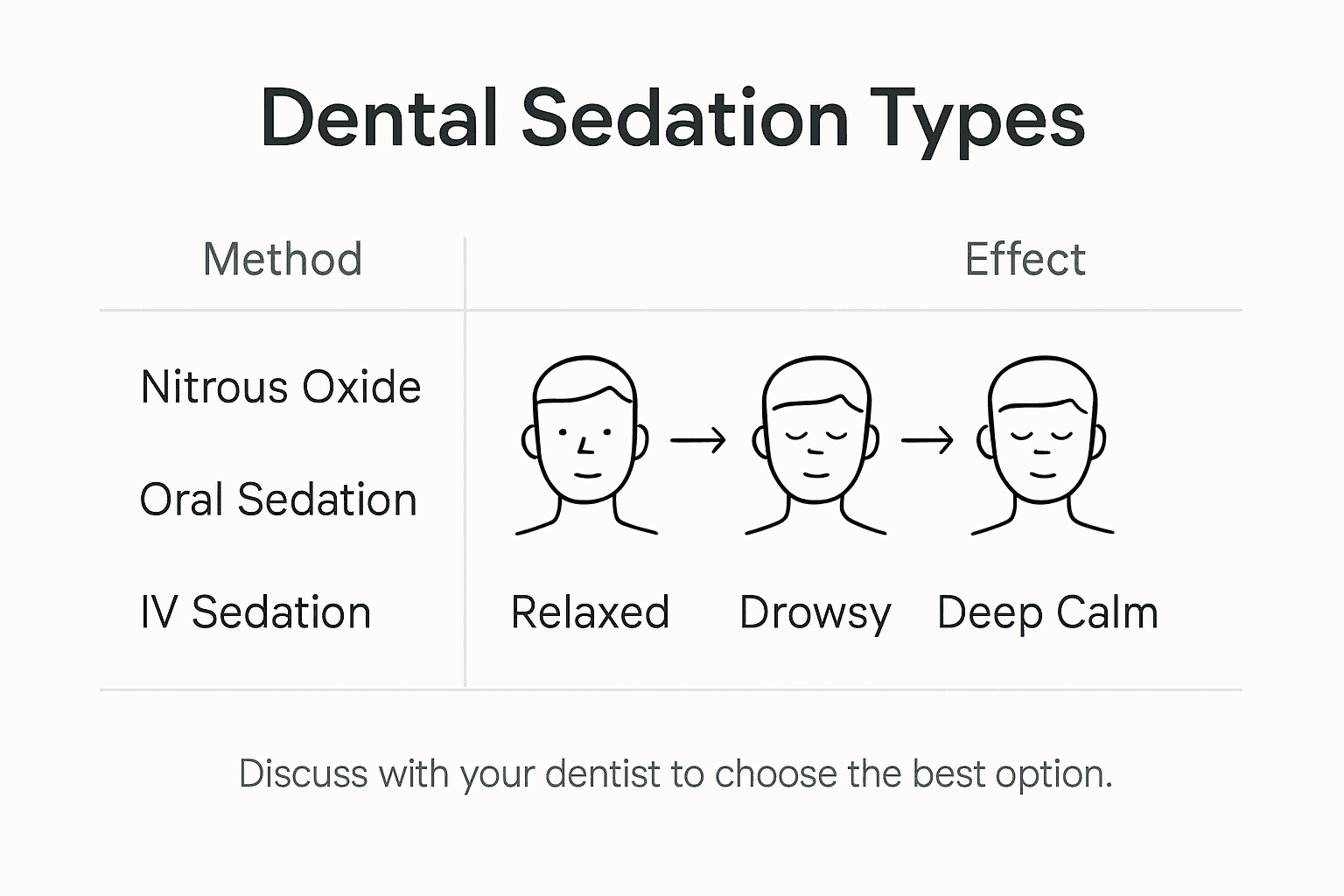
Here’s a summary comparing the three main sedation methods used in Australian dentistry:
| Sedation Type | Patient Awareness | Typical Use Cases | Monitoring Required |
|---|---|---|---|
| Nitrous Oxide | Fully conscious | Quick, minor procedures | Basic continuous observation |
| Oral Sedation | Drowsy, responsive | Moderate anxiety, longer treatments | Periodic vital checks |
| IV Sedation | Deeply relaxed, semi-awake | Major surgeries, implants | Advanced continuous monitoring |
Pro Tip: Discuss your medical history, current medications, and specific anxiety levels comprehensively with your dentist to determine the most appropriate sedation approach for your individual dental needs.
Who Sedation Dentistry Is Best For
Sedation dentistry offers specialised solutions for patients facing significant dental challenges, addressing a range of unique patient needs beyond traditional dental treatments. While not universally applicable, certain groups can particularly benefit from sedation approaches during dental procedures.
Patients with dental anxiety represent the primary candidates for sedation dentistry. Individuals who experience intense fear, panic attacks, or severe stress when visiting dental clinics can find substantial relief through carefully administered sedation techniques. This group includes people with past traumatic dental experiences, generalised anxiety disorders, or heightened sensitivity to medical environments.
Complex dental procedures also make sedation an ideal option. Patients requiring extensive treatments like full mouth reconstructions, multiple dental implants, or surgical interventions often benefit from sedation. These procedures typically involve longer chair times, more invasive techniques, and potentially uncomfortable positioning, making sedation an excellent strategy for maintaining patient comfort and cooperation.
Certain medical conditions can also make sedation dentistry particularly appropriate. Patients with special needs, movement disorders, severe gag reflexes, or those unable to remain still during treatments can significantly benefit from controlled sedation approaches. Additionally, individuals with complex medical histories or those taking multiple medications may find sedation helps manage potential complications during dental work.
Pro Tip: Always consult thoroughly with your dental professional about your complete medical history, current medications, and specific anxieties to determine the most suitable sedation approach for your individual circumstances.
Major Benefits for Implant and Oral Surgery Patients
Sedation dentistry transforms patient experiences during complex dental procedures, offering significant advantages for those undergoing implant and oral surgical treatments. By mitigating anxiety and enhancing patient comfort, sedation techniques provide comprehensive benefits that extend far beyond traditional pain management.
The primary advantage of sedation during implant procedures is psychological comfort. Patients with dental phobias or previous negative dental experiences can undergo treatments with dramatically reduced stress and emotional tension. This psychological relief allows dental professionals to perform precise, intricate work while patients remain calm and cooperative, minimising potential procedural complications caused by patient anxiety or involuntary movements.
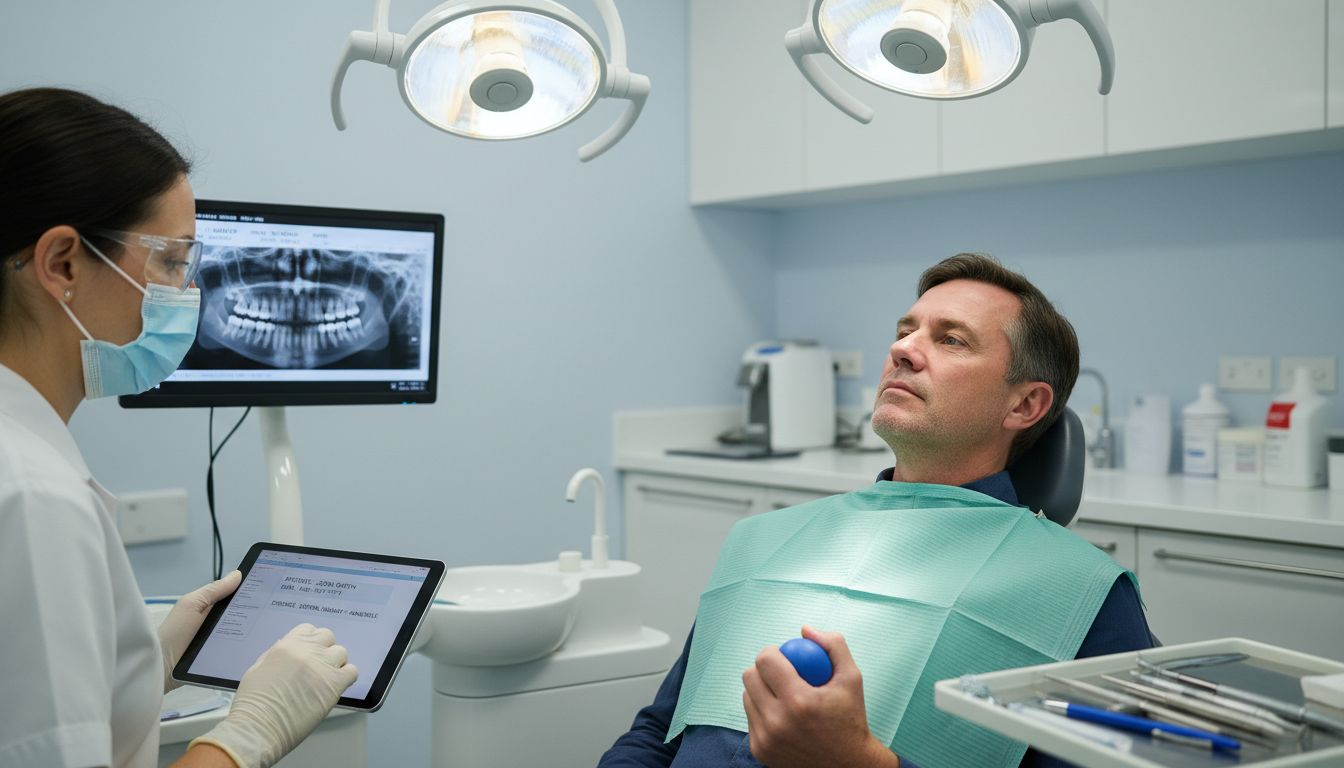
Physiological benefits are equally compelling for implant and oral surgery patients. Sedation techniques help manage pain perception, reduce muscle tension, and create an environment where patients can remain relaxed throughout complex surgical interventions. This controlled state enables dentists to work more efficiently, potentially shortening procedure times and improving overall treatment outcomes. Patients experience less physical strain, reduced post-surgical discomfort, and a more positive overall dental experience.
Additionally, sedation dentistry supports patients with complex medical histories or physical limitations. Individuals with conditions that make remaining still challenging, such as movement disorders or severe anxiety, can receive necessary dental treatments with greater ease and safety. The ability to maintain patient comfort while ensuring precise medical interventions makes sedation an invaluable tool in modern dental practice.
Pro Tip: Discuss your complete medical history, specific anxieties, and treatment goals comprehensively with your dental professional to design a personalised sedation approach tailored to your unique needs.
Safety, Risks and Regulatory Considerations
The Dental Board of Australia maintains rigorous regulatory standards for conscious sedation, ensuring patient safety remains paramount during dental procedures. These comprehensive guidelines establish critical protocols for training, patient assessment, and emergency management to protect patient wellbeing during sedation treatments.
Regulatory Requirements for sedation dentistry involve extensive professional endorsement and training. Dentists must complete approved certification programs demonstrating advanced competency in sedation techniques, patient monitoring, and emergency response. These stringent requirements ensure only highly qualified professionals can administer sedation, minimising potential risks and complications during dental interventions.
Procedural safety protocols in New South Wales emphasise comprehensive patient monitoring throughout sedation treatments. These protocols include detailed pre-procedure assessments, continuous intra-procedure monitoring, and structured post-procedure observation. Key risk management strategies focus on preventing potential respiratory and cardiovascular complications, with trained medical personnel prepared to respond immediately to any unexpected patient responses.
Potential risks associated with sedation dentistry include rare but serious complications such as allergic reactions, respiratory depression, and cardiovascular instability. While these risks are minimal when proper protocols are followed, patients with complex medical histories require thorough pre-treatment evaluations. Dental professionals conduct detailed medical screenings to identify and mitigate potential risks before initiating any sedation procedure.
Pro Tip: Request a comprehensive medical consultation and review your complete health history with your dental professional to ensure the safest possible sedation experience.
Comparing Sedation With Other Comfort Options
Dental comfort techniques range widely in their approach to managing patient anxiety, with sedation offering a more comprehensive solution compared to traditional methods. While local anaesthesia, distraction techniques, and topical numbing agents provide some relief, they often fall short of addressing deeper psychological barriers to dental treatment.
Local Anaesthesia provides physical pain management but does little to address the emotional components of dental fear. These targeted numbing agents prevent physical discomfort during procedures but cannot mitigate the underlying anxiety that makes many patients reluctant to seek dental care. In contrast, sedation dentistry offers a holistic approach, simultaneously addressing both physical sensations and psychological stress.
Distraction techniques like music, television, or guided meditation represent alternative comfort strategies. While these methods can help some patients, they lack the consistent, controlled relaxation that sedation provides. Sedation offers a more predictable and profound relaxation state, allowing patients with severe anxiety or complex medical histories to undergo necessary treatments with significantly reduced stress and discomfort.
Topical anaesthetics and surface-level numbing agents provide minimal comfort and are typically ineffective for invasive procedures like dental implants. These approaches cannot replicate the comprehensive anxiety management and deep relaxation achieved through professional sedation techniques. The ability to remain conscious yet deeply relaxed makes sedation a superior option for patients seeking a genuinely comfortable dental experience.
This table helps distinguish sedation from other comfort approaches in dental care:
| Technique | Pain Control Level | Anxiety Relief | Suitability for Surgical Procedures |
|---|---|---|---|
| Local Anaesthesia | High | Limited | Only for minor to moderate cases |
| Distraction Methods | Minimal | Mild to moderate | Rarely sufficient for surgery |
| Sedation Dentistry | Comprehensive | Significant | Ideal for complex, lengthy procedures |
Pro Tip: Discuss your specific anxiety levels and treatment requirements with your dental professional to determine the most appropriate comfort strategy for your individual needs.
Discover Stress-Free Dental Implants with Sedation at Paynless Dental
Struggling with dental anxiety or fearing complex implant procedures? You are not alone. The article highlights how sedation dentistry can ease your worries and allow you to receive implant treatments comfortably and safely. At Paynless Dental, we understand that managing anxiety is as important as the procedure itself. Our expert team uses advanced sedation methods tailored to your needs, helping you stay relaxed during treatments such as single tooth implants or full mouth reconstructions.
Take control of your dental care today and experience the benefits of sedation dentistry combined with premium implant services. Visit our Dental Implants page and explore options including All-on-4 and implant-supported dentures designed to restore your smile with ease. Ready to overcome your fears and get the smile you deserve? Book your consultation now at one of our convenient locations in Toongabbie or North Ryde. Learn more about how sedation can help you at Paynless Dental.
Frequently Asked Questions
What is sedation dentistry and how does it help during dental implants?
Sedation dentistry involves the use of medications to help patients relax during dental procedures like implants. It addresses anxiety and ensures comfort, allowing patients to remain conscious yet calm throughout the treatment.
Who can benefit from sedation dentistry for dental implants?
Patients with significant dental anxiety, those undergoing complex procedures like implants, or individuals with medical conditions that make remaining still difficult are ideal candidates for sedation dentistry.
What types of sedation are used during dental implant procedures?
Three main types of sedation are commonly used: nitrous oxide (laughing gas) for mild anxiety relief, oral sedation for moderate anxiety, and intravenous (IV) sedation for deeper relaxation during more extensive implant surgeries.
Is sedation dentistry safe, and what are the risks involved?
Sedation dentistry is generally safe when administered by trained professionals. However, potential risks include allergic reactions and respiratory complications. A thorough medical consultation is essential to ensure patient safety before sedation.
Recommended
- A Comprehensive Guide to Dental Implants: Types, Procedure, and Aftercare – Paynless Dental Clinic
- Sleep Dentistry: Comfort-Focused Dental Care in Sydney | Paynless
- Affordable Dental Implants at Paynless Dental Clinic
- How to Calm Dental Anxiety Naturally Step by Step | Paynless
- Come funziona la sedazione cosciente: spiegazione semplice – dentalnetcare.it