
Anxiety keeps almost one in six Australian adults from getting the dental care they need every year. This makes everyday treatments feel out of reach for many people facing real discomfort or fear. Sleep dentistry offers a path forward that helps patients relax and finally receive essential dental work with confidence. Discover how innovative sedation methods are transforming the way Australians approach complex procedures and long-standing dental anxiety.
Table of Contents
- What Is Sleep Dentistry and Who Needs It
- Types of Sedation Used in Dentistry
- How Sleep Dentistry Procedures Work
- Eligibility and Safety Regulations in Australia
- Risks, Costs, and Alternative Options
Key Takeaways
| Point | Details |
|---|---|
| What is Sleep Dentistry? | Sleep dentistry provides a relaxed, sedated state for patients with dental anxiety, allowing them to receive necessary treatments without stress. |
| Types of Sedation Available | Sedation methods range from minimal oral sedation to general anaesthesia, each tailored to meet individual patient needs and comfort levels. |
| Patient Safety Protocols | Strict regulations ensure patient safety during sleep dentistry, including professional accreditation, continuous monitoring, and pre-sedation assessments. |
| Cost and Alternative Options | The costs of sleep dentistry vary based on the procedure and sedation depth, and alternatives such as local anaesthetic and anxiety management therapies are available. |
What Is Sleep Dentistry and Who Needs It
Sleep dentistry represents a specialised dental approach designed to help patients overcome anxiety and receive essential dental treatments while in a relaxed, sedated state. This innovative method allows individuals who experience significant dental phobia or have complex procedural requirements to access high-quality dental care without experiencing overwhelming stress or discomfort.
At Paynless Dental, our sleep dentistry services are tailored to address the unique needs of patients who might otherwise avoid critical dental treatments. These services are particularly beneficial for individuals with:
- Severe dental anxiety or phobias
- Low pain thresholds
- Sensitive gag reflexes
- Complex dental procedures requiring extended treatment times
- Special healthcare requirements
- Difficulty achieving numbness with standard local anaesthetics
The sedation techniques used in sleep dentistry range from mild oral sedation to more comprehensive intravenous sedation, ensuring each patient receives personalised care matched to their specific comfort level and medical profile. Sleep apnea challenges can also be effectively managed through these targeted approaches, providing comprehensive solutions for patients with complex dental and respiratory considerations.
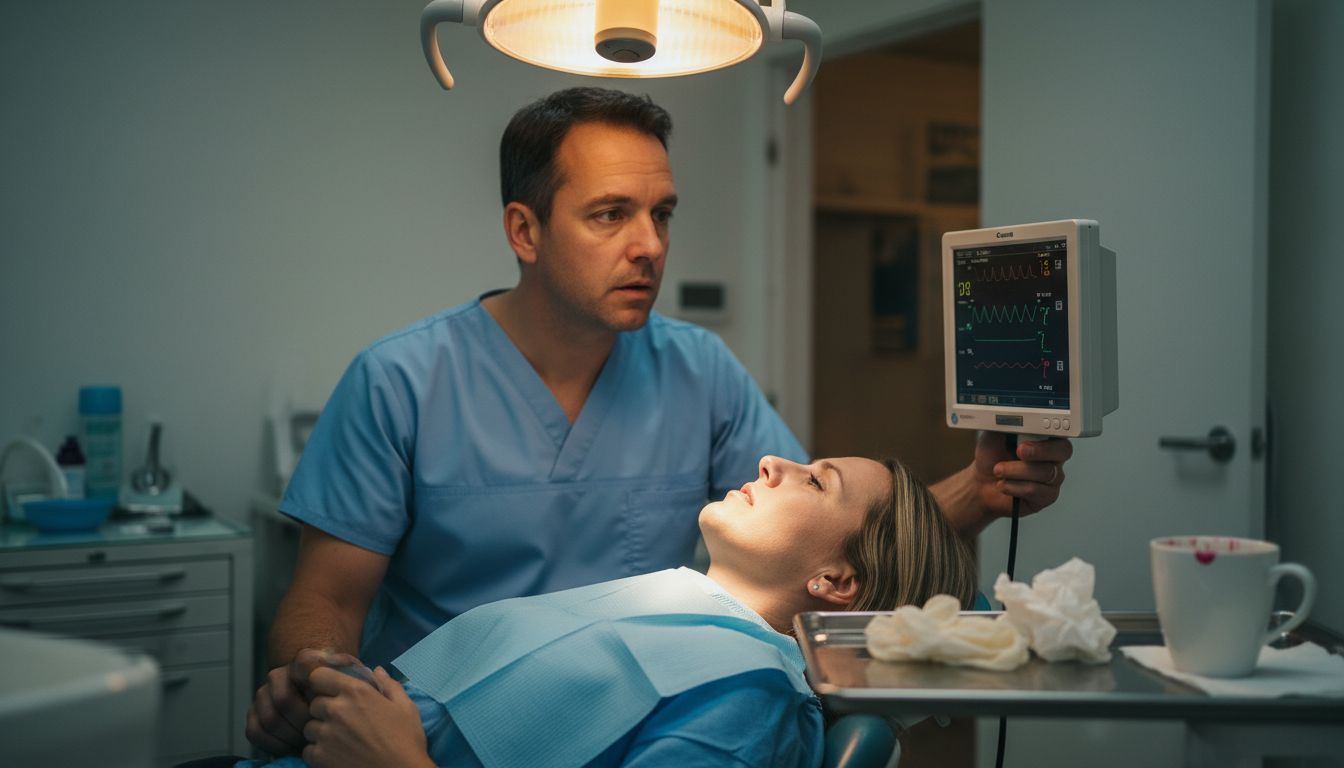
While sleep dentistry might sound intimidating, the process is carefully monitored by trained professionals who prioritise patient safety and comfort. Patients are continuously assessed throughout the procedure, with vital signs tracked to ensure optimal wellbeing. By creating a calm, controlled environment, sleep dentistry transforms potentially stressful dental experiences into manageable, comfortable treatment sessions that support long-term oral health and patient wellbeing.
Types of Sedation Used in Dentistry
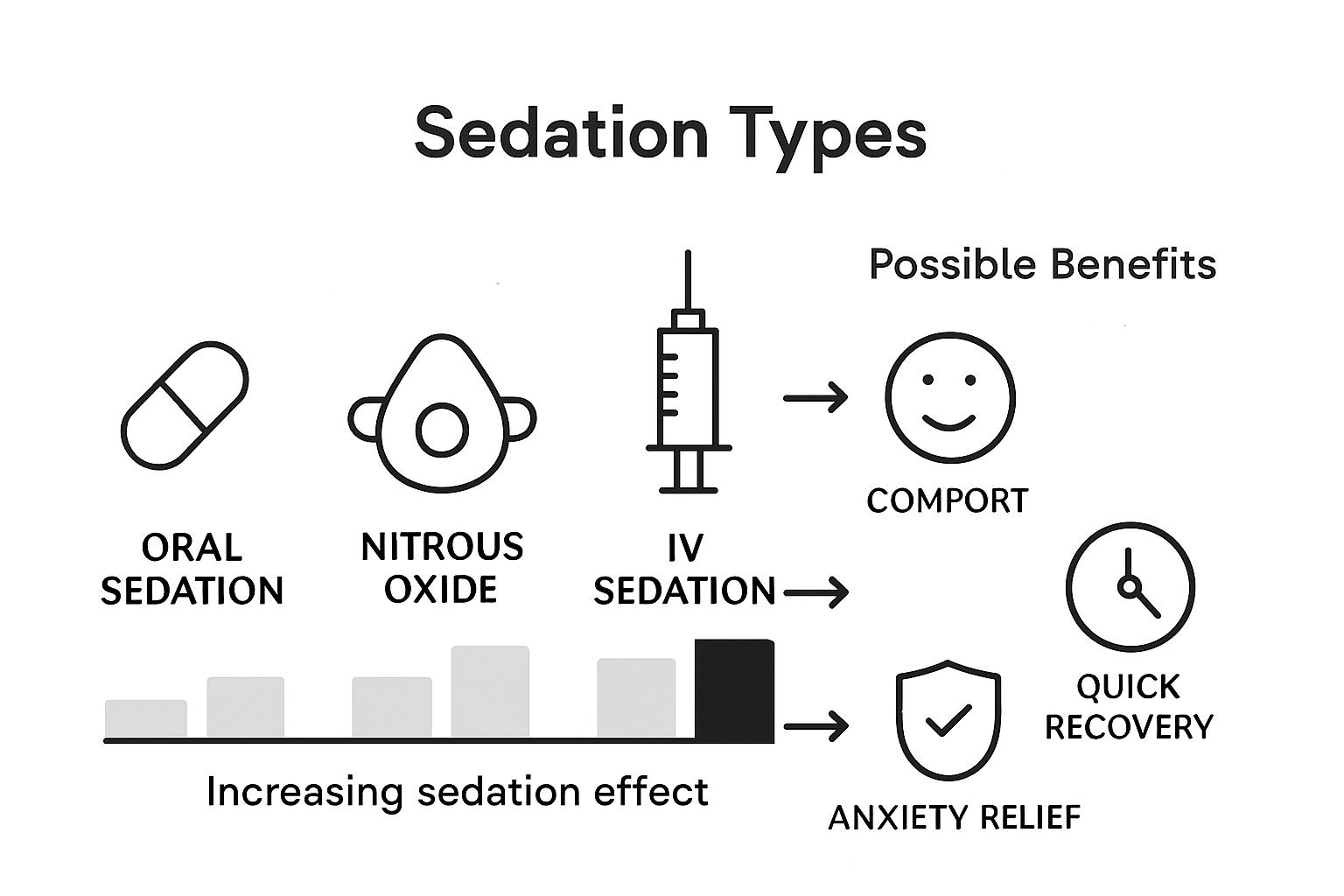
Dental sedation encompasses multiple approaches designed to help patients manage anxiety and discomfort during dental procedures. At Paynless Dental, we offer a comprehensive range of sedation techniques tailored to individual patient needs and medical requirements.
The primary types of sedation available in modern dentistry include:
- Minimal Oral Sedation
- Administered through oral medication
- Keeps patient fully conscious but relaxed
- Ideal for patients with mild anxiety
- Quick recovery time
- Nitrous Oxide Sedation
- Also known as “laughing gas”
- Inhaled through a small mask
- Provides immediate relaxation
- Wears off quickly after procedure
- Intravenous (IV) Sedation
- Delivered directly into bloodstream
- Produces deeper level of sedation
- Patients remain responsive but deeply relaxed
- Highly monitored by professional anaesthetists
- General Anaesthesia
- Complete unconsciousness
- Used for extensive surgical procedures
- Requires specialised medical supervision
When selecting an appropriate sedation method, our dental professionals conduct thorough medical assessments to determine the most suitable approach. Factors like medical history, anxiety levels, and specific procedural requirements are carefully evaluated to ensure patient safety and optimal comfort.
Each sedation technique offers unique benefits, allowing patients with varying levels of dental anxiety or complex medical conditions to receive necessary treatments. Our clinicians are extensively trained in administering these techniques, ensuring a comfortable and stress-free dental experience that prioritises both patient wellbeing and comprehensive oral healthcare.
How Sleep Dentistry Procedures Work
Sleep dentistry is a meticulously structured process designed to ensure patient comfort and safety during dental treatments. The procedure begins with a comprehensive preliminary consultation, where our dental professionals conduct an in-depth assessment of the patient’s medical history, anxiety levels, and specific treatment requirements.
The typical sleep dentistry workflow involves several critical stages:
- Pre-Procedure Assessment
- Detailed medical history review
- Evaluation of current health status
- Discussion of sedation options
- Personalised sedation plan development
- Sedation Administration
- Patient prepared in comfortable treatment area
- Appropriate sedation method selected
- Vital signs continuously monitored
- Anaesthetist or trained professional administers sedation
- Dental Treatment
- Procedure performed while patient is sedated
- Precise and efficient treatment execution
- Minimised patient stress and discomfort
- Real-time medical monitoring
- Recovery and Post-Procedure Care
- Gradual sedation reduction
- Supervised recovery period
- Comprehensive post-treatment instructions
- Follow-up consultation scheduled
Patients requiring complex dental interventions can benefit from comprehensive dental implant procedures, which can be seamlessly integrated with sleep dentistry techniques. This approach ensures that even intricate treatments can be performed with maximum patient comfort and minimal stress.
At Paynless Dental, our sleep dentistry protocols prioritise patient safety, comfort, and clinical excellence. By combining advanced sedation techniques with expert dental care, we transform potentially challenging dental experiences into smooth, stress-free medical interventions that support long-term oral health and patient wellbeing.
Eligibility and Safety Regulations in Australia
Sleep dentistry in Australia is governed by stringent safety regulations designed to protect patient wellbeing and ensure the highest standards of medical care. Dental professionals must undergo specific training and certification to provide sedation services, with comprehensive oversight from national regulatory bodies.
Key eligibility criteria for sleep dentistry patients include:
- Medical history without high-risk contraindications
- Body mass index within acceptable ranges
- No severe respiratory or cardiovascular complications
- Age restrictions (typically 18 years and older)
- Ability to provide informed consent
- No recent history of adverse sedation reactions
The regulatory framework for sleep dentistry involves multiple layers of protection:
- Professional Accreditation
- Mandatory certification from Australian Health Practitioner Regulation Agency (AHPRA)
- Ongoing professional development requirements
- Strict compliance with national dental sedation standards
- Patient Safety Protocols
- Comprehensive pre-sedation medical screening
- Advanced monitoring equipment
- Continuous vital signs tracking
- Emergency medical intervention preparedness
- Equipment and Facility Standards
- Specialised sedation-capable treatment rooms
- State-of-the-art medical monitoring systems
- Emergency resuscitation equipment on-site
- Sterile and controlled medical environments
At Paynless Dental, we meticulously adhere to these regulatory requirements, ensuring that every sleep dentistry procedure meets the highest national safety standards. Our commitment extends beyond mere compliance, focusing on patient comfort, medical excellence, and comprehensive care that prioritises individual health needs and safety considerations.
Risks, Costs, and Alternative Options
Sleep dentistry represents a sophisticated medical approach with comprehensive considerations for patient safety, financial investment, and treatment alternatives. Understanding the nuanced landscape of sedation dentistry requires a holistic evaluation of potential risks, associated costs, and available alternative management strategies.
Potential risks associated with dental sedation include:
Mild side effects
- Temporary drowsiness
- Slight nausea
- Mild headache
- Temporary disorientation
Rare but serious complications
- Allergic reactions
- Respiratory difficulties
- Cardiovascular responses
- Potential medication interactions
Cost considerations for sleep dentistry vary based on multiple factors:
- Sedation Level Pricing
- Minimal sedation: Lower cost range
- Moderate sedation: Mid-tier pricing
- Deep sedation: Higher investment
- General anaesthesia: Most expensive option
- Additional Cost Factors
- Complexity of dental procedure
- Duration of treatment
- Patient’s medical complexity
- Required monitoring equipment
Patients seeking alternatives to sleep dentistry might consider:
- Local anaesthetic techniques
- Conscious sedation methods
- Psychological preparation strategies
- Anxiety management therapies
For patients exploring financial options, early release of superannuation for dental work can provide additional support for managing treatment expenses. This approach offers flexibility for individuals requiring comprehensive dental interventions.
At Paynless Dental, we prioritise transparent communication about potential risks, comprehensive cost breakdowns, and alternative treatment pathways. Our commitment extends beyond procedural excellence to ensuring patients make informed decisions aligned with their individual healthcare needs, financial circumstances, and personal comfort levels.
Experience Comfortable Dental Care with Paynless Dental’s Sleep Dentistry Solutions
Struggling with dental anxiety or complex procedures that require extended treatment time can make visiting the dentist a daunting experience. Sleep dentistry offers a tailored approach using sedation techniques such as intravenous sedation that help patients remain calm and relaxed while receiving critical care. At Paynless Dental, we understand these challenges and provide expert sedation options alongside our advanced services including Dental Implants, Oral Surgery, and comprehensive restorative treatments.
Choosing Paynless Dental means accessing premium care delivered in a safe, monitored environment across our convenient clinics in Toongabbie and North Ryde. If fear or discomfort has kept you from pursuing essential dental treatment consider sleep dentistry to transform your experience. Take the first step toward stress-free dental care by visiting Paynless Dental today to arrange your personalised consultation and discover how we can make your comfort a priority.
Frequently Asked Questions
What is sleep dentistry?
Sleep dentistry is a specialised dental approach that uses sedation techniques to help patients manage anxiety and discomfort during dental treatments, allowing them to receive necessary care while in a relaxed state.
Who can benefit from sleep dentistry?
Sleep dentistry is particularly beneficial for individuals with severe dental anxiety, low pain thresholds, sensitive gag reflexes, complex dental procedures, special healthcare requirements, or difficulty with standard local anaesthetics.
What types of sedation are used in sleep dentistry?
Common sedation methods include minimal oral sedation, nitrous oxide sedation (laughing gas), intravenous (IV) sedation, and general anaesthesia, allowing dental professionals to tailor the approach to each patient’s specific needs and comfort levels.
What are the risks and costs associated with sleep dentistry?
While sleep dentistry is generally safe, potential risks include mild side effects like drowsiness and nausea, or rare complications such as allergic reactions. Costs vary based on the sedation method, the complexity of the procedure, and patient medical needs.
Recommended
- Toongabbie Dentist Clinic – Paynless Dental Clinic
- How to Calm Dental Anxiety Naturally Step by Step | Paynless
- Dentist North Ryde, Toongabbie for Children & Family Dentist
- Trusted Toongabbie Dentist for All Your Dental Care Needs – Paynless Dental Clinic
- Tattoo Sitzung schmerzfrei gestalten: So geht’s richtig – Dermacain