
Over one in six adults skip regular dental visits due to anxiety or fear. If the thought of sitting in the dentist’s chair makes your heart race, you’re not alone. Dental anxiety can impact everything from your daily comfort to your long-term health. By understanding the factors behind your stress and discovering effective coping methods, you can take control and finally approach dental appointments with greater confidence and calm.
Quick Summary
| Key Point | Explanation |
|---|---|
| 1. Identify Your Anxiety Triggers | Self-reflect on previous dental experiences to pinpoint specific triggers, such as sounds or sensations, that cause anxiety. |
| 2. Communicate Openly with Your Dental Team | Sharing your fears and past experiences creates a supportive environment; prepare a script to express your concerns clearly. |
| 3. Practice Calming Techniques | Engage in deep breathing, mindfulness, or progressive muscle relaxation to manage anxiety before and during appointments. |
| 4. Utilize Comfort Aids and Technology | Request modern resources like noise-cancelling headphones or sedation options to enhance your comfort during visits. |
| 5. Review Your Progress | Track your experiences and celebrate victories after each visit to build confidence and improve future interactions with dental care. |
Table of Contents
- Step 1: Identify Your Personal Anxiety Triggers
- Step 2: Communicate Your Concerns With Your Dental Team
- Step 3: Practice Calming Techniques Before Your Appointment
- Step 4: Utilize Comfort Aids And Advanced Technology During Visits
- Step 5: Review Your Progress For Future Confidence
Step 1: Identify your personal anxiety triggers
Discovering what specifically triggers your dental anxiety will help you develop targeted strategies to manage your fears. This step is about understanding your unique emotional landscape around dental experiences.
Start by creating a quiet moment for honest self reflection. Consider your past dental encounters and notice what memories or sensations create tension in your body. According to research from Better Health Victoria, dental anxiety can stem from multiple sources including fear of medical equipment, previous traumatic experiences, or psychological conditions.
Your triggers might include specific sounds like dental drills, the sight of needles, feeling a loss of personal control, or memories of past uncomfortable procedures. Some people experience anxiety from the clinical environment itself the sterile smells, bright lights, or unfamiliar medical equipment.
Pro Tip: Write down your specific triggers. Naming them takes away some of their power and helps you communicate clearly with your dental professional.
Pay attention to physical reactions when thinking about dental visits. Do you feel your heart racing? Sweaty palms? Muscle tension? These are important signals that can help you pinpoint precise anxiety sources. Understanding these responses allows you to develop targeted coping mechanisms.
Remember that recognising your triggers is not about judging yourself but about gaining self awareness. Your feelings are valid, and identifying them is the first courageous step towards managing dental anxiety effectively.
In the next step, we will explore practical techniques to help you work through these identified triggers and build confidence for your dental visit.
Step 2: Communicate your concerns with your dental team
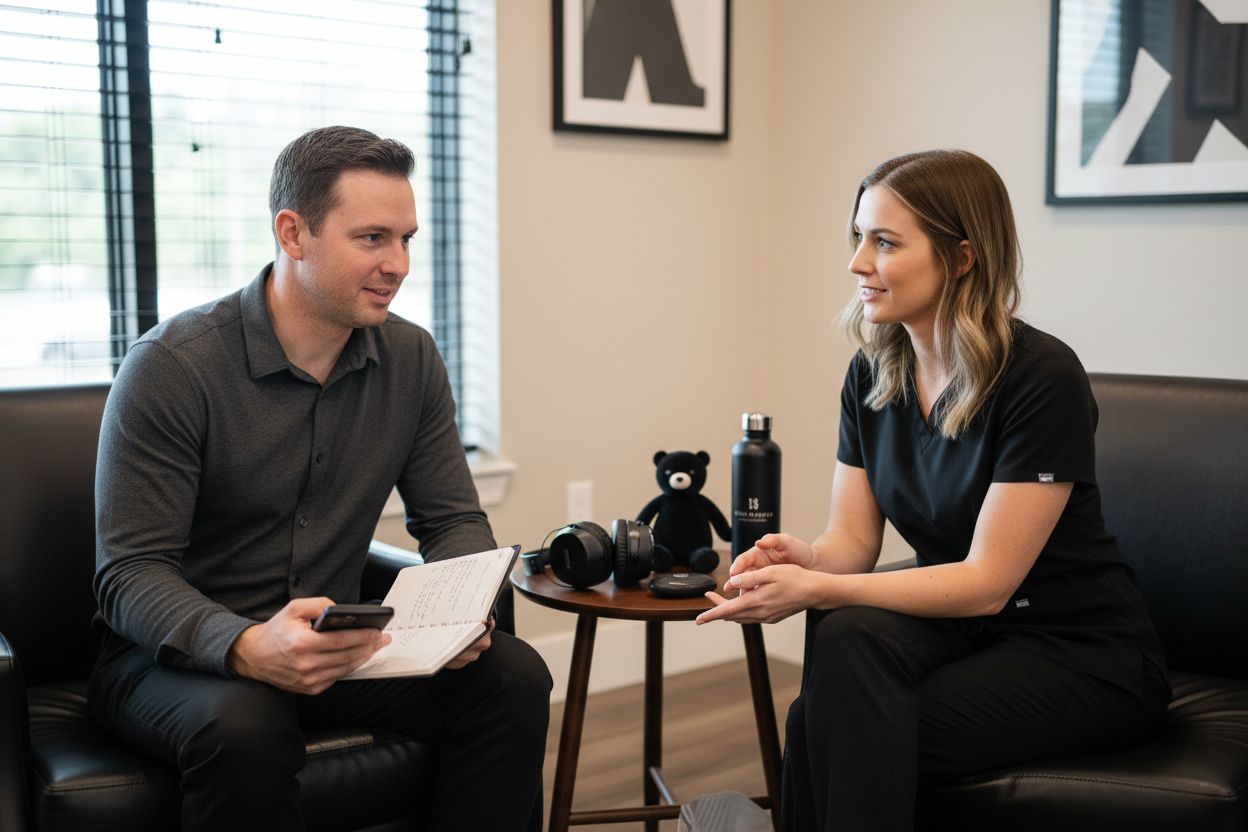
Building an open and trusting relationship with your dental team is crucial for managing anxiety and ensuring a comfortable experience. This step focuses on transforming your communication from apprehensive to collaborative.
According to research from the Dental Foundation of Australia, openly sharing your fears and past experiences helps create a supportive environment. When booking your appointment, mention your dental anxiety upfront. Choose a moment when you feel calm and can speak clearly about your concerns.
Start by preparing a simple script in advance. You might say something like “I experience significant anxiety about dental procedures and would appreciate your help in making me feel comfortable.” Be specific about your past experiences. Did a previous procedure feel overwhelming? Are you nervous about specific instruments or sounds?
Pro Tip: Request a preliminary consultation where you can discuss your concerns without immediate treatment. This allows you to build rapport with your dental professional.
Research from Epsom Dental Care emphasises the importance of establishing clear communication signals. Discuss a hand signal or word that means “pause” or “I need a break” during the procedure. This gives you a sense of control and helps your dental team understand your comfort levels in real time.
Do not hesitate to ask questions about pain management options. Modern dentistry offers numerous techniques to minimise discomfort. A compassionate dental team will welcome your questions and work to create a personalised approach that addresses your specific anxieties.
Remember that professional dental teams are trained to support patients with anxiety. They want you to feel safe and comfortable. Your willingness to communicate openly is a powerful step towards overcoming dental fear.
In our next section, we will explore specific relaxation techniques you can use before and during your dental visit to further manage your anxiety.
Step 3: Practice calming techniques before your appointment
Preparing your mind and body with effective relaxation techniques can transform your dental visit from a stressful experience to a manageable one. This step is about building your personal toolkit of calming strategies that help you feel more in control.
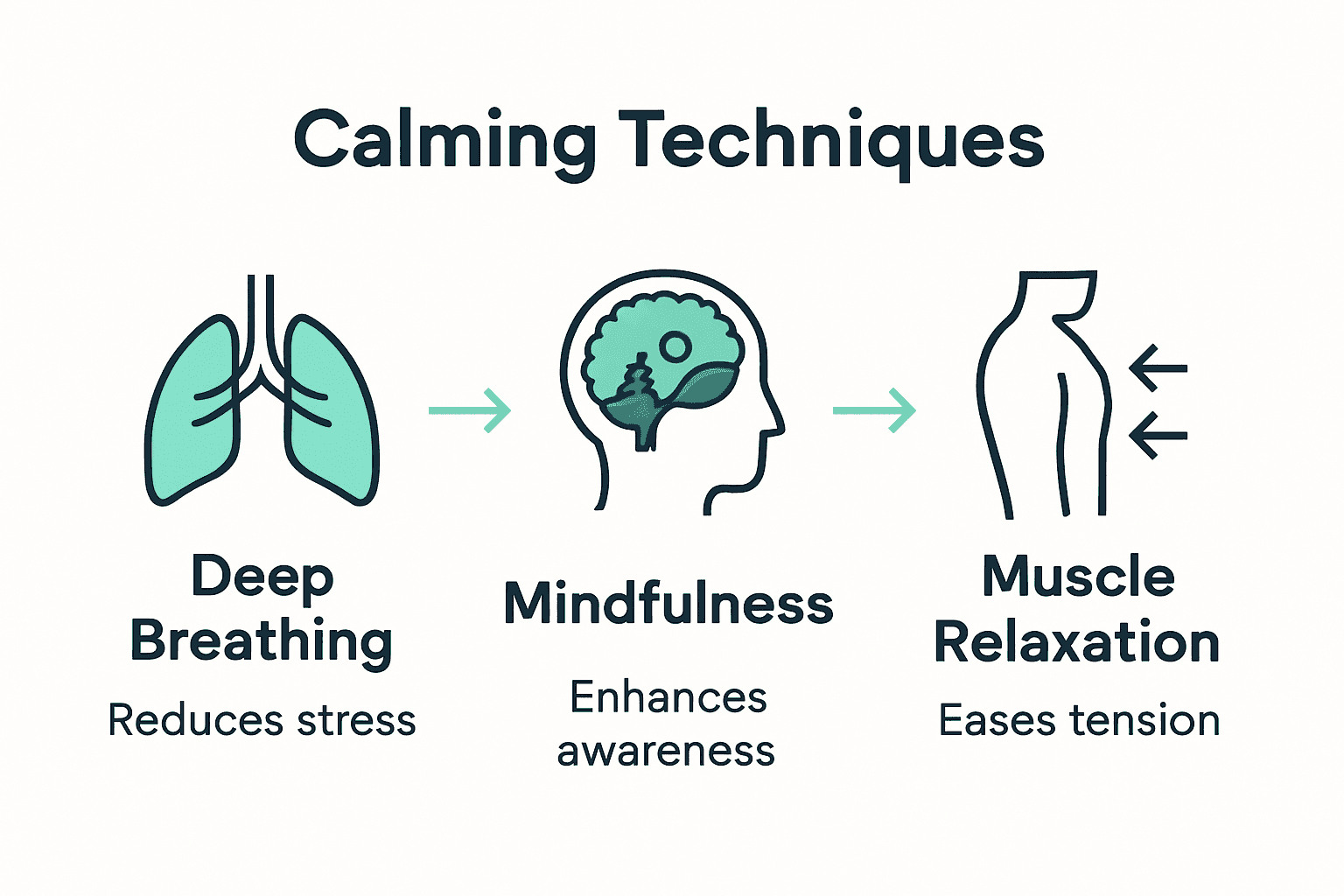
According to Better Health Victoria, several psychological coping techniques can significantly reduce dental anxiety. Deep breathing stands out as a powerful first strategy. Before your appointment practice slow inhales through your nose for four counts and exhales through your mouth for six counts. This technique signals your nervous system to shift from fight or flight mode to a more relaxed state.
Research from the Dental Foundation of Australia suggests incorporating mindfulness and guided imagery. Find a quiet space and imagine yourself in a peaceful setting like a calm beach or serene garden. Focus on sensory details the warmth of sunlight the gentle sound of waves. This mental visualization can help reduce stress and create a sense of emotional safety.
Pro Tip: Create a personalised relaxation playlist with calming music or meditation tracks to listen to before and potentially during your dental appointment.
Progressive muscle relaxation is another effective technique. Starting from your toes and moving upward systematically tense and then release each muscle group. This practice helps you become aware of physical tension and consciously release it. Spend about 10 to 15 minutes practicing this method in the days leading up to your appointment.
Consider bringing comfort items that support your relaxation. This might be noise cancelling headphones to listen to soothing music noise reduction earplugs or a small stress relief object you can hold. Some patients find wearing comfortable clothing and arriving slightly early helps them feel more prepared and less rushed.
Remember that practicing these techniques consistently is key. The more familiar you become with your chosen relaxation methods the more effectively you can deploy them when feeling anxious. Your brain learns to associate these techniques with calm and safety.
In our next section we will explore additional strategies for managing anxiety during your actual dental procedure.
Here’s a summary of calming techniques and comfort aids for dental anxiety:
| Method | How It Helps | Example/Tip |
|---|---|---|
| Deep Breathing | Slows heart rate | Inhale 4, exhale 6 counts |
| Mindfulness/Imagery | Diverts focus | Visualise calm beach or garden |
| Muscle Relaxation | Releases body tension | Tense and relax each muscle group |
| Calming Music | Eases nerves | Create a personal playlist |
| Noise Cancelling Devices | Reduces unpleasant sounds | Use headphones or earplugs |
| Personal Comfort Items | Boosts comfort | Blanket Neck pillow Stress ball |
| Digital Technology | Minimises discomfort | Intraoral scanner for impressions |
| Sedation Options | Lowers anxiety level | Ask about nitrous oxide |
Step 4: Utilize comfort aids and advanced technology during visits
Modern dental practices offer numerous technological and comfort solutions designed to transform your experience from anxiety-inducing to surprisingly pleasant. This step explores the innovative ways you can make your dental visit more comfortable and less stressful.
According to research from Care for Smiles, Australian dental practices are increasingly equipped with advanced comfort aids. When booking your appointment ask about available distraction techniques. Many clinics now offer ceiling mounted TVs noise cancelling headphones or even virtual reality headsets that can dramatically reduce your perception of stress and discomfort.
Advanced digital technologies are revolutionizing patient comfort. Wikipedia research highlights how digital intraoral scanners have replaced traditional messy impression techniques. These modern scanners create precise 3D images quickly and silently reducing the invasive feeling of older dental procedures. This means less time with uncomfortable tools in your mouth and more precision in treatment.
Pro Tip: Request a tour of the technology before your procedure. Familiarising yourself with the equipment can help demystify the process and reduce anxiety.
Consider discussing sedation options with your dental professional. Depending on your anxiety level they might recommend nitrous oxide (laughing gas) or other mild sedation techniques that can help you feel more relaxed during the procedure. Some patients find these options significantly reduce their overall stress.
Bring personal comfort items that can enhance your experience. Noise reduction earplugs soft blankets or a supportive neck pillow can create a more controlled and comfortable environment. Many dental professionals are happy to accommodate small requests that help you feel more at ease.
Remember that communicating your comfort needs is key. A patient centered dental practice will be eager to help you feel supported and relaxed. Modern dental technology is designed not just for medical precision but also for patient comfort and emotional wellbeing.
In our next section we will discuss strategies for post appointment recovery and maintaining a positive mindset about dental care.
Step 5: Review your progress for future confidence
Reflecting on your dental journey is a powerful way to build long term confidence and transform your relationship with dental care. This step focuses on understanding your growth and celebrating the progress you have made in managing dental anxiety.
Research from Australian Dental Foundation highlights the importance of building trust through positive interactions with dental professionals. After each appointment take a moment to acknowledge your personal achievements no matter how small. Did you communicate your concerns? Use your breathing techniques? Stay calm during a procedure? These are significant victories.
Keep a simple journal or digital note tracking your dental experiences. Document what strategies worked well what feelings you experienced and any positive moments during your visit. This practice helps you recognize your progress and provides valuable insights for future appointments.
Pro Tip: Create a reward system for yourself. Plan a small treat or enjoyable activity after each dental visit to reinforce positive associations.
Longitudinal research published in PubMed indicates that improving satisfaction with dental care encourages more regular appointments. Reflect on each visit objectively. What made you feel comfortable? What could be improved? Discuss these observations with your dental team to continually refine your experience.
Consider scheduling shorter follow up appointments or routine check ups to gradually build your confidence. Starting with less invasive procedures can help you develop trust in your dental team and your own ability to manage anxiety.
Remember that overcoming dental anxiety is a journey not a destination. Each appointment is an opportunity for growth. Your willingness to face your fears and develop coping strategies is itself a remarkable achievement.
Congratulations on taking these important steps towards managing your dental anxiety and prioritizing your oral health.
Take Control of Your Dental Anxiety with Trusted Care in Sydney
If you recognise yourself in the challenges described above, you are not alone. Dental anxiety stops many Australians from seeking the care they need and can make essential treatments like dental implants, root canals, or even routine check-ups feel overwhelming. Managing your triggers, improving communication, and using calming techniques are powerful first steps, but the right support makes all the difference.
At Paynless Dental, we combine advanced technology with a deep understanding of anxiety to create a truly calm and comfortable experience. Whether you are considering dental implants for a confident new smile or just want a gentle, pain-free check-up, our expert team welcomes every question and concern without judgement. Visit us at Paynless Dental to discover how our Sydney clinics in Toongabbie and North Ryde are transforming dental care for anxious patients just like you. Book your first appointment today and experience oral health without anxiety holding you back.
Frequently Asked Questions
How can I identify my personal triggers for dental anxiety?
Recognizing your dental anxiety triggers starts with self-reflection. Create a quiet moment to think about past dental experiences that caused you stress or discomfort, and write these triggers down to help you communicate them to your dental team.
What are some effective calming techniques I can use before my dental appointment?
Deep breathing exercises are a powerful method to reduce anxiety. Practice inhaling through your nose for four counts and exhaling through your mouth for six counts, doing this for a few minutes before your appointment to calm your nerves.
How can I effectively communicate my dental anxiety to my dental team?
Prepare a simple script to express your anxiety when you book your appointment, such as stating your previous discomfort with dental procedures. This approach allows your dental team to tailor their care to make you feel more comfortable during your visit.
What comfort aids can I bring to my dental appointment?
Consider bringing items like noise-cancelling headphones or a stress relief object to enhance your comfort. Arriving early with these items can help you settle in and feel less rushed before your procedure.
How can I review my progress after each dental appointment?
After your appointment, take a moment to reflect on what strategies worked well and how you felt. Keeping a journal of your experiences helps you track your growth over time and reinforces positive associations with dental visits.
What small rewards can I give myself after overcoming dental anxiety?
Create a reward system for yourself after each dental visit to reinforce your achievements. Plan enjoyable activities or small treats, like treating yourself to your favorite snack or a relaxing evening, to celebrate your progress in managing dental anxiety.