
Many parents assume any dentist can treat children effectively, but specialised pediatric dentists bring critical skills that transform dental visits from stressful ordeals into positive experiences. These specialists use evidence-based behavioural guidance, advanced pain management, and child-centred communication to reduce anxiety and build lifelong healthy habits. If you’re searching for a pediatric dentist in Western Sydney, understanding what sets expert care apart helps you choose a provider who prioritises your child’s comfort and long-term oral health.
Table of Contents
- Key takeaways
- Why specialised pediatric dental care matters for your child
- Advanced technology and comfort-focused treatments near Western Sydney
- Choosing your pediatric dentist: practical tips and clinic comparisons
- Long-term oral health and ongoing care: building a dental home
- Explore gentle and advanced pediatric dental care at Paynless Dental
- Frequently asked questions
Key Takeaways
| Point | Details |
|---|---|
| Specialised pediatric care | Specialised pediatric dentists use evidence based behavioural guidance and child centred communication to reduce anxiety and build lifelong healthy habits. |
| Behaviour guidance benefits | The strategic structured collaborative technique combines evidence based guidance with child centred care to help anxious children cooperate during procedures. |
| Digital x rays | Digital x rays emit up to eighty percent less radiation than traditional film while providing instant images for quicker diagnosis. |
| Parental involvement | Parental involvement coaches parents on supportive language and distraction techniques to reinforce calm responses and better treatment outcomes. |
| Regular visits | Regular dental visits help maintain ongoing oral health and enable early detection of problems. |
Why specialised pediatric dental care matters for your child
Children experience dental visits differently than adults. Their developing emotions, limited understanding of medical procedures, and natural fear of unfamiliar environments require dentists trained specifically in pediatric care. General dentists may have technical skills, but pediatric specialists complete additional years of training focused on child psychology, growth patterns, and age-appropriate communication.
The Strategic Structured Collaborative Technique integrates evidence-based behaviour guidance with child-centred care for behavioural challenges in pediatric dentistry. This approach helps anxious children cooperate during procedures without force or distress. Specialists using SSCT create structured environments where children feel safe, parents stay involved, and treatments proceed smoothly.
Pediatric dentists understand developmental milestones that affect oral health. A five-year-old losing baby teeth needs different guidance than a teenager requiring orthodontic evaluation. Specialists tailor prevention strategies, dietary advice, and treatment timing to each child’s growth stage. This personalised approach prevents problems before they start and addresses issues at optimal intervention points.
Parental involvement makes enormous difference in treatment success. When dentists explain procedures in simple terms and invite parents to participate, children mirror their caregivers’ calm responses. Specialists coach parents on supportive language, distraction techniques, and post-visit reinforcement that builds positive associations with dental care.
Key benefits of specialised pediatric care:
- Trained behavioural guidance reduces fear and builds cooperation
- Age-appropriate communication helps children understand and accept treatment
- Developmental expertise ensures timing of interventions matches growth patterns
- Parent coaching creates supportive home environments for oral health
- Long-term relationship building establishes trust that lasts into adulthood
Pro Tip: Schedule your child’s first visit in the morning when they’re well-rested and less likely to feel overwhelmed. Avoid using words like “pain” or “hurt” beforehand, which can calm dental anxiety naturally by setting positive expectations.
Advanced technology and comfort-focused treatments near Western Sydney
Modern pediatric dentistry uses technology that dramatically improves comfort and safety. Digital x-rays emit up to 80% less radiation than traditional film while providing instant, detailed images dentists can enlarge and analyse immediately. This speed means less time in the chair and faster diagnosis of cavities, alignment issues, or developmental concerns.
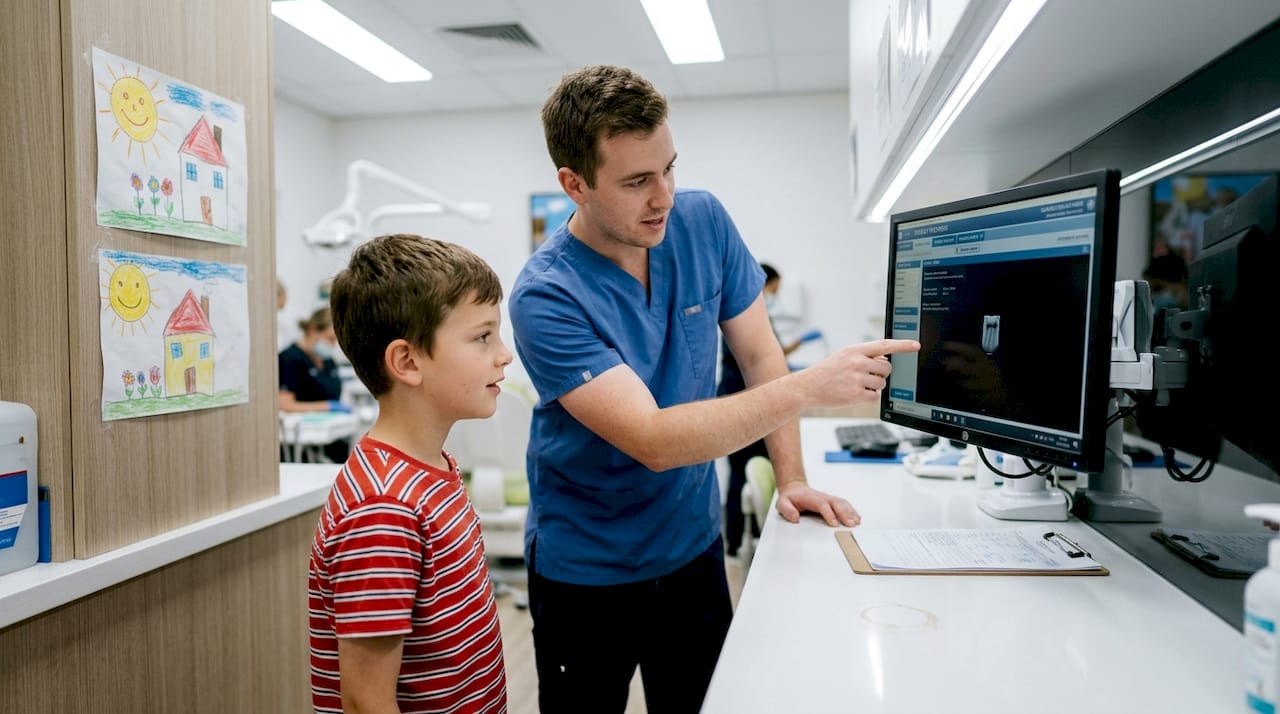
Pain management has evolved beyond standard injections that frighten children. Buccal infiltration with 4% articaine provides superior pain control compared to traditional lidocaine, working faster and lasting longer with fewer injections. Topical anaesthetic gels numb gum tissue before any needle touches skin, eliminating the sharp sensation children fear most.
Western Sydney clinics increasingly offer family-friendly environments designed specifically for children. Paynless Dental in Parramatta uses digital x-rays, topical gels, and offers multilingual family support for comfortable child dental care. These clinics understand that cultural sensitivity and language accessibility help immigrant families feel welcome and understood, reducing stress for both parents and children.
Comfort technologies available locally:
- Digital x-rays for safer, faster imaging with minimal radiation
- Topical anaesthetic gels that eliminate injection pain
- Articaine-based anaesthetics for superior numbness and comfort
- Intraoral cameras that show children exactly what dentists see
- Nitrous oxide sedation for anxious patients needing extra relaxation
Pro Tip: Ask your paediatric dentist Parramatta to show your child the tools before using them. Familiarity reduces fear, and many specialists let children touch mirrors or feel the “tooth counter” to demystify equipment.
| Technology | Benefit for children | Availability in Western Sydney |
|---|---|---|
| Digital x-rays | 80% less radiation, instant results | Widely available at modern clinics |
| 4% articaine | Faster, longer pain control | Offered by specialised practices |
| Topical gels | Painless numbing before injections | Standard at pediatric-focused clinics |
| Nitrous oxide | Safe relaxation for anxious patients | Available at comprehensive centres |
The services at Toongabbie dentist locations demonstrate how comprehensive care combines technology with compassionate approaches. Clinics serving diverse Western Sydney communities prioritise clear communication, flexible scheduling, and environments where children feel safe exploring dental health.
Choosing your pediatric dentist: practical tips and clinic comparisons
Selecting the right dentist requires evaluating multiple factors beyond location. Start by checking online reviews and ratings to understand other parents’ experiences. Sydney Paediatric Dentistry in Burwood rates 4.2 out of 5 with praise for child-friendly approach and professionalism, showing how consistent positive feedback indicates reliable care.
Location matters significantly when children need regular visits or emergency care. Clinics near home or school reduce travel stress and make scheduling easier. Western Sydney parents benefit from multiple quality options, but proximity to your daily routine increases likelihood you’ll maintain consistent appointments.
Staff expertise extends beyond the dentist to include hygienists, assistants, and reception teams. Observe how staff interact with children during your first visit. Do they kneel to child eye level? Use encouraging language? Offer small rewards or praise? These details reveal clinic culture and commitment to pediatric care.
Questions to ask when evaluating clinics:
- What behavioural guidance techniques do you use for anxious children?
- Which pain management options do you offer for different procedures?
- How do you involve parents during treatment?
- What emergency services are available outside regular hours?
- Do you provide ongoing care plans that track development over time?
| Clinic feature | Why it matters | What to look for |
|---|---|---|
| Specialised training | Ensures proper pediatric expertise | Dentists with pediatric qualifications |
| Technology offerings | Improves comfort and accuracy | Digital x-rays, modern anaesthetics |
| Behavioural support | Reduces anxiety and fear | SSCT or similar evidence-based methods |
| Cultural sensitivity | Helps diverse families feel welcome | Multilingual staff, flexible communication |
| Ongoing care plans | Tracks development and prevents problems | Regular check-ups with consistent provider |
Prepare your child before the first visit by reading age-appropriate books about dentists or playing pretend dental visits at home. Avoid bribing with treats, which can signal that visits are ordeals to endure. Instead, frame appointments as normal, positive activities where friendly professionals help keep teeth strong and healthy.
Check whether clinics offer convenient appointment times that fit your schedule. Early morning or after-school slots help minimise disruption to your child’s routine. Some dentist Parramatta locations provide extended hours for working parents who struggle with standard business hours.
Establishing healthy dental habits for families starts with choosing a dentist who partners with you in prevention, not just treatment. Look for providers who spend time teaching proper brushing technique, discussing nutrition, and explaining how home care connects to clinical outcomes.
Long-term oral health and ongoing care: building a dental home
Consistent dental care throughout childhood provides benefits that extend into adulthood. Regular visits allow dentists to track jaw development, monitor tooth eruption patterns, and identify orthodontic needs before they become complex problems. Early detection of cavities means simpler, less invasive treatments that preserve more natural tooth structure.
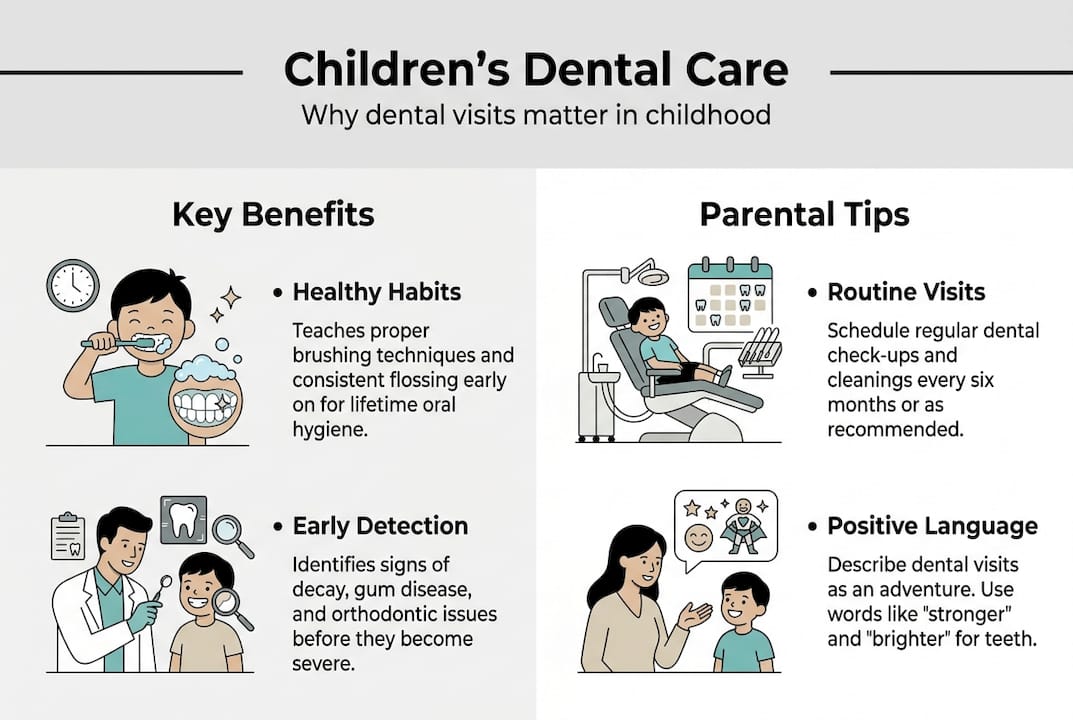
Building a dental home means establishing a relationship with one practice where staff know your child’s history, temperament, and specific needs. This familiarity reduces anxiety because children recognise faces and environments. Trust develops naturally when the same gentle hygienist cleans teeth every six months and remembers your child’s favourite colour or recent birthday.
Dental anxiety decreases significantly after comprehensive treatments, especially with supportive preparation and follow-up. Children who receive consistent, positive dental experiences develop confidence that carries through adolescence. They’re more likely to maintain appointments as adults and teach their own children healthy attitudes toward oral care.
Ongoing relationships enable personalised prevention strategies. Dentists who watch children grow can tailor fluoride treatments, sealant applications, and dietary counselling to individual risk factors. A child prone to cavities receives more intensive prevention than one with naturally strong enamel, maximising protection while avoiding unnecessary interventions.
Benefits of establishing a dental home:
- Early detection of cavities, alignment issues, and developmental concerns
- Consistent provider relationships that build trust and reduce anxiety
- Personalised prevention plans based on individual risk factors
- Seamless coordination if specialists like orthodontists become necessary
- Educational continuity as dentists teach age-appropriate hygiene skills
Behavioural techniques improve with repeated exposure. Children who initially needed extensive support may eventually sit calmly for cleanings, having learned through positive experiences that dental visits are safe and manageable. This progression happens most effectively with consistent providers who remember past challenges and celebrate current successes.
Regular check-ups create accountability for home care habits. Children brush more diligently when they know their dentist will check for plaque at the next visit. This external motivation gradually becomes internal as children experience the satisfaction of hearing “Great job, no cavities!” and want to maintain that achievement.
Parents benefit from ongoing education as children’s needs change. Toddler tooth brushing requires different techniques than helping a ten-year-old floss around new molars. Dentists who see families regularly provide timely guidance that prevents problems before they start, making calm dental anxiety easier through proactive rather than reactive care.
Consider how mindfulness meditation for dental anxiety techniques taught during childhood create coping skills useful throughout life. Children who learn to manage dental anxiety through breathing exercises and positive visualisation apply these strategies to other stressful situations, gaining resilience beyond oral health.
Explore gentle and advanced pediatric dental care at Paynless Dental
Finding the right pediatric dentist transforms dental visits from stressful obligations into positive experiences that build lifelong healthy habits. Paynless Dental offers specialised paediatric dentist Parramatta services combining expert care with advanced technology designed specifically for children’s comfort. Their teams use evidence-based behavioural guidance, digital diagnostics, and modern pain management to create welcoming environments where children feel safe and parents feel confident.
Multilingual staff and culturally sensitive care ensure Western Sydney’s diverse families receive clear communication and personalised attention. Whether your child needs their first check-up, cavity treatment, or ongoing developmental monitoring, Paynless Dental provides comprehensive services that grow with your family. Convenient locations and flexible scheduling make maintaining regular visits easier, supporting the consistent care that prevents problems and builds trust over time. Explore their affordable dental implants and gentle root canal treatment options for complete family dental solutions.
Frequently asked questions
What age should my child see a pediatric dentist?
Children should visit a pediatric dentist by their first birthday or when the first tooth erupts, whichever comes first. Early visits familiarise children with dental environments before anxiety develops and allow dentists to assess growth patterns, provide fluoride guidance, and catch problems like tongue tie or unusual eruption timing. Starting dental care early establishes positive associations that reduce fear throughout childhood.
How can I help my child feel comfortable during dental visits?
Use positive, simple language about the visit and avoid sharing your own dental fears or negative stories. Bring a favourite toy or comfort item to the appointment, and choose dentists skilled in behavioural guidance who create welcoming environments. Let your child see you receive dental care calmly, modelling the behaviour you want them to adopt. Reading age-appropriate books about dentists beforehand helps children know what to expect, and learning to calm dental anxiety naturally provides tools your whole family can use.
What technology improves children’s dental care comfort?
Digital x-rays reduce radiation exposure by up to 80% while providing instant, detailed images that speed diagnosis and reduce chair time. Topical anaesthetic gels numb gum tissue before injections, eliminating the sharp sensation children fear most. Advanced pain control options like articaine provide superior numbness with fewer injections, and intraoral cameras let children see exactly what dentists see, demystifying procedures. These technologies combine to create experiences far more comfortable than traditional approaches, making visits to a paediatric dentist Parramatta location significantly less stressful for anxious children.
How often should children visit the dentist?
Most children benefit from check-ups every six months, allowing dentists to monitor development, clean teeth professionally, and catch problems early when treatment is simpler. Some children with higher cavity risk or orthodontic concerns may need more frequent visits, while others with excellent oral health might extend to annual check-ups. Your pediatric dentist will recommend a schedule based on your child’s individual needs, growth patterns, and risk factors.
What makes pediatric dentists different from general dentists?
Pediatric dentists complete additional years of specialised training focused on child psychology, behavioural guidance, growth and development, and age-appropriate communication techniques. They understand how children’s emotions and cognitive abilities affect their response to dental care and use evidence-based methods to reduce anxiety and build cooperation. Their practices feature child-friendly environments, equipment sized for small mouths, and staff trained specifically in working with young patients, creating experiences fundamentally different from adult-focused general dentistry.