
TL;DR:
- A paediatric dentist completes additional postgraduate training focused on children’s oral health and behaviour management.
- Choosing a local, family-friendly practice with full services and ongoing care ensures better long-term oral health for children.
A paediatric dentist is a dental specialist who completes an additional 2–3 years of postgraduate residency training beyond dental school, focusing entirely on the oral health of infants, children, and adolescents. When parents in Western Sydney search for a dentist childrens near me, they are looking for more than a general practitioner who occasionally treats kids. They need a clinician trained to manage the behavioural, developmental, and clinical challenges unique to young patients. The right paediatric dentist builds what specialists call a “dental home,” a consistent, trusted practice where children feel safe and parents feel confident. That foundation shapes a child’s relationship with oral health for life.
What qualifications set paediatric dentists apart from general dentists?
Paediatric dentists complete 2–3 years of specialised residency training after dental school. That residency focuses on child psychology, behavioural management, developmental oral health, and treating patients from infancy through the teenage years. General dentists do not receive this focused training as part of their standard degree.
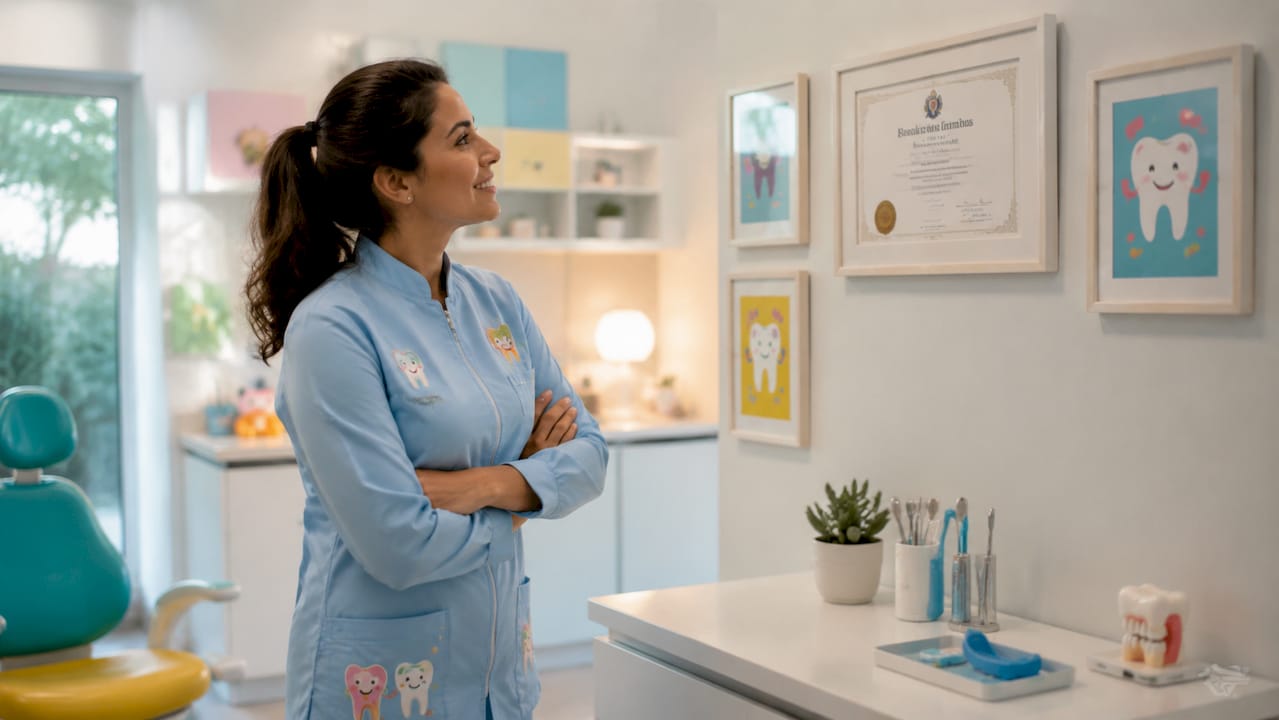
The practical difference shows up in the treatment room. A paediatric dentist knows how to read a child’s anxiety signals before they escalate. They use specific communication techniques, such as tell-show-do, where they explain a procedure, demonstrate it on a model, and then perform it gently. This approach reduces fear and builds trust across multiple visits.
Behavioural management is a clinical skill, not just a personality trait. Continuing education and modern techniques indicate a paediatric team’s genuine commitment to gentle, effective care. When you are comparing practices, ask directly whether the dentist holds a specialist registration with the Dental Board of Australia. That credential confirms the postgraduate training is real.
Pro Tip: Ask the receptionist whether the dentist is registered as a specialist in paediatric dentistry with the Dental Board of Australia. A specialist registration is a verifiable credential, not just a marketing claim.
Which services should a kids dental clinic nearby offer?
A well-rounded paediatric dental practice covers prevention, restoration, and emergency care. The services below represent the full scope parents should expect.
Preventive care forms the foundation of every visit:
- Routine checkups and professional cleans
- Fluoride treatments to strengthen developing enamel
- Fissure sealants applied to back teeth to block decay in deep grooves
- Oral hygiene instruction tailored to the child’s age and dexterity
Restorative care addresses damage to both baby and permanent teeth:
- Tooth-coloured fillings for cavities in primary teeth
- Stainless steel or ceramic crowns for heavily decayed baby molars
- Pulpotomy (nerve treatment for baby teeth) when decay reaches the pulp
- Space maintainers to hold gaps open after early tooth loss
Emergency and urgent care is non-negotiable. Same-day or next-day appointments for toothaches and minor trauma are standard at reputable paediatric practices. A chipped tooth or knocked-out baby tooth needs prompt attention, and a practice that cannot accommodate urgent cases is not a reliable dental home.
Sedation options matter for anxious or complex cases. IV sedation in paediatric dentistry allows safe treatment of highly anxious children or those with special medical needs, and this option is rarely available at general practices. Nitrous oxide (happy gas) is the more common first step, but knowing a practice can escalate to deeper sedation when needed gives parents real peace of mind.
Paediatric dentists tailor treatment plans to each child’s developmental stage, avoiding a one-size-fits-all approach. A five-year-old with a cavity in a baby molar needs a very different plan than a twelve-year-old with an emerging permanent tooth issue.
How to find the best children’s dentist near me in Western Sydney
Location is the single most practical factor for ongoing care. A clinic that takes 45 minutes to reach will be skipped when life gets busy. For parents in suburbs like Toongabbie, Wentworthville, Pendle Hill, Seven Hills, and Westmead, a local practice removes that barrier entirely.
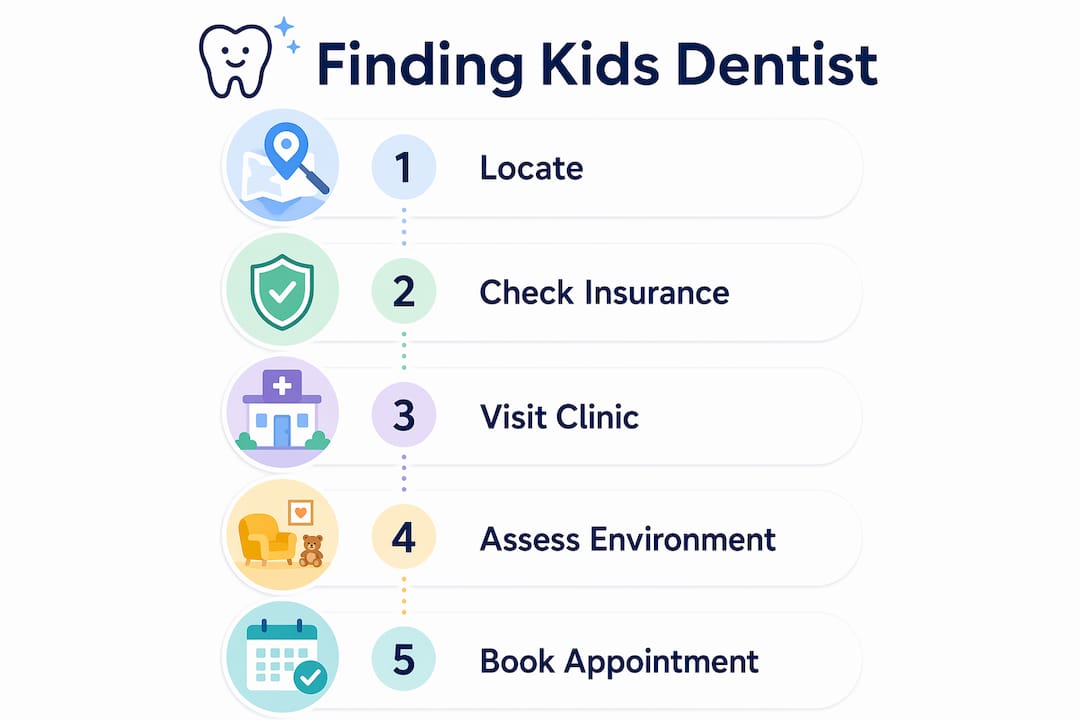
| Factor | What to look for |
|---|---|
| Location and access | Within 15–20 minutes of home or school; parking and public transport nearby |
| Insurance acceptance | Major insurance and PPO plans accepted; verify before booking |
| Office environment | Kid-sized equipment, play areas, and distraction tools in treatment rooms |
| Parental presence policy | Practice welcomes parents in the treatment room during visits |
| Continuing education | Dentist actively updates skills in paediatric behaviour management and clinical techniques |
Insurance acceptance is a practical filter. Most reputable paediatric clinics accept major health funds, but verification before the first appointment avoids unexpected out-of-pocket costs. Paynless Dental’s dental insurance guidance for families explains what to check before booking.
The office design tells you a great deal about a practice’s priorities. Kid-sized equipment and dedicated play areas fundamentally improve cooperation and reduce stress in children during dental visits. A practice that has invested in child-specific design has made a deliberate commitment to its young patients.
Pro Tip: Book a brief meet-and-greet visit before the first treatment appointment. Letting your child walk through the practice, meet the team, and sit in the chair without any procedure removes the fear of the unknown before it takes hold.
What makes a paediatric practice genuinely family-friendly?
A family-friendly dental practice is defined by its environment, its staff, and its policies working together. The physical space matters first. Dental offices designed for children include kid-sized chairs, ceiling-mounted screens or tablets, colourful décor, and waiting room play areas. These features lower a child’s stress before the appointment even begins.
Staff communication style is equally important. Gentle, age-appropriate language from the receptionist, the dental assistant, and the dentist creates a consistent tone throughout the visit. A child who hears calm, clear explanations at every step is far less likely to resist treatment.
Parental involvement policies vary between practices, but the evidence is clear. Many paediatric practices welcome parents in the treatment room because parental presence is an effective calming tool for anxious children. If a practice routinely separates parents from young children without a clinical reason, ask why.
The long-term payoff of a positive early experience is significant. Developing a dental home early establishes trust and familiarity, reducing dental anxiety and encouraging lifelong preventive care habits. A child who associates the dentist with safety rather than fear is a child who will keep attending as an adult. That outcome is worth choosing the right practice from the very first visit.
For a detailed look at family-friendly dental offices in Western Sydney, Paynless Dental’s local guide covers what to expect from practices designed specifically for children.
Key takeaways
Choosing a local paediatric dentist with specialist training, a full-service clinic, and a genuinely child-friendly environment is the single most effective way to protect your child’s oral health long term.
| Point | Details |
|---|---|
| Specialist training matters | Paediatric dentists complete 2–3 years of extra residency training beyond dental school. |
| Full-service clinics | Look for preventive, restorative, emergency, and sedation services under one roof. |
| Location drives consistency | A nearby clinic removes the practical barrier to keeping regular appointments. |
| Office design reduces anxiety | Kid-sized equipment and play areas measurably improve cooperation during visits. |
| Early dental home pays off | Starting regular visits early builds trust and supports lifelong oral health habits. |
Why I think parents underestimate the dental home concept
I have watched families cycle through three or four different practices before their child turns ten, each time starting from scratch with a new dentist who does not know the child’s history, their anxiety triggers, or their developmental timeline. The disruption is not just inconvenient. It actively works against the child’s comfort and the quality of care they receive.
The dental home concept is not marketing language. It is a clinical framework. A paediatric dentist who has seen your child every six months since age two knows things no new practitioner can know from a single appointment. They know whether your child’s bite is developing normally, whether a habit like thumb sucking has caused any shift, and exactly how much reassurance that particular child needs before an injection.
My strong recommendation to Western Sydney parents is this: prioritise continuity over convenience deals. A practice that offers a discounted first visit but has no capacity for ongoing care is not a dental home. A practice that is five minutes further away but has seen hundreds of children through from toddler to teenager is worth the extra drive. For parents wanting a paediatric dentist in Western Sydney with that kind of continuity, the criteria in this article give you a clear checklist to work from.
The families I have seen get this right all share one habit: they book the next appointment before they leave the current one. That single behaviour keeps the dental home relationship intact.
— Ashish
Paynless Dental: children’s dental care in Western Sydney
Paynless Dental operates two clinics in Western Sydney, with the Toongabbie location serving Wentworthville, Pendle Hill, Seven Hills, Constitution Hill, and Westmead. The practice combines a family-friendly environment with modern clinical techniques, making it a practical choice for parents seeking consistent, quality care close to home. The team accepts major health funds and works with families on payment options to keep affordable kids dental care accessible. Whether your child needs a first checkup, a fissure sealant, or urgent care after a playground accident, Paynless Dental is equipped to help. For adults in the family needing restorative work, the practice also offers dental crown services across both locations. Book your child’s appointment today at paynlessdental.com.au.
FAQ
What age should a child first see a paediatric dentist?
The Australian Dental Association recommends a child’s first dental visit by their first birthday or within six months of the first tooth appearing. Early visits establish the dental home and allow the dentist to monitor development from the start.
How is a paediatric dentist different from a family dentist?
A paediatric dentist holds a specialist registration after completing 2–3 years of postgraduate residency training focused on children’s oral health and behaviour management. A family dentist treats all ages but does not hold this specialist qualification.
Do paediatric dental clinics offer sedation for anxious children?
Many paediatric practices offer nitrous oxide (happy gas) as a standard option, and some specialised practices provide IV sedation for complex or highly anxious cases. Confirm sedation options with the practice before booking if your child has significant dental anxiety.
How do I check if a kids dental clinic nearby accepts my health fund?
Call the practice directly and provide your health fund name and membership number before the first appointment. Most reputable paediatric clinics accept major insurance plans, but coverage levels vary, so confirming in advance avoids unexpected costs.
Can parents stay in the treatment room during the appointment?
Most family-friendly paediatric practices welcome parents in the treatment room because parental presence helps calm anxious children. Ask the practice about their specific policy when you book, as some may have different approaches for older children or complex procedures.