
Tooth decay remains one of the most common childhood health problems across Australian families, especially in busy areas like Western Sydney. With nearly one in three Australian children experiencing dental cavities by age twelve, preventive care has never been more important for growing smiles. Understanding how dental sealants work can empower parents to take practical steps that safeguard their children’s oral health for years to come.
Table of Contents
- Dental Sealants And Cavity Prevention Explained
- Types Of Dental Sealants For Kids’ Teeth
- How Dental Sealants Are Applied In Clinic
- Costs, Durability And Maintenance Factors
- Risks, Safety And Common Misconceptions
- Alternatives And Choosing Preventive Treatments
Key Takeaways
| Point | Details |
|---|---|
| Importance of Dental Sealants | Dental sealants provide a protective barrier against cavities on children’s back teeth, significantly reducing the risk of tooth decay. |
| Application Process | The application of sealants is quick, non-invasive, and typically completed in one dental visit, making it a child-friendly preventive treatment. |
| Types of Sealants | Resin-based and glass ionomer cement sealants offer different benefits; selection should be based on individual cavity risk and dental needs. |
| Complementary Strategies | Parents should consider multiple preventive methods, including fluoride treatments and good oral hygiene practices, for optimal dental health in children. |
Dental sealants and cavity prevention explained
Dental decay remains a significant childhood health challenge, with tooth cavities affecting countless young Australians every year. Preventive dental care strategies play a crucial role in protecting children’s oral health, and dental sealants represent an innovative solution in this ongoing battle against tooth decay.
Dental sealants are thin, protective coatings applied to the chewing surfaces of back teeth (molars and premolars), where cavities most frequently develop. These specialised plastic barriers work by creating a smooth surface that blocks food particles and bacteria from settling into the natural grooves and pits of teeth. By sealing off these vulnerable areas, sealants dramatically reduce the risk of tooth decay in children, providing an additional layer of defence beyond regular brushing and flossing.
The application process for dental sealants is straightforward and non-invasive. A dental professional carefully cleans and prepares the tooth surface, then applies a liquid sealant material that quickly hardens, forming a protective shield. This quick procedure can typically be completed in a single dental visit, offering long-lasting protection for several years. Children between the ages of six and twelve are ideal candidates, as their permanent back teeth emerge and become susceptible to decay.
Pro tip: Schedule your child’s first sealant application soon after their first permanent molars emerge, typically around age six, to maximise early cavity prevention and protect developing teeth.
Types of dental sealants for kids’ teeth
When it comes to protecting children’s teeth, dental professionals have several sealant material options designed to combat tooth decay. These specialised protective coatings are carefully selected based on individual dental needs, ensuring optimal protection for young patients.
Two primary types of dental sealants dominate the preventive dental landscape. Resin-based sealants are the most common, offering a durable and highly effective barrier against cavity formation. These clear or white sealants create a tight bond with tooth surfaces, effectively blocking bacteria and food particles from penetrating tooth enamel. The fluoride-containing sealants provide an additional layer of protection, simultaneously strengthening tooth structure and preventing decay.
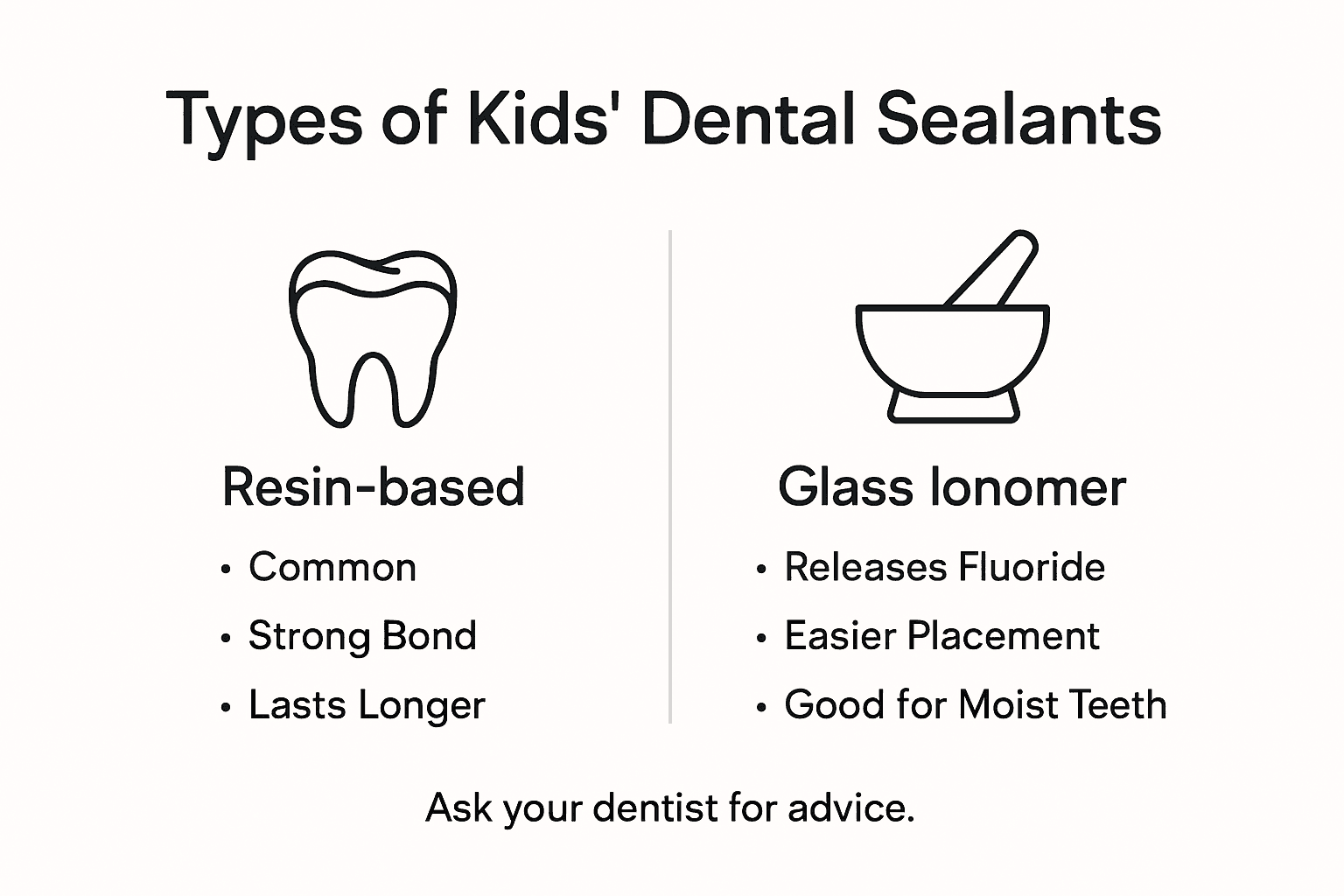
Alternatively, glass ionomer cement sealants represent another crucial option for paediatric dental care. These unique sealants release fluoride continuously, making them particularly beneficial for children at higher risk of tooth decay. Unlike resin-based sealants, glass ionomer cements chemically bond to tooth structures and can be more forgiving in slightly moist environments, which can be challenging when treating young, squirming patients.
Pro tip: Ask your dental professional about combining different sealant types for comprehensive protection, especially if your child has varying cavity risk levels across different teeth.
Here’s a concise comparison of primary dental sealant types for children:
| Sealant Type | Key Advantage | Bonding Method | Best For |
|---|---|---|---|
| Resin-based | Highly durable protection | Mechanical bond | Most children, low moisture risk |
| Glass ionomer cement | Continuous fluoride release | Chemical bond | Higher cavity risk, moist mouths |
| Fluoride-containing resin | Strengthens enamel while protecting | Mechanical bond | Extra prevention, weak enamel |
How dental sealants are applied in clinic
The application of dental sealants is a precise yet straightforward procedure designed to provide maximum protection for children’s teeth. Dental professionals follow a carefully structured process that ensures comprehensive coverage and optimal cavity prevention without causing discomfort to young patients.
The first step involves thorough tooth preparation. The dentist meticulously cleans the tooth surface, removing any plaque or debris that might interfere with sealant adhesion. After cleaning, the tooth is carefully dried and isolated to create a moisture-free environment. A special conditioning gel is applied to slightly roughen the tooth surface, which helps the sealant material form a stronger bond with the tooth enamel.
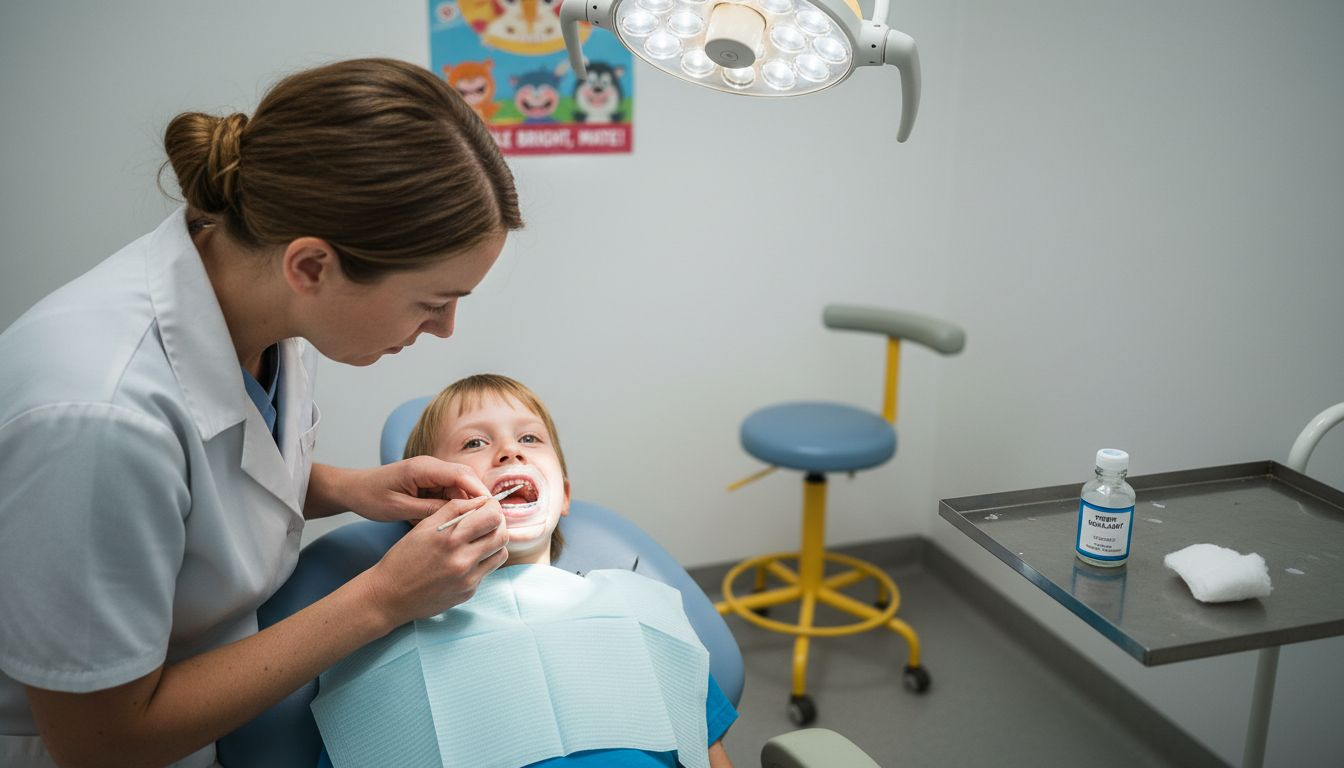
Once the tooth is prepared, the dental professional applies the liquid sealant material directly into the deep grooves and pits of the tooth’s chewing surface. Using a fine brush or applicator, they ensure complete and even coverage of these vulnerable areas. A special curing light is then used to harden the sealant quickly, creating an immediate protective barrier. This entire non-invasive procedure typically takes just a few minutes per tooth, making it an efficient and child-friendly preventive treatment.
Pro tip: Request a fluoride treatment immediately after sealant application to provide an extra layer of protection against tooth decay.
Costs, durability and maintenance factors
Dental sealants represent an investment in long-term oral health, with varying costs and durability depending on individual circumstances and care approaches. Families can explore multiple options for managing dental sealant treatments, including public dental programs and private health insurance coverage.
The durability of dental sealants typically ranges between three to five years, though this can vary based on individual factors such as oral hygiene habits, diet, and tooth grinding. Regular dental check-ups are crucial for monitoring sealant integrity, as sealants can gradually wear down from normal chewing and require professional assessment. Most dentists recommend a comprehensive review during routine dental examinations to determine whether the existing sealant needs replacement or touch-up treatments.
Cost considerations for dental sealants can differ significantly between public and private healthcare settings. Many families can benefit from government programs like the Child Dental Benefits Schedule, which may partially or fully cover preventive treatments. Private health insurance plans might also offer rebates or partial coverage for paediatric dental sealant applications. The overall expense is typically considered minimal compared to the potential long-term savings from preventing extensive tooth decay and complex dental treatments.
Pro tip: Check with your local dental clinic and health insurance provider about available discounts or package deals for children’s preventive dental treatments.
Below is a handy summary of the main factors affecting dental sealant longevity and costs:
| Factor | Impact on Durability | Influence on Cost |
|---|---|---|
| Oral hygiene habits | Extends sealant life | May reduce future costs |
| Diet | Acidic food wears sealant | Poor diet may mean more cost |
| Tooth grinding | Can shorten lifespan | Repairs or replacements |
| Dental check-up frequency | Early issue detection | Keeps ongoing costs lower |
Risks, safety and common misconceptions
Parents often harbour understandable concerns about dental treatments for their children, and dental sealants are no exception. Comprehensive safety assessments have thoroughly investigated potential risks, consistently demonstrating that sealants are a safe and effective preventive dental treatment with minimal associated risks.
One prevalent misconception is that dental sealant materials might be toxic or harmful to children. However, Australian dental regulations mandate strict safety standards for all dental materials. Professional dental associations confirm that adverse reactions are extremely rare, and the benefits of preventing tooth decay far outweigh any potential minimal risks. The sealant materials used are carefully tested, non-invasive, and specifically designed to create a protective barrier without introducing harmful substances into a child’s system.
Some parents worry that the sealant application process might be painful or traumatic for their children. In reality, the procedure is completely painless and does not require drilling, injections, or significant tooth preparation. Dental professionals use gentle techniques that make children feel comfortable and relaxed during the short application process. Additionally, the potential discomfort of multiple cavities and extensive dental treatments is far more significant than the brief, mild experience of applying a dental sealant.
Pro tip: Always discuss any specific concerns or medical history with your dentist before proceeding with dental sealant treatment to ensure personalised medical advice.
Alternatives and choosing preventive treatments
Preventing childhood tooth decay involves multiple complementary strategies beyond dental sealants. Comprehensive preventive dental care encompasses a holistic approach that combines various techniques to protect young teeth from potential damage and decay.
Fluoride treatments represent a powerful alternative and complementary approach to dental sealants. Professional fluoride applications can strengthen tooth enamel, making teeth more resistant to acid attacks from bacteria and sugars. Oral health factsheets recommend integrating multiple prevention strategies, including regular brushing with fluoride toothpaste, professional fluoride treatments, dietary modifications, and potentially dental sealants depending on individual risk factors.
Parents should consider several key factors when selecting preventive dental treatments for their children. These include the child’s individual cavity risk, oral hygiene habits, diet, and specific tooth morphology. Some children might benefit more from a combination of strategies like fluoride treatments, dietary counselling, and dental sealants, rather than relying on a single preventive method. Professional dental assessments can help determine the most appropriate and personalised approach to maintaining optimal oral health.
Pro tip: Request a comprehensive oral health assessment to develop a customised prevention strategy tailored specifically to your child’s unique dental needs.
Protect Your Child’s Smile with Expert Dental Care at Paynless Dental
Dental sealants provide an effective shield against tooth decay, especially on those vulnerable chewing surfaces where cavities often begin. If you want to safeguard your child’s teeth with quality preventive treatments combined with compassionate care, Paynless Dental is here to support your family. Our experienced team understands the importance of early intervention using advanced techniques like resin-based and fluoride-containing sealants to create a lasting barrier against decay.
Take control of your child’s oral health today by visiting one of our conveniently located clinics in Toongabbie or North Ryde. Beyond sealants, we offer comprehensive services including Orthodontics for correcting tooth alignment and specialised Oral Surgery when more complex care is needed. Your child deserves preventive dental care that is effective, gentle and tailored to their unique needs.
Don’t wait until cavities cause discomfort or costly treatments. Partner with Paynless Dental now for a confident, cavity-free smile. Book an appointment online or call us today at Paynless Dental to start your child’s journey towards long-lasting oral health.
Frequently Asked Questions
What are dental sealants?
Dental sealants are thin, protective coatings applied to the chewing surfaces of back teeth to prevent cavities. They create a smooth surface that blocks food particles and bacteria from settling in the grooves and pits of the teeth.
How are dental sealants applied?
The application involves cleaning the tooth, applying a conditioning gel, then the sealant material is applied into the grooves and hardened using a curing light. The process is quick and non-invasive, typically taking just a few minutes per tooth.
How long do dental sealants last?
Dental sealants usually last between three to five years, depending on factors like oral hygiene habits, diet, and regular dental check-ups to monitor their integrity.
Are there any risks associated with dental sealants?
Dental sealants are considered safe for children’s teeth, with minimal associated risks. They are tested for safety and do not involve invasive procedures, making them a painless option for cavity prevention.
Recommended
- No Gaps Dental: Unlocking the Secrets to a Perfect Smile – Paynless Dental Clinic
- The Ultimate Guide to Dental Veneers: Transform Your Smile with Veneers – Paynless Dental Clinic
- Dental Sealants: Protecting Teeth From Decay Early | Paynless
- Discover Quality Dental Care at Paynless Dental, Your Trusted Family Dentist in Blacktown – Paynless Dental Clinic
- What happens if there is decay under a crown? – Albania Dental Implants