
Most australian families are surprised to learn that dental sealants can reduce the risk of tooth decay by up to 80 percent just within the first two years after application. Protecting teeth from cavities is a top concern for both adults and children, yet persistent myths often keep people from using this proven preventive measure. If you want to understand how dental sealants work, who can benefit, and clear up common misconceptions, this guide offers practical facts every australian family should know.
Table of Contents
- Dental Sealants Explained And Common Myths
- Types Of Dental Sealants Used In Australia
- How Sealants Work To Prevent Decay
- Procedure And Eligibility For Sealant Application
- Lifespan, Maintenance, And Potential Costs
- Sealants Versus Fillings And Other Alternatives
Key Takeaways
| Point | Details |
|---|---|
| Dental Sealants Are Preventative | Sealants protect against tooth decay by blocking food and bacteria from settling in hard-to-reach grooves of molars and premolars. |
| Suitable for All Ages | While primarily recommended for children, adults with specific dental needs can also benefit from dental sealants. |
| Two Main Types of Sealants | Resin-based and glass ionomer sealants offer unique benefits; resin is durable, while glass ionomer continuously releases fluoride. |
| Cost-Effective Prevention | Sealant application is more affordable than fillings, making it a smart investment for long-term oral health. |
Dental Sealants Explained and Common Myths
Dental sealants are thin protective coatings applied to the chewing surfaces of back teeth, specifically molars and premolars, to help prevent tooth decay. Fissure sealants create a barrier that stops food and plaque from accumulating in the deep grooves and pits where toothbrushes cannot easily reach.
Contrary to popular belief, dental sealants are not exclusively for children. While they are most commonly recommended for kids and teenagers whose newly erupted permanent teeth are most vulnerable to cavities, adults can also benefit from this preventative treatment. The sealant material bonds directly to tooth enamel, creating a smooth surface that makes it harder for bacteria to stick and cause decay.
One common myth is that dental sealants are unsafe or contain harmful chemicals. However, dental professionals have consistently confirmed their safety and effectiveness. The thin plastic coating is made from biocompatible materials that are carefully applied by trained professionals. Sealants can significantly reduce the risk of tooth decay by up to 80% in the first two years after application and continue providing protection for several years.
Pro Tip – Sealant Care: After receiving dental sealants, maintain good oral hygiene by brushing twice daily, flossing regularly, and scheduling routine check-ups to ensure the sealants remain intact and effective.
Types of Dental Sealants Used in Australia
Dental professionals in Australia use several types of sealants to protect teeth from decay, with glass ionomer cement (GIC) emerging as a versatile dental restoration material for sealing tooth surfaces. This innovative material not only creates a protective barrier but also releases fluoride, which actively helps prevent dental caries.
The two primary types of dental sealants commonly used are resin-based and glass ionomer sealants. Resin-based sealants are made from a plastic material that bonds directly to the tooth enamel, creating a durable protective coating. These sealants are typically clear or white and are most effective when applied to the chewing surfaces of back molars and premolars, where deep grooves and pits are most susceptible to decay.
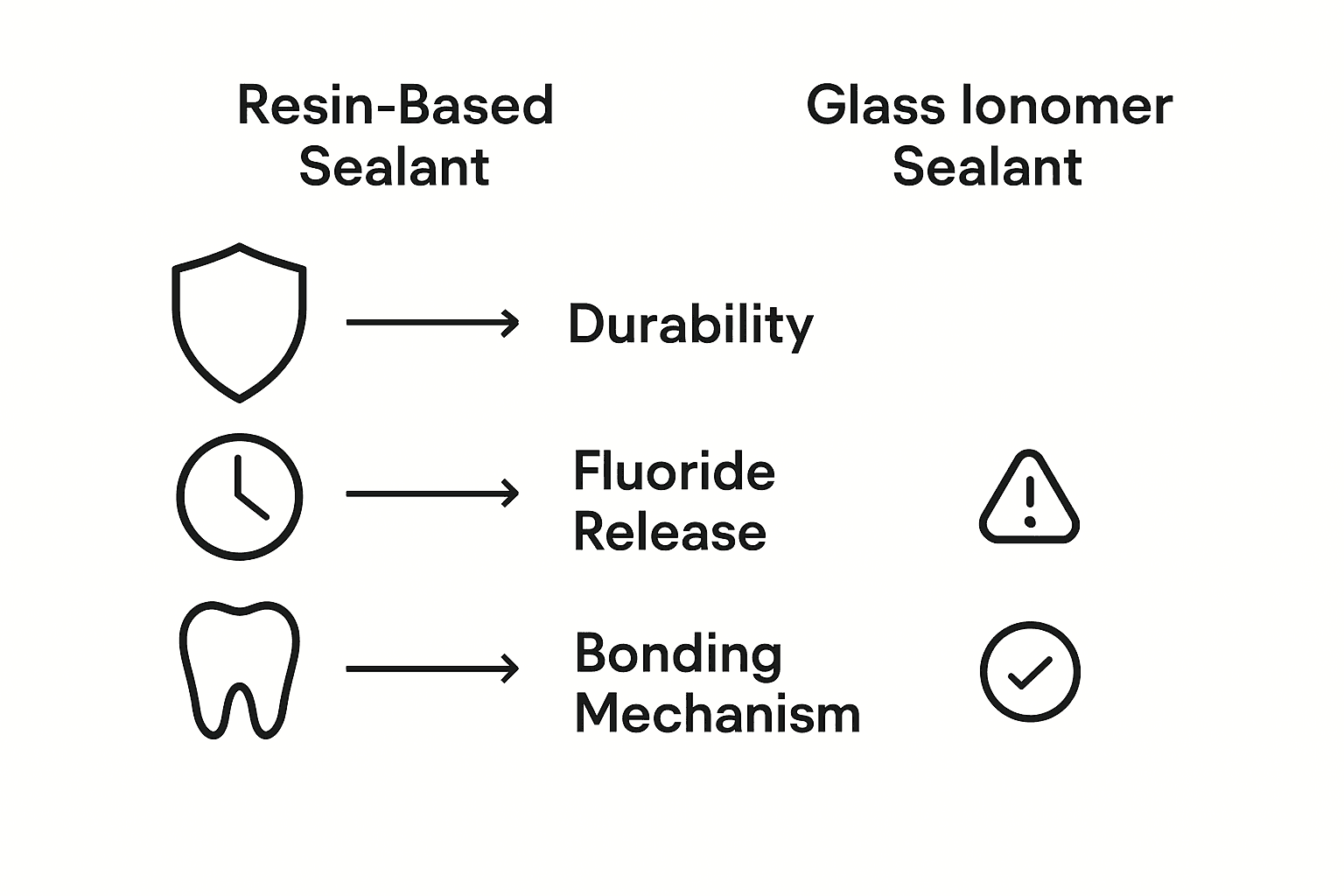
Glass ionomer sealants offer unique advantages for patients. Unlike resin-based options, these sealants chemically bond to tooth structure and continuously release fluoride, providing ongoing protection against tooth decay. They are particularly beneficial for patients with higher cavity risk or those with limited access to regular dental care. Some dental practitioners also prefer glass ionomer sealants for children or patients with slightly moist tooth surfaces, as they can be more forgiving during application.
Here’s a summary comparing the two main types of dental sealants used in Australia:
| Aspect | Resin-Based Sealants | Glass Ionomer Sealants |
|---|---|---|
| Material | Synthetic polymer/plastic | Glass ionomer cement compound |
| Bonding | Adheres to dry enamel | Chemically bonds, tolerates some moisture |
| Fluoride Release | No fluoride release | Continuous fluoride release |
| Durability | More long-lasting | Slightly less durable |
| Best For | Low to moderate decay risk | High decay risk, challenging conditions |
Pro Tip – Sealant Selection: Consult your dental professional to determine the most suitable sealant type for your specific dental needs, considering factors like age, oral hygiene, and individual cavity risk.
How Sealants Work to Prevent Decay
Dental sealants function as a protective shield for teeth, creating a barrier that prevents food and bacteria from accumulating in tooth grooves where traditional brushing often cannot reach. These microscopic barriers are strategically applied to the chewing surfaces of back teeth, particularly molars and premolars, which have complex topographical surfaces with numerous deep pits and fissures.
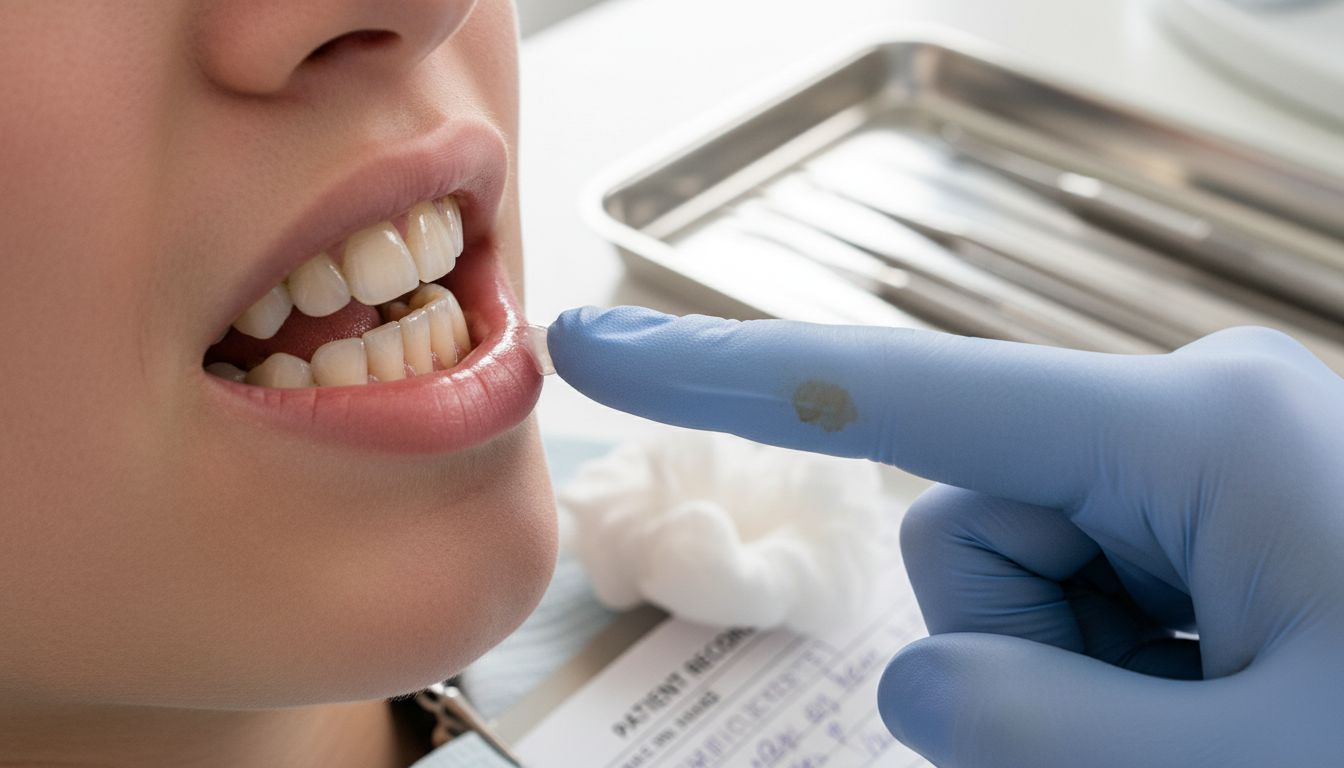
The mechanism of sealant protection is fundamentally about creating a smooth, impenetrable surface over the natural tooth landscape. When bacteria and food particles cannot lodge in these microscopic valleys, they are unable to produce acid that erodes tooth enamel. The sealant material essentially fills these tiny crevices, transforming a rough, bacteria-trapping surface into a smooth, easily cleanable area that resists decay-causing agents.
Scientific research demonstrates that sealants can reduce cavity risk by up to 80% in the first two years after application. The protective layer acts like an invisible raincoat for teeth, preventing direct contact between harmful oral bacteria and the tooth’s vulnerable enamel surface. This proactive approach is particularly crucial for children and teenagers, whose newly erupted permanent teeth are most susceptible to decay, but adults can also benefit significantly from this preventative treatment.
Pro Tip – Sealant Maintenance: Regularly inspect your dental sealants during routine check-ups and maintain excellent oral hygiene to ensure their long-term effectiveness and protection against tooth decay.
Procedure and Eligibility for Sealant Application
Dental sealant application is a precise procedure designed to protect teeth from decay, primarily focusing on children and teenagers. The process begins with a thorough cleaning and careful preparation of the tooth surface. Dental professionals meticulously clean and dry the targeted teeth, ensuring no moisture or debris can interfere with the sealant’s bonding process.
The eligibility for sealant application primarily centres on age and tooth development. Children aged six and older, particularly those with newly erupted permanent molars, are ideal candidates. The procedure involves applying a thin, protective coating directly into the deep grooves and pits of back teeth where toothbrushes struggle to reach. A specialised curing light is used to harden the sealant, creating a durable protective barrier that can significantly reduce the risk of tooth decay.
While children and teenagers are the primary focus, adults can also benefit from dental sealants. Factors such as deep tooth fissures, history of tooth decay, or difficulty maintaining optimal oral hygiene can make sealant application beneficial for patients of all ages. Each patient undergoes an individual assessment to determine the most appropriate preventative dental strategy. The non-invasive nature of the procedure, combined with its long-lasting protection, makes dental sealants an attractive option for comprehensive dental care.
Pro Tip – Sealant Assessment: Schedule a comprehensive dental consultation to evaluate your individual sealant needs, taking into account your unique dental anatomy and oral health history.
Lifespan, Maintenance, and Potential Costs
Dental sealants are a long-lasting preventive treatment that can provide protection for several years, with their effectiveness depending on proper maintenance and individual oral hygiene practices. Typically, sealants can remain intact for three to five years, though this duration can vary based on factors such as dietary habits, bite force, and overall dental care routine.
Maintenance of dental sealants involves regular professional monitoring during routine dental check-ups. Dentists will inspect the sealants for any signs of wear, chipping, or partial loss, which can compromise their protective capabilities. Some patients may require touch-ups or complete reapplication to ensure continuous protection against tooth decay. The good news is that the reapplication process is straightforward and less invasive compared to treating cavities that might develop without sealant protection.
The cost of dental sealants is relatively affordable when compared to the potential expenses of treating tooth decay. Most dental insurance plans offer partial coverage for sealants, particularly for children and teenagers, making them a cost-effective preventive measure. While the initial investment might seem modest, the long-term savings in dental treatments can be substantial. Patients can expect to pay between $30 to $60 per tooth for sealant application, which is significantly less expensive than the cost of filling a cavity or performing more extensive dental procedures.
Pro Tip – Budget-Friendly Prevention: Consider discussing dental sealant options with your dental professional during your next check-up, and inquire about insurance coverage or payment plans to make this preventive treatment more accessible.
Sealants Versus Fillings and Other Alternatives
Dental sealants represent a proactive approach to preventing tooth decay, distinctly different from traditional fillings, which primarily address existing dental damage. While fillings restore teeth that have already developed cavities, sealants act as a protective shield applied to healthy tooth surfaces, preventing decay before it can begin. This fundamental difference makes sealants a strategic preventative measure that can potentially save patients significant time, discomfort, and long-term dental expenses.
Compared to alternative preventative treatments, dental sealants offer unique advantages. Fluoride treatments provide surface-level protection but do not create the same physical barrier as sealants. Dental veneers and crowns are primarily cosmetic or restorative solutions, whereas sealants focus specifically on preventing decay in the tooth’s natural grooves and pits. The minimally invasive nature of sealant application sets them apart from more extensive dental interventions, making them an attractive option for patients seeking early, conservative dental care.
The cost-effectiveness of sealants becomes evident when comparing them to the expenses associated with treating cavities. A single filling can cost significantly more than a sealant application, and complex dental procedures like root canals or crowns are exponentially more expensive. Moreover, sealants help maintain the tooth’s original structure, avoiding the need for more invasive treatments. For patients with high cavity risk or those prone to tooth decay, sealants represent a smart investment in long-term oral health, potentially preventing multiple dental issues before they can develop.
The following table highlights key differences between dental sealants, fillings, and other dental prevention options:
| Solution | Main Purpose | Invasiveness | Typical Cost (Per Tooth) |
|---|---|---|---|
| Sealants | Prevent decay in grooves | Minimally invasive | $30–$60 |
| Fillings | Restore decayed teeth | Moderately invasive | $150–$300 |
| Fluoride Treatments | Protect whole tooth surfaces | Non-invasive | $20–$60 |
| Crowns/Veneers | Repair/restore damaged teeth | Highly invasive | $1000+ |
Pro Tip – Preventative Planning: Discuss your individual cavity risk and potential sealant benefits during your next dental check-up, considering your oral hygiene habits, diet, and family dental history.
Protect Your Smile Early with Expert Dental Sealants at Paynless Dental
Dental sealants are a crucial shield against tooth decay, especially on the deep grooves of molars where brushing may miss. If you are concerned about protecting your teeth from cavities or want to maintain a healthy smile for life this preventative treatment can make a significant difference. The challenge is knowing the right sealant type and care to maximise protection — a decision best made with trusted dental professionals who understand your unique dental needs.
At Paynless Dental we offer comprehensive dental check-ups where our experienced team assesses your risk for decay and guides you on the best sealant options to safeguard your teeth. Whether you are a parent seeking protection for your child’s newly erupted teeth or an adult wanting to minimise decay risk we provide personalised care using advanced technology across convenient locations including Toongabbie and North Ryde. Learn more about our services such as Dental Implants or Crowns & Bridges which complement sealant treatments and maintain optimal oral health.
Take control of your dental health before problems arise. Book a consultation today at Paynless Dental through our website to explore how dental sealants and tailored preventive solutions can protect you and your family’s smiles now and for years to come.
Frequently Asked Questions
What are dental sealants and how do they work?
Dental sealants are thin protective coatings applied to the chewing surfaces of back teeth to prevent tooth decay. They create a barrier that stops food and plaque from accumulating in deep grooves and pits, making it harder for bacteria to cause decay.
Who can benefit from dental sealants?
While dental sealants are most commonly recommended for children and teenagers, adults can also benefit from this preventative treatment, especially those with deep fissures or a history of tooth decay.
How long do dental sealants last?
Dental sealants can provide protection for three to five years, depending on factors such as oral hygiene practices and dietary habits. Regular dental check-ups can help monitor their condition and effectiveness.
How do dental sealants differ from fillings?
Dental sealants are preventative treatments applied to healthy teeth to guard against decay, whereas fillings are used to restore teeth that have already developed cavities. Sealants are minimally invasive, while fillings are more invasive and involve removing decayed tooth material.