
TL;DR:
- Most patients expect dental implant procedures to be simple, but careful planning significantly reduces risks and costs.
- Choosing the right implant type, ensuring thorough diagnostics, and prioritizing post-surgery care are essential for long-term success.
Most people searching for dental implants in Western Sydney expect the process to be fairly simple. Find a local clinic, get the tooth replaced, move on. The reality is quite different. Pricing between clinics can vary by thousands of dollars for what appears to be the same procedure, the range of implant solutions available is far broader than most patients realise, and skipping even one step in the planning process can lead to complications that cost far more to fix than the original treatment. This guide cuts through the noise so you can move from confusion to genuine clarity about what dental implants involve, what they actually cost locally, and how to choose care you can trust.
Table of Contents
- What are dental implants and who needs them?
- Types of dental implants and which suits you best
- What influences the cost of dental implants in Western Sydney?
- Managing dental implant risks and complications
- Essential maintenance and long-term success with implants
- Why careful planning makes all the difference
- Next steps: finding the right dental implant partner in Western Sydney
- Frequently asked questions
Key Takeaways
| Point | Details |
|---|---|
| Implant types vary | Single, multiple and full-arch options suit different patients and needs. |
| Costs are transparent | Expect AUD 3,000–7,000 for a single implant; always seek detailed, itemised quotes. |
| Planning reduces risks | Thorough assessments and surgical guides lower the risk of complications. |
| Aftercare is critical | Professional maintenance and hygiene protect your investment long term. |
| Choose clinics wisely | Premium practices clarify all stages from cost to maintenance for the best outcomes. |
What are dental implants and who needs them?
Dental implants are titanium posts that are surgically placed into your jawbone to act as artificial tooth roots. A crown, bridge, or denture is then attached on top, giving you a replacement tooth that looks, feels, and functions like a natural one. Titanium is used because the bone naturally fuses around it over time, a process called osseointegration, which creates a stable, permanent foundation.
The patients who benefit most from implants are adults with one or more missing or failing teeth who have sufficient jawbone density and healthy gum tissue. Implants are also ideal for people who are tired of loose-fitting dentures or who want to avoid trimming down healthy adjacent teeth for a traditional bridge. Teenagers are generally not candidates because their jawbones are still developing, but implants are increasingly common for adults of all ages, including seniors.
The main implant categories are:
- Single tooth implants: Replace one missing tooth with a titanium post and individual crown
- Multiple tooth implants: Two or more individual implants placed at different sites
- Implant-supported bridges: A bridge anchored to implants rather than natural teeth, ideal for replacing several adjacent missing teeth
- All-on-4 and All-on-6: Full-arch solutions where a complete set of teeth is supported by just four or six strategically placed implants
- Implant-retained dentures: Dentures that snap onto implants for greater stability and comfort
Complication risks in implant dentistry can include both surgical issues such as infection, bleeding, nerve-related sensory changes, and fracture, as well as restorative and biologic issues like peri-implantitis (a gum infection around the implant). Good planning dramatically reduces these risks.
Pro Tip: Always ask your clinician about the planning process before committing. Proper planning should include digital X-rays, a CT scan for three-dimensional bone assessment, and in many cases a surgical guide to improve placement accuracy. If a clinic skips these steps, consider that a warning sign.
If you want to understand the full range of dental implant solutions available, it pays to review them before your first consultation so you can have a genuinely informed conversation.
Types of dental implants and which suits you best
Now that you know implants may suit your needs, it is time to look closer at your main options locally and how clinicians customise their recommendations.
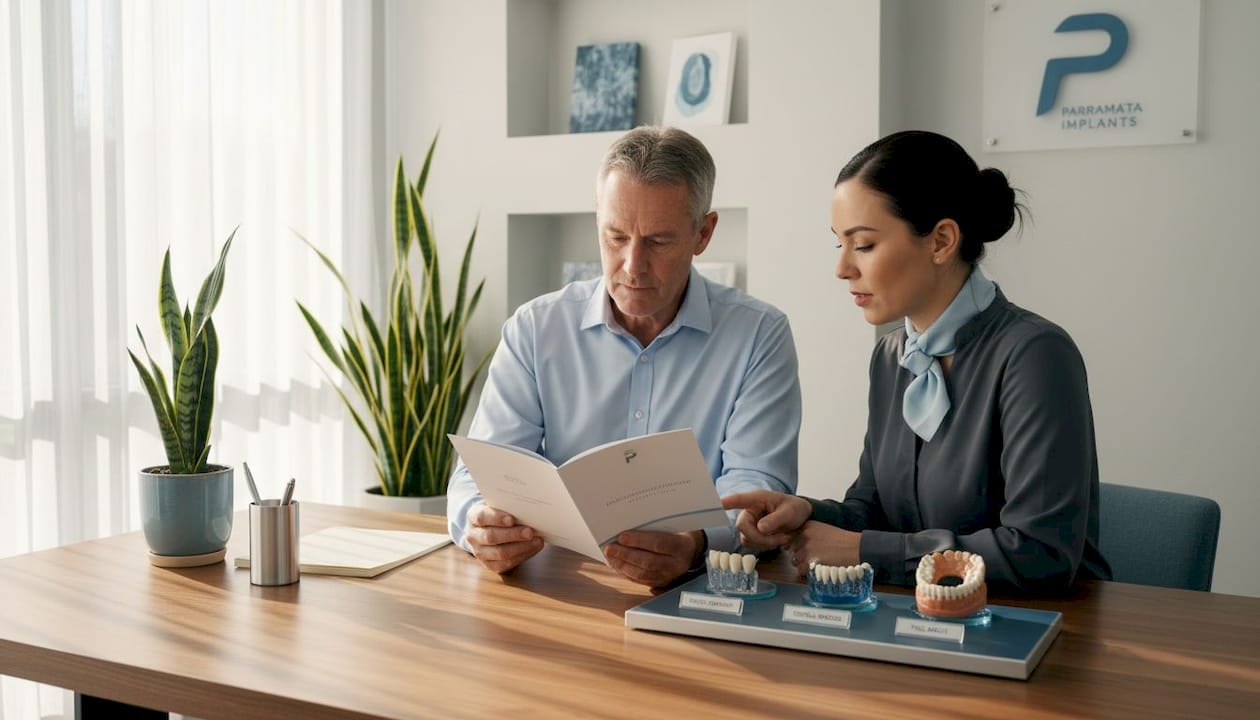
The choice between a single implant, multiple implants, or a full-arch solution depends on several factors: how many teeth are missing, the current state of your jawbone, your overall health, your lifestyle, and your long-term budget. No two cases are identical, which is why cookie-cutter treatment plans should raise concern.
| Implant type | Best suited for | Key consideration |
|---|---|---|
| Single implant | One missing tooth | Adjacent teeth remain untouched |
| Multiple implants | Two or more separate gaps | Each site assessed independently |
| Implant-supported bridge | Adjacent missing teeth | Fewer implants needed for multiple teeth |
| All-on-4 / All-on-6 | Full arch tooth loss | High efficiency; strong clinical outcomes |
| Implant-retained dentures | Patients wanting stable dentures | Cost-effective vs full arch implants |
For All-on-4 specifically, published clinical outcomes report high implant survival rates in the mid-to-high 90% range over multi-year follow-up, while also noting that minor technical and biologic complications can occur. Prosthesis survival is tracked separately from implant survival, so it is worth asking your clinician to clarify both figures.
Complications do differ by implant type. Single-tooth sites carry a small risk of injury to adjacent teeth during drilling if planning is inadequate. Full-arch cases require diligent hygiene habits because cleaning under a fixed prosthesis is more involved than brushing natural teeth. Understanding these differences upfront helps you commit to the right approach with realistic expectations.
- Bone volume: Insufficient bone may require grafting before implant placement
- Gum health: Active gum disease must be treated before any implant work begins
- Systemic health: Conditions like poorly controlled diabetes or smoking affect healing and success rates
- Lifestyle factors: Bruxism (teeth grinding) can place excessive load on implants and may require a nightguard
If you live near Wentworthville or the surrounding suburbs, it is worth exploring the full range of implant types in Wentworthville to understand local availability. Patients often assume the closest clinic offers all options, but that is not always the case. You can also learn more about what pain-free implant procedures actually look like in a modern Western Sydney practice.
What influences the cost of dental implants in Western Sydney?
Once you know the implant type you need, understanding local pricing and what is included can help you avoid unexpected surprises.
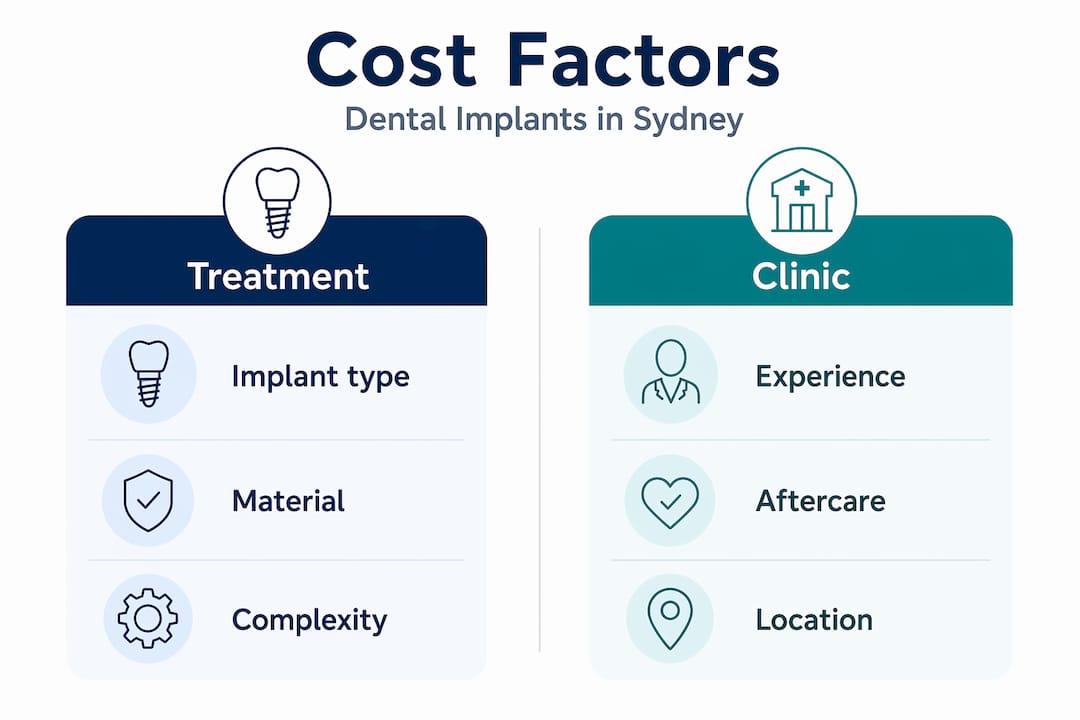
Dental implant costs in Australia genuinely vary. Published price guides frequently report single-tooth implant treatment ranges roughly in the AUD 3,000 to 7,000 range, with full-arch and All-on-4 per-jaw pricing commonly in the AUD 18,000 to 35,000 range, depending on case complexity, bone grafting, and materials used. These are starting points, not fixed prices.
| Treatment | Typical range (AUD) | What affects the price |
|---|---|---|
| Single tooth implant | $3,000 – $7,000 | Bone graft needs, crown material, imaging |
| Multiple implants | $6,000 – $20,000+ | Number of sites, complexity, staged vs simultaneous |
| All-on-4 (per jaw) | $18,000 – $35,000 | Prosthesis type, bone preparation, anaesthesia |
| Bone grafting | $500 – $3,000 | Volume required, graft material used |
Several factors drive that price range wider or narrower in practice:
- Bone grafting: If you have experienced bone loss (common after tooth extraction), you may need a graft to build up the site before or during implant placement. This adds cost and treatment time.
- Imaging and diagnostics: A full CT scan and digital treatment planning add to upfront costs but save money and risk over the full treatment.
- Implant brand and components: Premium implant systems from established manufacturers come at a higher material cost but offer better documented long-term outcomes.
- Crown and restoration materials: Zirconia crowns are stronger and more aesthetically precise than older ceramic options but typically cost more.
- Clinician experience: A specialist or highly experienced implant dentist charges more per hour, but the reduced complication rate often makes this worthwhile financially.
- Aftercare and warranties: Some clinics include review appointments and a prosthesis warranty in their fee; others charge separately for every follow-up visit.
Pro Tip: Always request an itemised written quote before proceeding. The quote should list every component separately: consultation, imaging, any bone grafting, implant placement, healing abutment, final crown or prosthesis, and review appointments. Comparing two headline prices without seeing the breakdown is like comparing two home renovation quotes where one includes painting and the other does not.
If you are a senior or on a tight budget, it is also worth exploring options such as free dental implants for seniors to understand what subsidised or assisted pathways may be available in Western Sydney.
Managing dental implant risks and complications
Before finalising your implant plan, it is crucial to know how possible risks are proactively managed in premium local clinics.
Every surgical procedure carries some level of risk, and implants are no exception. Understanding those risks in advance is not meant to discourage you. It empowers you to ask the right questions and choose a clinic that takes them seriously.
The most common complications fall into two categories. Surgical complications include infection at the implant site, damage to surrounding nerves causing temporary or permanent numbness, bleeding, and in rare cases fracture of the implant itself. Biologic complications include peri-implantitis, which is essentially gum disease around the implant, and implant failure due to poor osseointegration.
Clinical literature highlights adjacent-tooth injury during preparation and drilling as an important edge-case risk for single-tooth and localised implant sites, and strongly emphasises the importance of avoiding infected sites and using sterile protocols to reduce overall complication risk.
Here is how a quality Western Sydney practice minimises these risks:
- Thorough pre-surgical assessment: CT scanning maps exact bone dimensions, nerve locations, and sinus boundaries before any drilling occurs
- Surgical guides: Computer-designed drilling guides ensure implants are placed at the precise angle and depth planned on screen
- Sterile technique: Full infection control protocols during surgery reduce the risk of post-operative infection significantly
- Patient health screening: Medical history review identifies risk factors like blood thinners, bisphosphonates, or uncontrolled systemic conditions before treatment begins
- Staged approach when needed: Some patients benefit from having bone grafting, implant placement, and crown fitting as separate staged procedures rather than rushing everything at once
“Prevention begins at the planning stage. A clinician who spends time understanding your bone, your health, and your lifestyle before touching a drill is not being slow. They are being safe.”
If a complication does occur, act quickly. Contact your clinic at the first sign of unusual swelling, persistent pain beyond the first few days, or any change in sensation. Early intervention almost always produces better outcomes than waiting. Detailed guidance on implant aftercare and maintenance and understanding implant lifespan and durability can help you stay ahead of problems.
Essential maintenance and long-term success with implants
Your path to a lasting smile does not end with surgery. Here is how local patients set themselves up for success over the long term.
Dental implants do not decay the way natural teeth do, but the gum tissue and bone around them absolutely can deteriorate if you neglect your oral hygiene. Peri-implantitis is one of the leading causes of implant failure in the years following surgery, and it is almost entirely preventable with the right habits and professional support.
Daily maintenance for implant patients should include:
- Brushing twice daily with a soft-bristle or electric toothbrush, paying close attention to the gum line around each implant
- Interdental brushes or floss specifically designed for implants to clean around the implant post and crown margins
- Water flossers: Particularly useful for patients with implant-supported bridges or All-on-4 prostheses, where traditional flossing is difficult
- Antimicrobial mouthwash: A useful adjunct, especially in the first few months after surgery
- Avoiding tobacco: Smoking significantly increases peri-implantitis risk and reduces long-term implant survival rates
Professional reviews are equally important. Most implant patients should visit their dentist every six months for a clean and check-up that specifically assesses implant stability, gum health around each site, and the condition of the crown or prosthesis.
Ask your clinician whether your crown is cemented or screw-retained. Screw-retained crowns can be removed by your dentist for thorough cleaning and to inspect the implant components underneath. Cemented crowns are fixed permanently. Both have advantages, but knowing which you have affects what maintenance is possible down the track.
Pro Tip: When you are choosing a clinic, ask directly about their aftercare programme. A practice that offers structured post-surgical reviews, specific implant hygiene instruction, and long-term monitoring is investing in your outcome, not just the surgery day. That is the kind of commitment that separates premium care from a transaction.
For detailed advice on protecting gums after implants, there are specific protocols worth discussing with your clinician before you even start treatment.
Why careful planning makes all the difference
There is a pattern we see repeatedly in implant dentistry, and it is worth naming directly. Patients who shop primarily on price, or who simply book the nearest available clinic without asking deeper questions, are disproportionately represented among those who experience complications, unexpected costs, or outcomes they are not happy with.
That is not a coincidence. It reflects what gets compressed when a practice is competing on price alone: the consultation time, the imaging, the treatment planning, the material quality, and often the aftercare. When any one of those elements is rushed or skipped, the risk profile of the entire case changes.
What genuinely sets a premium implant experience apart is not the size of the waiting room or the equipment brand on the wall. It is the quality of the conversation before any treatment begins. Does the clinician explain why they are recommending a particular implant type? Do they walk you through the imaging and show you exactly where they plan to place each implant and why? Do they discuss your maintenance responsibilities in plain language before you commit?
Many patients are surprised to discover that some of the most important decisions in implant treatment happen before the surgery day. Choosing between a cemented or screw-retained crown, deciding whether to graft or attempt placement without grafting, selecting an implant system with robust published long-term data — these are all planning decisions, not surgical ones. And a clinic that rushes past them is not saving you time. They are creating exposure you may not see for two or three years.
Choosing a practice near you is understandable. But treat proximity as a starting point, not a deciding factor. Options like free dental implants options for eligible patients are also worth investigating before settling on a clinic, because financial support changes the calculus for many people in Western Sydney.
Next steps: finding the right dental implant partner in Western Sydney
If you have read this far, you already approach this decision differently from most. You understand that implant type, costs, planning quality, and aftercare all matter. Now it is time to act on that knowledge with a clinic that matches your expectations.
Paynless Dental operates across Western Sydney, including the Toongabbie clinic serving Wentworthville, Pendle Hill, Seven Hills, and Westmead, and the North Ryde clinic covering Macquarie Park, Ryde, Chatswood, and surrounding suburbs. Both locations offer itemised, transparent quotes, advanced imaging, and premium patient education as standard. Explore affordable dental implants to understand your options in full, or learn about complementary dental bridge solutions if a bridge may be a suitable alternative for your case. Book a consultation and bring your questions. A great implant practice will welcome them.
Frequently asked questions
How long do dental implants last?
Dental implants can last decades or even a lifetime with proper daily hygiene and regular professional reviews, as routine check-ups catch early issues before they become serious problems.
What is the typical recovery time after a dental implant?
Most patients return to normal activities within a few days of surgery, but full bone healing and final restoration placement typically take several months, with healing time varying depending on individual health and case complexity.
Are dental implant procedures painful?
Most procedures are performed under local anaesthetic, making them virtually pain-free during surgery; some mild soreness may follow but typically settles within a few days, as post-surgical discomfort from implant placement is usually short-lived.
How much do dental implants cost in Western Sydney?
Single implants typically range from AUD 3,000 to 7,000, while full-arch options can reach AUD 18,000 to 35,000 per jaw, with case complexity and materials being the main drivers of variation.
What maintenance do dental implants require?
Daily brushing, interdental cleaning, and regular professional check-ups are essential, as peri-implantitis risk from neglected hygiene remains one of the leading causes of long-term implant failure.