
Taking care of your smile does not end after receiving dental implants. Many adults across Toongabbie and North Ryde soon find that ongoing dental visits are the key to protecting their investment and preventing gum disease in the years that follow. Periodontal maintenance involves a specialised approach, reaching deeper than standard cleans to catch any signs of trouble early and keep both natural teeth and implants healthy. Here you will discover what sets this vital care apart and why it is crucial for lasting oral health.
Table of Contents
- Defining Periodontal Maintenance In Dentistry
- How Periodontal Maintenance Differs From Standard Cleaning
- Key Procedures And Techniques In Maintenance
- Importance After Dental Implant Treatments
- Risks, Costs, And Maintenance Scheduling
Key Takeaways
| Point | Details |
|---|---|
| Importance of Periodontal Maintenance | Regular periodontal maintenance stabilises oral health after initial treatment and prevents disease recurrence through systematic monitoring and intervention. |
| Personalised Treatment Plans | Maintenance protocols must be tailored to each individual’s oral environment and risk factors, ensuring effective management of periodontal health. |
| Frequency of Visits | Periodontal maintenance typically requires appointments every 3-4 months to effectively monitor progress and prevent complications, compared to standard cleanings every 6 months. |
| Impact on Implant Success | Post-implant maintenance is crucial for the longevity of dental implants, requiring specialised care and consistent follow-up to avoid complications. |
Defining Periodontal Maintenance In Dentistry
Periodontal maintenance represents a targeted clinical approach designed to stabilise oral health after initial periodontal treatment. At its core, this specialised protocol aims to preserve periodontal health through systematic interventions by preventing disease recurrence and managing ongoing oral conditions.
The process involves comprehensive monitoring and strategic management of an individual’s periodontal status. Dental professionals track key indicators such as gum inflammation, probing depths, bleeding points, and potential bacterial colonisation. These systematic assessments help identify early warning signs of potential complications, enabling proactive interventions before significant damage occurs.
Critical to understanding periodontal maintenance is recognising its long-term preventative nature. Unlike standard dental check-ups, this approach requires customised intervention strategies tailored to each patient’s unique oral environment. Practitioners develop personalised maintenance protocols that consider individual risk factors, medical history, and specific periodontal challenges.
Pro tip: Schedule consistent periodontal maintenance appointments every 3-4 months to ensure ongoing monitoring and early detection of potential oral health issues.
How Periodontal Maintenance Differs From Standard Cleaning
Periodontal maintenance represents a specialised dental intervention that goes far beyond standard cleaning procedures. Unlike routine prophylaxis, this approach targets deep subgingival regions where significant bacterial colonisation can occur, requiring more intricate and precise treatment techniques.
The key distinctions emerge in both treatment depth and frequency. Standard cleanings typically focus on removing plaque and calculus above the gumline for patients with healthy gums. In contrast, periodontal maintenance involves comprehensive cleaning beneath the gumline, specifically designed for patients who have previously undergone treatment for periodontitis. These specialised sessions address deeper pockets, manage ongoing inflammation, and prevent potential disease progression.
Furthermore, the frequency of maintenance sessions differs significantly. While routine dental cleanings might occur every six months, periodontal maintenance often requires more frequent interventions. Research indicates that periodontal pathogens can rapidly recolonise deep pockets within approximately 90 days, necessitating more strategic monitoring intervals typically every three to four months.
Pro tip: Discuss your personalised maintenance schedule with your dental professional to ensure optimal ongoing periodontal health and prevention of potential complications.
Here’s a summary of how periodontal maintenance differs from standard dental cleaning:
| Aspect | Periodontal Maintenance | Standard Cleaning |
|---|---|---|
| Target Area | Above and below gumline | Above gumline only |
| Patients | History of periodontitis | Healthy gums, routine care |
| Session Frequency | Every 3-4 months | Every 6 months |
| Main Goal | Prevent disease progression | Prevent plaque and tartar |
| Techniques Used | Deep scaling, pocket monitoring | Scaling, polishing |
Key Procedures And Techniques In Maintenance
Periodontal maintenance encompasses a comprehensive suite of clinical techniques designed to monitor and preserve oral health. Multiple diagnostic and treatment strategies are employed to detect, prevent, and manage potential periodontal complications effectively.
The primary procedures involve detailed clinical assessments that go beyond standard dental examinations. Periodontal probing serves as a critical diagnostic tool, allowing dental professionals to measure pocket depths and evaluate soft tissue conditions. Practitioners systematically examine each tooth, recording precise measurements to track changes in gingival health over time. This process helps identify subtle shifts in periodontal status that might indicate emerging disease progression or healing.
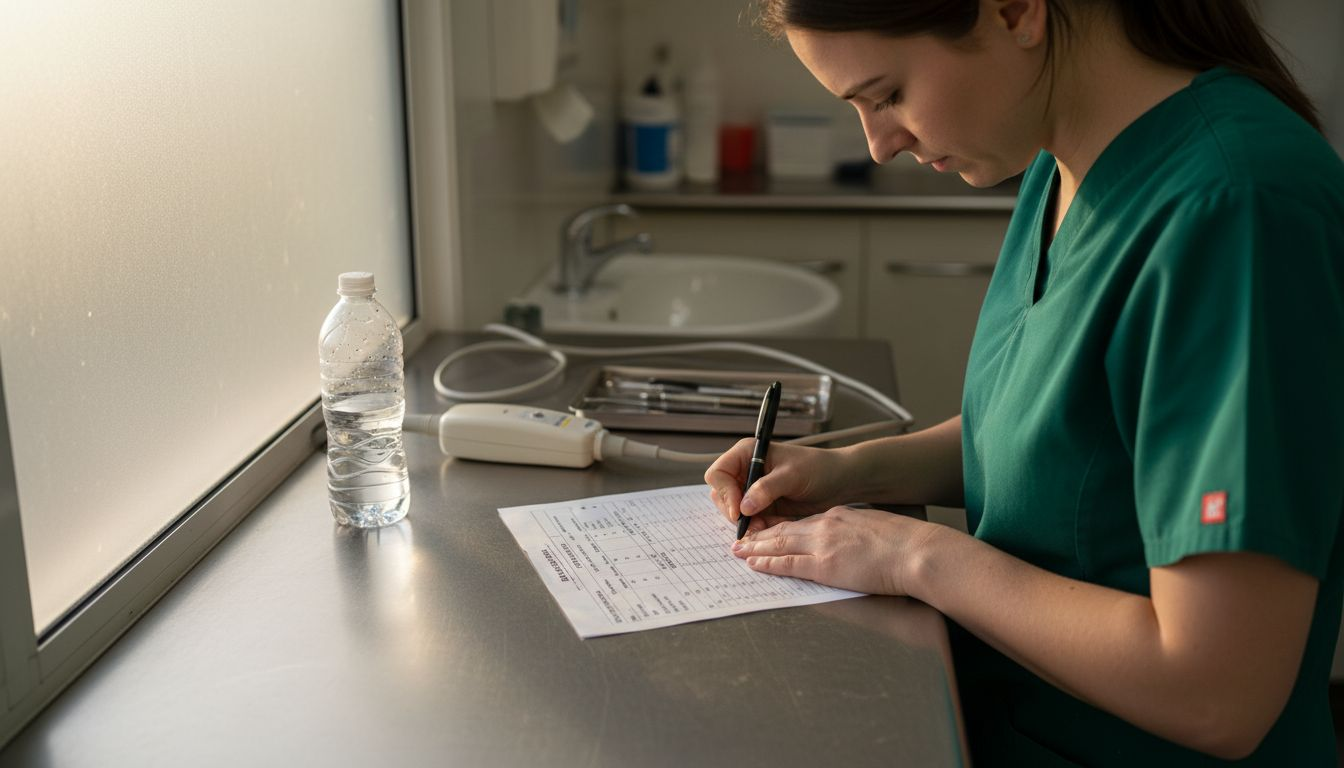
Advanced treatment techniques include both manual and technological interventions. Ultrasonic scaling devices remove stubborn calculus and bacterial biofilms with precision, complemented by manual instrumentation that allows for targeted subgingival cleaning. These methods are carefully tailored to each patient’s unique oral environment, considering factors such as existing inflammation, previous treatment history, and individual bacterial colonisation patterns.
Pro tip: Request a comprehensive periodontal chart during your maintenance visit to understand your specific oral health measurements and track your progress over time.
Use this reference table of key periodontal maintenance procedures and their purposes:
| Procedure | Main Purpose |
|---|---|
| Periodontal Probing | Measure pocket depths accurately |
| Ultrasonic Scaling | Remove deep calculus and biofilm |
| Manual Instrumentation | Target subgingival problem areas |
| Comprehensive Charting | Track changes in gum health |
| Individualised Risk Review | Adjust strategies for each patient |
Importance After Dental Implant Treatments
Periodontal maintenance following dental implant treatments is critically important for ensuring long-term implant success and overall oral health. Specialized maintenance protocols are essential in preserving the stability and function of dental implants, preventing potential complications that could compromise the patient’s investment.
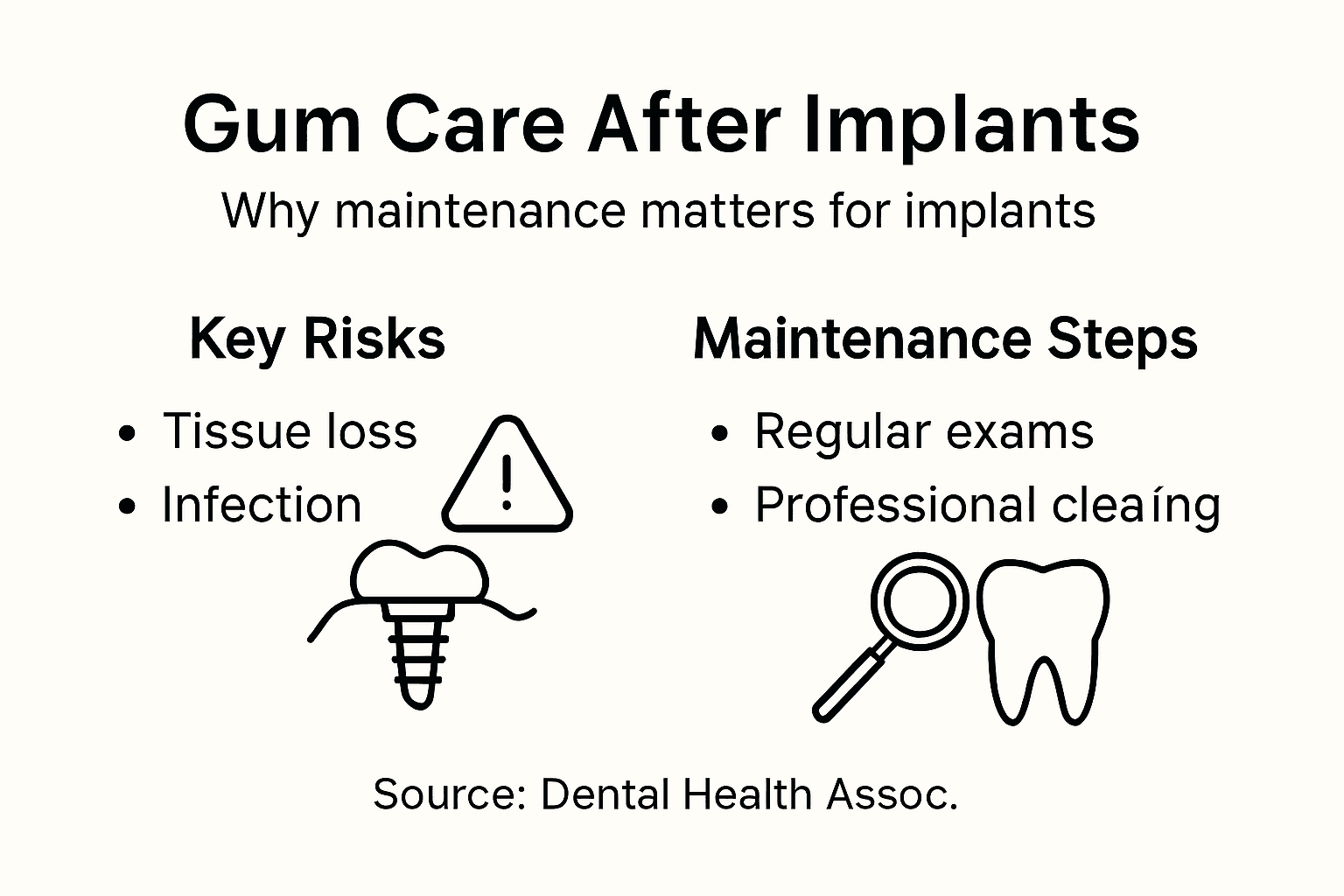
Peri-implant tissue health requires meticulous attention and professional monitoring. Dental professionals must conduct regular assessments to detect early signs of inflammation, bacterial colonisation, or structural changes around the implant site. These comprehensive evaluations help identify potential risk factors and implement proactive intervention strategies before minor issues escalate into significant complications that might threaten implant integrity.
Critical components of post-implant maintenance include professional cleaning techniques specifically adapted for implant surfaces, targeted hygiene education, and individualised risk management. Each patient receives a customised maintenance plan that considers their unique oral environment, existing health conditions, and specific implant characteristics. This personalised approach ensures comprehensive protection and maximises the longevity of dental implant treatments.
Pro tip: Schedule consistent follow-up appointments and maintain rigorous personal oral hygiene to protect your dental implant investment.
Risks, Costs, And Maintenance Scheduling
Periodontal maintenance involves a strategic approach to managing potential health risks while balancing financial considerations for patients with dental implants. Maintenance intervals play a critical role in preventing long-term complications and controlling overall treatment expenses.
The primary risks associated with inadequate maintenance include potential tooth or implant loss, progressive bacterial colonisation, and recurring inflammation. Patients face significant financial consequences if these risks are not proactively managed. Advanced periodontal disease can result in substantially more expensive interventions, making regular maintenance a cost-effective preventative strategy. Risk factors such as medical history, oral hygiene habits, and individual healing characteristics contribute to the complexity of maintenance planning.
Maintenance scheduling typically follows a precise three to four-month protocol, tailored to individual patient needs. This frequency allows dental professionals to monitor implant integration, assess tissue health, and intervene before minor issues escalate into major complications. The recommended scheduling considers multiple variables including disease severity, patient compliance, and specific implant characteristics, ensuring a personalised approach to oral health management.
Pro tip: Maintain a detailed oral health record and discuss your specific maintenance requirements with your dental professional to optimise long-term implant success.
Protect Your Smile with Expert Periodontal Maintenance After Implants
Maintaining healthy gums is crucial after receiving dental implants to prevent inflammation, bacterial colonisation, and implant failure. This article highlights how personalised periodontal maintenance can protect your investment by regular monitoring of pocket depths and targeted deep cleaning beneath the gumline. At Paynless Dental, we understand the importance of thorough follow-up care and offer specialised Dental Implants services including implant-supported dentures and bone grafting tailored to your individual needs.
Don’t wait until problems arise to act. Our experienced team uses advanced technology to provide comprehensive periodontal maintenance designed to stabilise your oral health long-term. Book your consultation today at one of our conveniently located clinics in Toongabbie or North Ryde. Take control of your dental health now by visiting Paynless Dental and discover how our expert care can keep your gums healthy and your implants secure.
Frequently Asked Questions
What is periodontal maintenance?
Periodontal maintenance is a targeted dental care protocol designed to stabilise oral health after initial treatment for periodontal disease. It focuses on preserving periodontal health through systematic monitoring and interventions.
How often should I schedule periodontal maintenance appointments after getting implants?
It is recommended to schedule periodontal maintenance appointments every 3 to 4 months to ensure effective monitoring and management of your oral health, especially following dental implant treatments.
What procedures are involved in periodontal maintenance?
Key procedures in periodontal maintenance include periodontal probing to measure pocket depths, ultrasonic scaling to remove calculus, manual instrumentation for targeted cleaning, and comprehensive charting to track changes in gum health over time.
What are the risks of not maintaining periodontal health after dental implants?
Not maintaining periodontal health can lead to risks such as tooth or implant loss, progressive bacterial colonisation, and recurring inflammation, which can result in significant financial and health consequences.
Recommended
- A Comprehensive Guide to Dental Implants: Types, Procedure, and Aftercare – Paynless Dental Clinic
- The Ultimate Guide to Finding the Best Dentist in Blacktown for Your Oral Health Needs – Paynless Dental Clinic
- No Gaps Dental: Unlocking the Secrets to a Perfect Smile – Paynless Dental Clinic
- Toongabbie Dentist Clinic – Paynless Dental Clinic
- 28 Home Remedies to Treat Gingivitis – Home Remedies