
Most people think visiting the dentist is just about keeping your teeth clean. Yet, your family’s medical story plays a much bigger part in your oral health than you probably realise. In fact, your family medical history can tip off your dentist to potential risks long before symptoms appear. So the next time you book a check-up, it is not just your pearly whites under review. You might be handing your dentist the secret to protecting your whole mouth for years to come.
Table of Contents
- Step 1: Review Your Oral Health History
- Step 2: Identify Symptoms Requiring Dental Attention
- Step 3: Schedule Regular Check-ups Based on Risk Factors
- Step 4: Determine the Right Timing for Cosmetic Procedures
- Step 5: Assess Emergency Situations Promptly
- Step 6: Confirm Insurance Coverage and Provider Details
Quick Summary
| Key Point | Explanation |
|---|---|
| 1. Understand your oral health history | Collect details about past treatments and health issues to personalise dental care. |
| 2. Recognise symptoms needing dental care | Be alert for signs of dental problems, like persistent pain or bleeding gums. |
| 3. Schedule check-ups based on risk factors | Frequency of visits should reflect personal health conditions and lifestyle habits. |
| 4. Be prepared for dental emergencies | Create a plan for urgent situations to ensure swift professional assistance. |
| 5. Verify insurance coverage and benefits | Check what procedures are covered and any associated costs to avoid financial surprises. |
Step 1: Review Your Oral Health History
Understanding your personal oral health history is the foundational first step in determining when to visit the dentist. This crucial process helps both you and your dental professional create a tailored approach to your ongoing dental care.
Begin by gathering comprehensive information about your past dental experiences, medical conditions, and family health background. Compile a detailed record that includes previous dental treatments, any recurring oral health issues, surgeries, chronic medical conditions, and medications you currently take. Family medical history plays a significant role in predicting potential oral health risks, so include details about genetic conditions or dental problems experienced by your relatives.
Documenting your personal medical journey requires thoroughness and honesty. Consider consulting past medical records, speaking with family members about inherited health conditions, and reflecting on your own dental experiences. Pay special attention to previous treatments like root canals, extractions, or orthodontic work. Tracking these details helps your dentist understand your unique oral health landscape.
Special attention should be given to underlying health conditions that might impact dental care. Diabetes, autoimmune disorders, heart conditions, and hormonal changes can significantly influence oral health and treatment approaches. Learn more about comprehensive dental assessments to understand how your overall health connects with dental care.
When compiling your oral health history, include a chronological record of:
- Dental procedures performed in the last decade
- Frequency of previous dental check-ups
- Any ongoing dental concerns or sensitivities
- Current oral hygiene practices
By meticulously documenting your oral health history, you provide your dental professional with invaluable insights that enable more precise, personalised care.
The following checklist table summarises the essential information to gather for your oral health history before a dental visit.
| Information Type | Details to Include | Why It Matters |
|---|---|---|
| Past Dental Treatments | Root canals, extractions, orthodontic work, past surgeries | Reveals treatment success and future care needs |
| Recurring Oral Health Issues | Sensitivities, ongoing concerns, gum disease | Identifies patterns of risk |
| Frequency of Dental Check-ups | How often you have attended in the past 10 years | Highlights preventive care routines |
| Family Medical/Dental History | Genetic conditions, diseases in close relatives | Uncovers inherited oral health risks |
| Chronic Medical Conditions | Diabetes, autoimmune disorders, heart conditions | These can complicate dental care |
| Medications | All current prescription and over-the-counter medicines | Some drugs impact oral health or treatment |
| Current Oral Hygiene Practices | Brushing, flossing, use of mouthwash | Indicates risk level and guides professional advice |
| This proactive approach ensures that your dental visits are not just routine check-ups, but strategic health management sessions tailored specifically to your needs. |
Step 2: Identify Symptoms Requiring Dental Attention
Recognising the warning signs that signal the need for professional dental intervention is crucial for maintaining optimal oral health. Not all dental issues present obvious symptoms, which makes understanding subtle indicators essential for proactive care.
Persistent pain represents the most significant red flag requiring immediate dental evaluation. Toothaches that last more than 48 hours, particularly those accompanied by swelling, sensitivity to temperature, or discomfort while eating, demand professional assessment. These symptoms could indicate underlying conditions such as tooth decay, infection, or potential nerve damage that might escalate if left untreated.
Visual examination of your mouth provides critical insights into potential dental problems. Look for changes in gum colour or texture, unusual white or red patches, visible tooth damage, or persistent mouth sores that do not heal within two weeks. Bleeding gums during brushing or flossing can signal early stages of periodontal disease and should never be ignored. Learn about effective home remedies for temporary toothache relief while you prepare to see a dental professional.
Other significant symptoms warranting prompt dental attention include:
- Unexplained facial swelling or lumps
- Chronic bad breath not resolved by standard oral hygiene
- Difficulty opening your mouth completely
- Persistent metallic taste in mouth
- Visible tooth movement or shifting
Understanding your body’s signals helps differentiate between minor irritations and serious dental conditions. Jaw pain, especially when accompanied by clicking sounds, might indicate temporomandibular joint disorders. Recurring headaches, particularly those concentrated around your temples or jaw, could also suggest underlying dental issues that require professional evaluation.
Remember that early detection and intervention can transform potentially complex dental treatments into more manageable, less invasive procedures.
This troubleshooting table helps you recognise important dental symptoms, their possible causes, and recommended actions as highlighted in the article.
| Symptom | Possible Cause | Recommended Action |
|---|---|---|
| Persistent toothache (>48 hrs) | Decay, infection, nerve involvement | Book urgent dental assessment |
| Bleeding gums | Early periodontal disease | Schedule dental exam, review hygiene |
| Chronic bad breath | Gum disease, infection, dry mouth | Seek dentist advice, improve cleaning |
| Swelling of face or gums | Abscess, infection, trauma | Immediate professional evaluation |
| Mouth sores not healing | Infection, irritation, other issues | Dental check if persists after 2 wks |
| Unexplained tooth movement | Gum disease, trauma | Book dentist review promptly |
| Difficulty opening mouth | TMJ disorders, infection, injury | Arrange dental or medical check |
| Trust your instincts and seek professional guidance when something feels unusual in your oral health landscape. |
Step 3: Schedule Regular Check-ups Based on Risk Factors
Scheduling dental check-ups is not a one-size-fits-all process but a personalised strategy that depends on your unique oral health profile. Individual risk factors play a critical role in determining the optimal frequency of dental visits, transforming routine check-ups from generic appointments into strategic health management sessions.
Your personal medical history, lifestyle habits, and existing oral health conditions will guide the recommended check-up schedule. Individuals with higher risk factors such as diabetes, smoking, frequent sugar consumption, or a history of periodontal disease might require more frequent dental assessments. Explore our comprehensive dental services to understand how tailored check-ups can benefit your specific health needs.
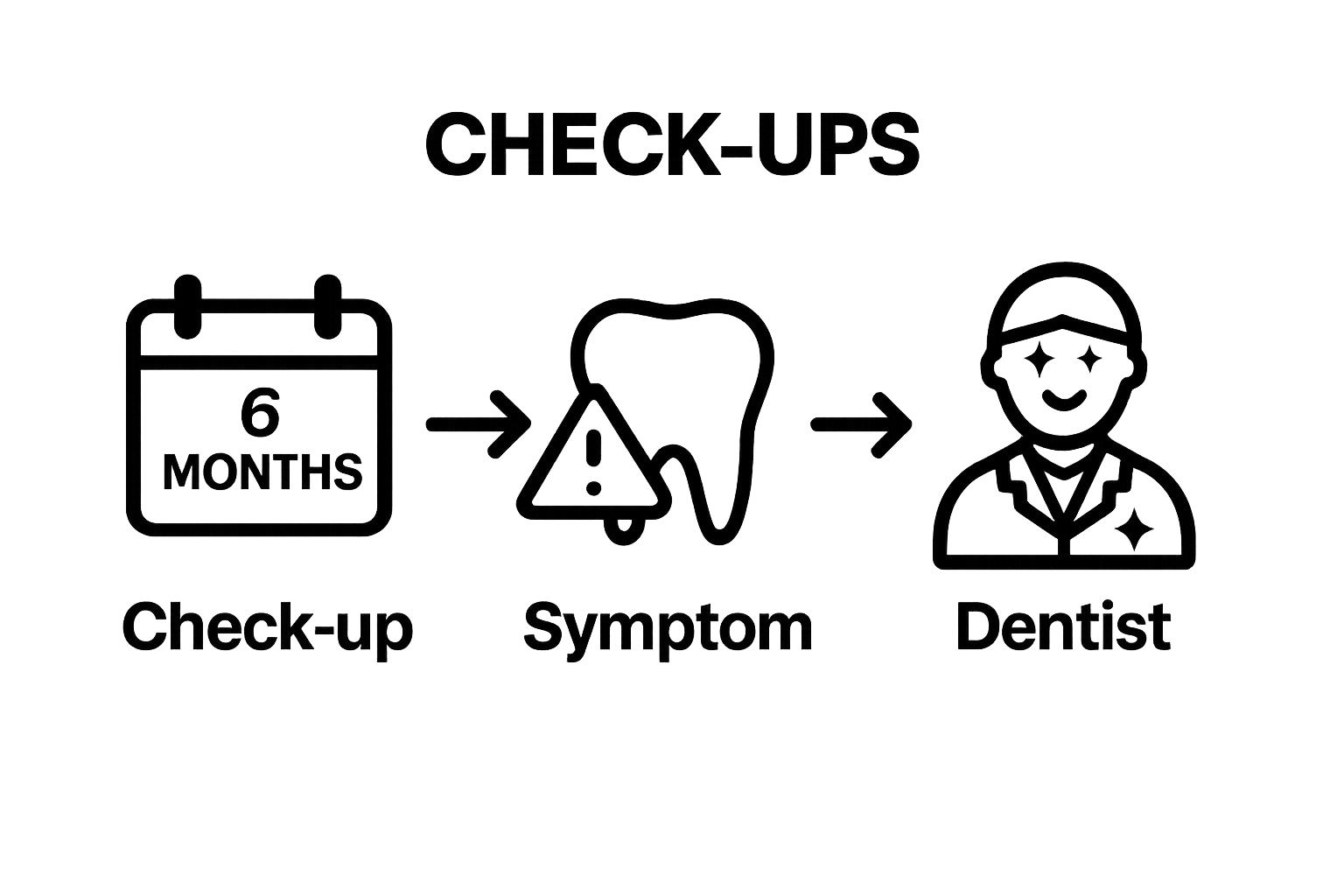
Baseline recommendations suggest different check-up frequencies based on risk profiles. For patients with excellent oral hygiene and minimal health complications, biannual check-ups (every six months) are typically sufficient. However, individuals with complex medical histories, active dental issues, or compromised immune systems might need quarterly or even more frequent professional evaluations.
Specific risk factors that influence check-up frequency include:
- Pregnancy and hormonal changes
- Chronic medical conditions like diabetes
- Family history of dental diseases
- Smoking or alcohol consumption
- Medications affecting oral health
- Existing dental work like implants or crowns
When scheduling your check-ups, consider creating a dedicated dental health calendar. This proactive approach helps track appointments, monitor potential changes in your oral health, and ensures you maintain consistent preventive care. Many dental clinics offer reminder services or digital scheduling tools that can help you stay on top of your recommended check-up intervals.
Ultimately, the goal is to establish a personalised dental care rhythm that prevents potential issues before they become complex treatments.
This comparison table outlines how different personal risk factors should influence the timing and frequency of your dental check-ups.
| Risk Factor | Suggested Check-up Frequency | Rationale |
|---|---|---|
| Good oral health, no major issues | Every 6 months | Maintains health, detects early problems |
| History of periodontal disease | Every 3-4 months | Monitors ongoing risk, prevents recurrence |
| Diabetes or chronic conditions | Every 3-4 months | Medical conditions influence oral health resilience |
| Smoking or high sugar consumption | Every 3-4 months | Higher chance of gum disease, decay |
| Pregnant or major hormonal changes | As advised by dentist | Hormonal shifts heighten risk of certain problems |
| Extensive dental work (crowns etc.) | Every 6 months or advised | Monitors longevity and function |
| Consult with your dental professional to develop a tailored check-up strategy that aligns with your unique health profile and lifestyle needs. |
Step 4: Determine the Right Timing for Cosmetic Procedures
Cosmetic dental procedures represent a strategic investment in your personal confidence and oral health, requiring careful timing and consideration. Successful cosmetic interventions depend not just on the procedure itself, but on selecting the optimal moment for treatment. Your overall health, lifestyle commitments, financial readiness, and personal goals must align to ensure the best possible outcomes.
Begin by conducting a comprehensive personal assessment that evaluates your current oral health status, lifestyle demands, and aesthetic objectives. Professional cosmetic dental treatments demand periods of minimal disruption, so consider scheduling during professional lulls or personal downtime. Learn more about orthodontic treatment timelines to understand how different procedures might impact your daily routine.
Critical timing considerations include seasonal variations, personal recovery capacity, and potential lifestyle interruptions. Procedures like teeth whitening, veneers, or complex smile reconstructions require strategic planning. Summer months might offer more flexible schedules, while winter periods could provide extended recovery opportunities with fewer social engagements.
Key factors influencing cosmetic procedure timing include:
- Upcoming significant life events
- Work and travel commitments
- Personal health insurance coverage
- Seasonal variations in personal schedule
- Anticipated recovery and healing periods
Budgetary planning plays an equally important role in determining procedure timing. Many dental clinics offer flexible payment plans and seasonal promotions, allowing you to strategically schedule treatments when financial resources are most accommodating. Consultation with your dental professional can help you understand the full scope of potential treatments, their associated costs, and the most appropriate timing for your specific circumstances.
Remember that cosmetic dental procedures are not just about aesthetic transformation but represent a holistic approach to personal wellness. Patience, thorough research, and professional guidance will ensure you achieve the most satisfying and sustainable results.
Step 5: Assess Emergency Situations Promptly
Dental emergencies can escalate quickly, transforming a manageable situation into a complex medical challenge within hours. Recognising and responding to urgent dental conditions requires a systematic and immediate approach that prioritises both professional intervention and personal safety.
The first critical step in managing a dental emergency involves conducting a rapid but thorough self-assessment. Severe symptoms demanding immediate professional attention include uncontrolled bleeding, significant facial swelling, extreme pain that prevents normal functioning, or traumatic dental injuries resulting from accidents or physical impact. Explore our emergency dental services to understand the comprehensive care available during urgent situations.
Developing a clear action plan before an emergency occurs can significantly reduce stress and response time. Keep a designated emergency dental contact readily available, preferably saved in your mobile phone and written in an accessible location at home. Understanding the difference between urgent and non-urgent dental issues helps you make informed decisions about seeking immediate care.
Critical steps during a dental emergency include:
- Remain calm and assess the severity of the situation
- Control bleeding using clean gauze or cloth
- Preserve any dislodged dental fragments or teeth
- Apply cold compresses to reduce swelling
- Contact your dental professional immediately
Documenting the emergency details becomes crucial for proper treatment. Take clear photographs of the affected area if possible, noting the time of injury, any associated symptoms, and circumstances surrounding the incident. This information provides your dental professional with valuable context for developing an appropriate treatment strategy.
Remember that dental emergencies rarely resolve themselves spontaneously. Prompt professional intervention can prevent long-term complications, reduce potential infection risks, and minimise additional medical expenses. Trust your instincts and seek professional guidance when experiencing unusual or severe dental symptoms.
Step 6: Confirm Insurance Coverage and Provider Details
Navigating dental insurance coverage can feel like traversing a complex maze, but understanding your benefits is crucial for managing both your oral health and financial expectations. Comprehensive insurance verification is more than a bureaucratic step it is a strategic approach to maximising your dental care potential.
Begin by thoroughly reviewing your current health insurance policy documents, paying close attention to dental coverage specifics. Many individuals overlook critical details such as waiting periods, annual limits, and specific procedure inclusions. Check our comprehensive dental services guide to understand how different treatments might interact with your insurance coverage.
Proactive communication with your insurance provider is key to avoiding unexpected financial surprises. Contact your insurance representative directly, preferably with your policy number and a list of potential dental procedures you anticipate. Request a detailed breakdown of covered services, out-of-pocket expenses, and any pre-authorization requirements for specialized treatments.
Critical information to confirm during your insurance review includes:
- Specific dental procedures covered under your plan
- Annual maximum benefit limit
- Percentage of coverage for different treatments
- Waiting periods for specific procedures
- Network of approved dental providers
Maintain a systematic approach by creating a dedicated folder or digital document to track all insurance communications. Documentation becomes crucial if you need to dispute a claim or seek clarification about your coverage. Many insurance providers now offer online portals where you can access real-time information about your benefits, making the verification process more streamlined and transparent.
Remember that dental insurance is an evolving landscape. Annual policy reviews, understanding your entitlements, and maintaining open communication with both your insurance provider and dental clinic will ensure you receive the maximum possible benefit while maintaining optimal oral health.
Ready to Take Control of Your Dental Health in 2025?
You have just explored when to visit the dentist and why timing matters for your oral health. If you have been struggling with uncertainty about symptoms, risk factors or when to act on your dental needs, Paynless Dental is here to help. Our clinics across Toongabbie and North Ryde offer tailored solutions for everything from routine check-ups to advanced care like dental implants. You deserve peace of mind knowing you will receive premium treatment from professionals who understand your history and priorities.
This is the perfect time to turn your knowledge into action. Do not wait until minor issues become major emergencies. Book your appointment now through Paynless Dental’s main site and experience comfort-focused, next-generation dentistry that keeps your wellness and convenience at the centre. Take the next step towards a healthy smile and let our Toongabbie or North Ryde teams support your 2025 dental goals.
Frequently Asked Questions
When should I schedule my next dental check-up?
You should schedule your next dental check-up based on your individual risk factors, including your oral health history, lifestyle habits, and any existing dental conditions. Generally, biannual check-ups are recommended for those with good oral hygiene, while individuals with higher risk factors may need more frequent visits.
What symptoms indicate I need to visit the dentist immediately?
Symptoms that indicate an urgent need to visit the dentist include severe toothaches, uncontrolled bleeding, significant facial swelling, and traumatic dental injuries. Any persistent pain or changes in your oral health that do not resolve should also be evaluated professionally.
How can I prepare for a cosmetic dental procedure?
Preparing for a cosmetic dental procedure involves assessing your oral health status, considering your lifestyle commitments, and planning your treatment for minimal disruption. Consulting with your dental professional about timing, budgeting, and recovery expectations is also crucial for achieving the best results.
What information do I need to provide about my oral health history?
When visiting the dentist, provide a detailed oral health history that includes past dental treatments, ongoing concerns, family health background, and any medications or chronic conditions you have. This information helps your dentist create a tailored treatment plan for your needs.
Recommended
- The Ultimate Guide to Finding the Best Dentist in Blacktown for Your Oral Health Needs – Paynless Dental Clinic
- The Ultimate Guide to Finding the Best Dentist in Blacktown for Your Oral Health Needs – Paynless Dental Clinic
- How to Choose a Dentist for Your Family’s Needs – Paynless Dental Clinic
- Top Dental Care in Toongabbie: Routine, Cosmetic & Emergency Services