
Most Australians underestimate the real risks of dental trauma, even though over 30 percent of children experience some form of oral injury before adulthood. Everyday incidents at home, playground mishaps, or intense sporting events can all result in lasting dental problems. Understanding the true definition of dental trauma matters for everyone because untreated injuries may quietly cause infections or permanent tooth loss. This overview reveals common myths and must-know facts so Australian families can protect their oral health with confidence.
Table of Contents
- What Is Dental Trauma? Definition And Myths
- Common Types Of Dental Injuries Explained
- Recognising Symptoms And Causes Of Dental Trauma
- Immediate First Aid And Emergency Dental Care
- Long-Term Effects And Prevention Strategies
Key Takeaways
| Point | Details |
|---|---|
| Understanding Dental Trauma | Dental trauma includes a range of injuries to teeth and gums, from minor chips to severe dislocations, necessitating prompt professional evaluation to prevent long-term issues. |
| Addressing Common Myths | Misconceptions around dental trauma, such as the insignificance of baby teeth injuries, can lead to neglect; proper understanding is crucial for effective care. |
| Recognising Symptoms | Visible damage, bleeding, and pain are key indicators of dental trauma that warrant immediate professional attention. |
| Importance of Prevention | Wearing protective gear during high-risk activities and regular dental check-ups can significantly reduce the risk of dental injuries and their potential long-term effects. |
What Is Dental Trauma? Definition And Myths
Dental trauma represents physical damage to the teeth, gums, and surrounding oral structures that can occur unexpectedly during daily activities. These injuries range from minor chips and cracks to severe displacement or complete tooth dislocation, often resulting from accidents, sports impacts, or unexpected falls. Understanding the nuanced definition is crucial for appropriate response and treatment.
According to health experts, dental trauma encompasses a wide spectrum of oral injuries that can affect both children and adults. Contrary to popular misconceptions, these injuries are not always immediately apparent and can have long-term consequences if left untreated. For instance, a seemingly minor chip might expose sensitive dental nerves or create pathways for potential infection.
One prevalent myth surrounding dental trauma is that baby teeth injuries are inconsequential. However, dental research reveals that damage to primary teeth can significantly impact the development and alignment of permanent teeth. Some common myths and realities include:
- Myth: Knocked-out baby teeth should always be reinserted
- Reality: Reimplanting baby teeth can potentially harm developing permanent teeth
- Myth: Minor tooth chips are purely cosmetic concerns
- Reality: Even small fractures can lead to nerve damage and increased infection risk
Recognising the signs of dental trauma and seeking prompt professional assessment at a dental clinic like Paynless Dental is essential for preventing potential long-term oral health complications. Professional evaluation can help determine the extent of injury and develop an appropriate treatment strategy.
Common Types Of Dental Injuries Explained
Dental injuries can manifest in various complex ways, presenting unique challenges for dental professionals and patients alike. These traumatic incidents range from seemingly minor surface-level damage to severe structural compromises that require immediate professional intervention. Understanding the spectrum of potential injuries helps individuals recognise the importance of prompt and appropriate dental care.
According to health experts, dental trauma typically encompasses several distinct injury categories:
- Chipped Teeth: Surface-level damage causing partial tooth structure loss
- Cracked Teeth: Structural fractures potentially extending into tooth roots
- Displaced Teeth: Teeth shifted from their original position
- Knocked-Out Teeth: Complete tooth dislocation from dental socket
The severity and location of dental trauma significantly influence treatment approaches. A small chip might require minimal cosmetic repair, while a completely knocked-out tooth demands immediate professional intervention to prevent permanent tooth loss. Sports-related impacts, accidental falls, and unexpected collisions represent common mechanisms of dental injury, with tooth extraction services often playing a crucial role in managing complex trauma cases.

Professional dental assessment becomes paramount when experiencing any form of dental injury. Even seemingly minor damages can create pathways for potential infection or compromise tooth structural integrity. Athletes, children, and individuals engaged in high-impact activities should prioritise protective measures and understand the potential long-term implications of dental trauma.
Recognising Symptoms And Causes Of Dental Trauma
Dental trauma represents a complex medical condition with multiple potential symptoms and triggers that can significantly impact oral health. Understanding these indicators helps individuals recognise potential injuries and seek timely professional intervention, preventing long-term complications and preserving dental functionality.
According to health research, symptoms of dental trauma typically include:
- Visible Damage: Cracked, chipped, or broken teeth
- Soft Tissue Indicators: Bleeding from the mouth or swelling of lips and gums
- Pain Responses: Acute or persistent toothache
- Mobility Issues: Difficulty opening or closing the mouth
- Structural Changes: Teeth shifted from original positioning
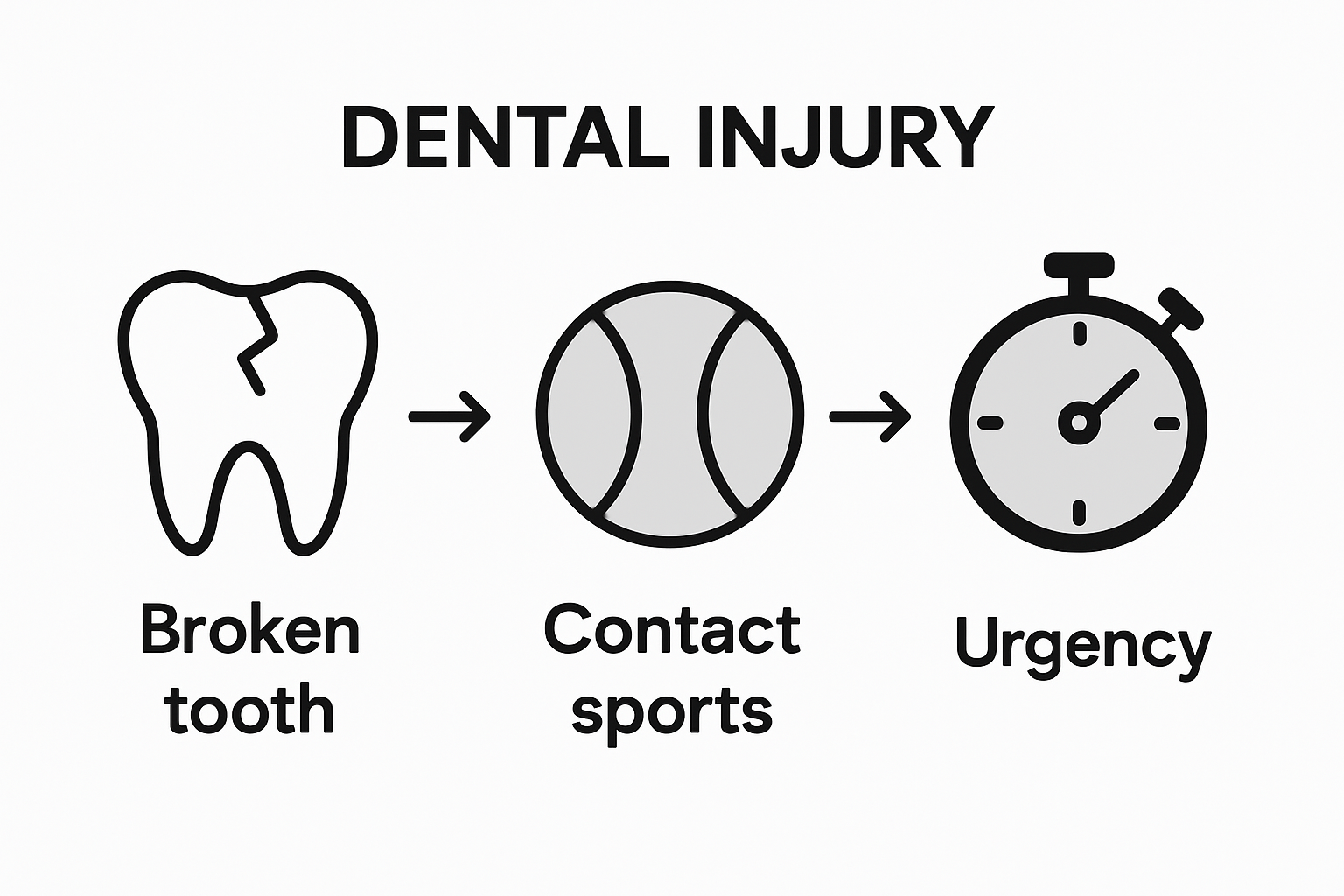
The causes of dental injuries are remarkably diverse, spanning everyday activities and high-risk environments. Contact sports like basketball, football, and hockey represent particularly vulnerable scenarios, where rapid impacts and potential collisions dramatically increase injury risks. Other common mechanisms include accidental falls, unexpected facial impacts, and biting down on unexpectedly hard objects.
Professional dental services become crucial when experiencing any combination of these symptoms. Prompt assessment can prevent potential long-term complications, such as nerve damage, tooth loss, or structural misalignments. Athletes, children, and individuals engaged in physical activities should prioritise protective equipment and maintain heightened awareness of potential dental injury risks.
Immediate First Aid And Emergency Dental Care
Dental emergencies demand swift, calculated responses that can significantly influence long-term oral health outcomes. Understanding precise first aid techniques transforms potential catastrophic injuries into manageable situations, potentially saving teeth and preventing extensive medical complications.
Dental emergency protocols require specific actions depending on the injury type. For knocked-out adult teeth, critical steps include:
- Gently rinse the tooth if visibly dirty
- Attempt careful reinsertion into its original socket
- If reinsertion isn’t possible, preserve tooth moisture
- Keep tooth in milk
- Alternatively, store in patient’s saliva
- Seek immediate professional dental care
Different dental traumas necessitate unique immediate responses. Chipped teeth require gentle cleaning and temporary protection, while fractured teeth demand immediate professional assessment. Emergency dentist services become crucial in managing these time-sensitive situations, providing rapid intervention to mitigate potential long-term damage.
Time is the most critical factor in dental trauma management. Patients experiencing dental injuries should remain calm, act quickly, and prioritise professional medical assessment. Preserving tooth integrity through prompt, knowledgeable action can mean the difference between saving and losing a tooth, making immediate first aid knowledge an essential life skill.
Long-Term Effects And Prevention Strategies
Dental trauma represents more than an immediate medical concern, potentially creating complex long-term health challenges that extend far beyond the initial injury. Understanding the potential cascading effects helps individuals appreciate the critical nature of comprehensive oral care and proactive prevention strategies.
Untreated dental injuries can trigger severe complications, with external inflammatory resorption emerging as a particularly dangerous consequence. This condition progressively destroys tooth root structures, potentially leading to complete tooth loss if not professionally managed. Key long-term risks include:
- Permanent nerve damage
- Structural tooth degradation
- Increased susceptibility to infections
- Potential misalignment of dental structures
- Compromised immune response in oral tissues
Preventive strategies are fundamental in mitigating these risks. Professional recommendations emphasise:
- Wearing custom-fitted mouthguards during sports
- Regular dental check-ups
- Immediate professional assessment after potential trauma
- Using protective equipment in high-risk activities
Comprehensive dental care involves understanding that prevention is substantially more effective than treatment. Patients must remain vigilant, recognising that seemingly minor injuries can cascade into significant long-term health challenges if neglected. Professional dental guidance becomes an essential partnership in maintaining optimal oral health and preventing potential future complications.
Protect Your Smile With Expert Care After Dental Trauma
Experiencing dental trauma can be frightening and painful but understanding your options is the first step toward recovery. Whether you face a chipped, cracked, or knocked-out tooth, prompt professional care is crucial to prevent long-term damage such as permanent nerve injury or tooth loss. At Paynless Dental, we highly recommend a thorough assessment so we can tailor treatment to your needs using our advanced oral surgery and restorative solutions.
Don’t wait for complications to develop. Our clinics in Toongabbie and North Ryde provide expert emergency care, root canal treatment, and dental implant services designed to restore your smile’s strength and function. Discover how root canal therapy can save damaged teeth or explore our comprehensive implant options to replace teeth lost from injury. Book an appointment now through Paynless Dental for personalised care that puts your oral health first and helps you return to life confidently.
Frequently Asked Questions
What is dental trauma?
Dental trauma refers to physical damage to the teeth, gums, and surrounding oral structures, which can occur from accidents, sports impacts, or falls. Injuries can range from minor chips to complete tooth dislocation.
What are the common symptoms of dental trauma?
Common symptoms include visible damage such as cracks or chips, bleeding from the mouth, pain or toothache, difficulty opening or closing the mouth, and teeth that are shifted from their original position.
How should I respond to a knocked-out tooth?
If a tooth is knocked out, gently rinse it if dirty, attempt to reinsert it into its socket, or keep it moist in milk or saliva. Seek immediate professional dental care for the best chance of saving the tooth.
What are the long-term effects of untreated dental trauma?
Untreated dental injuries can lead to significant long-term complications such as permanent nerve damage, structural degradation of teeth, increased infection risks, and misalignment of dental structures.
Recommended
- A Comprehensive Guide to Dental Implants: Types, Procedure, and Aftercare – Paynless Dental Clinic
- The Ultimate Guide to Finding the Best Dentist in Blacktown for Your Oral Health Needs – Paynless Dental Clinic
- Pain-Free Tooth Extraction Services in Toongabbie by Experts – Paynless Dental Clinic
- Trusted Toongabbie Dentist for All Your Dental Care Needs – Paynless Dental Clinic
- How We Treat: TMJ and Jaw Pain
- TMJ Disorders: Complete Guide to Jaw, Neck, and Nervous System