
Most people reckon dental crowns are just fancy caps for damaged teeth and that is true to a point. But the stats might surprise you. A well-cared-for ceramic crown can easily last up to 15 years and a metal alloy crown could see you through 20 years or more. Turns out, they are less about being a temporary fix and more about acting as long-term guardians for your smile.
Table of Contents
- What Are Dental Crowns And Their Purpose?
- Factors Influencing The Longevity Of Crowns
- The Materials Used In Crowns And Their Durability
- The Importance Of Aftercare And Regular Check-Ups
- Common Misconceptions About Crown Lifespan
Quick Summary
| Takeaway | Explanation |
|---|---|
| Dental crowns strengthen damaged teeth. | Crowns serve as protective covers, reinforcing weak or broken teeth to prevent further damage. |
| Material selection impacts crown durability. | Different materials like porcelain and zirconia offer varying lifespans and benefits, influencing overall performance and aesthetics. |
| Consistent oral hygiene extends crown life. | Regular brushing, flossing, and dental check-ups can significantly enhance the longevity of dental crowns. |
| Professional installation is crucial. | Expert fitting of crowns minimizes complications and ensures optimal performance throughout their lifespan. |
| Regular check-ups are essential for crown maintenance. | Routine dental assessments help identify potential issues early, preventing premature crown failure and maintaining oral health. |
What Are Dental Crowns and Their Purpose?
Dental crowns are custom-made protective covers designed to restore and strengthen damaged teeth. At Paynless Dental, we understand these prosthetic solutions are crucial for maintaining optimal oral health and functionality. Dental crowns essentially act like a protective helmet for compromised teeth, encasing the entire visible portion of a tooth above the gum line.
Understanding the Core Function of Dental Crowns
These precision-crafted restorations serve multiple critical purposes in dental care. When a tooth has been significantly weakened by decay, fracture, or extensive dental work, a crown provides structural reinforcement and prevents further damage. Learn more about our advanced dental restoration techniques.
Key purposes of dental crowns include:
- Protecting weak teeth from potential fractures
- Restoring already broken or severely worn down teeth
- Covering and supporting teeth with large fillings
- Holding dental bridges securely in place
- Completing dental implant treatments
Materials and Aesthetic Considerations
Modern dental crowns are fabricated from various materials, each offering unique advantages. Porcelain and ceramic crowns provide exceptional aesthetic match with natural teeth, while zirconia crowns offer superior strength and durability. According to Healthdirect Australia, the choice of material depends on the specific location of the tooth, aesthetic requirements, and functional demands.
At Paynless Dental, our expert clinicians carefully evaluate each patient’s unique dental landscape to recommend the most appropriate crown solution, ensuring both functional restoration and visual harmony with your existing dentition.
Factors Influencing the Longevity of Crowns
Understanding how long dental crowns last involves examining multiple interconnected variables that impact their durability and performance. At Paynless Dental, we recognize that crown longevity extends far beyond simple material quality explore our comprehensive dental restoration approach.
Material Quality and Composition
Dental crown materials significantly determine their potential lifespan. Different materials offer varying degrees of durability and resistance to wear. Porcelain crowns typically last 10-15 years, while zirconia and metal alloy crowns can potentially endure 20 years or more.
INFOGRAPHIC:infographic_content] According to [Healthdirect Australia, the fundamental composition directly correlates with a crown’s long-term performance.
Key material considerations include:
- Resistance to mechanical stress
- Chemical stability
- Compatibility with oral environment
- Aesthetic integration
- Thermal conductivity characteristics
Oral Hygiene and Patient Habits
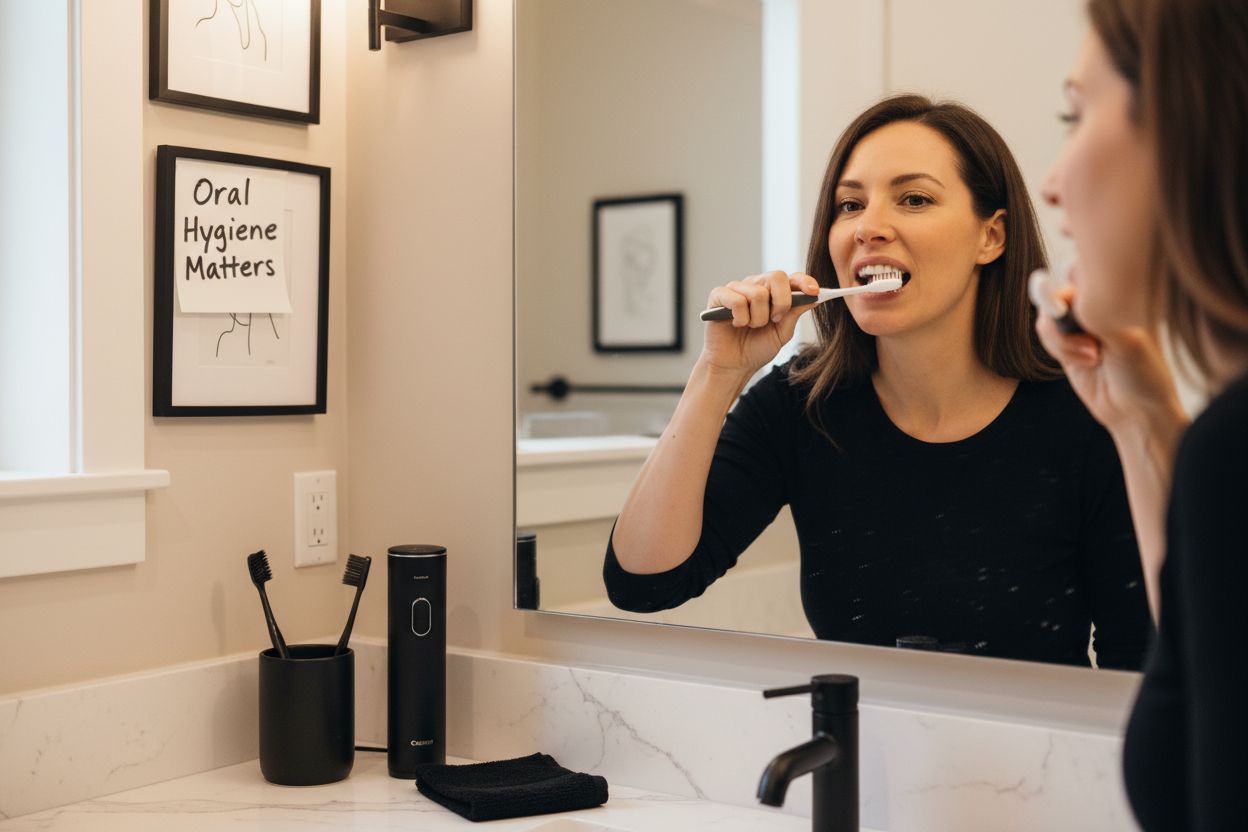
Personal dental care practices play a crucial role in extending crown longevity. Consistent oral hygiene fundamentally determines how long a dental crown will remain functional. Patients who maintain rigorous cleaning routines, including regular brushing, flossing, and professional dental check-ups, can significantly extend their crown’s lifespan.
Factors that negatively impact crown durability include:
- Aggressive teeth grinding (bruxism)
- Consuming highly acidic foods
- Irregular dental hygiene practices
- Using teeth as tools for opening packages
- Consuming excessive sugary or hard foods
Professional Maintenance and Installation Quality
The precision of initial crown placement and subsequent professional maintenance substantially influence its durability. Expert dental professionals like those at Paynless Dental ensure meticulous crown fitting, minimizing potential complications that could compromise long-term performance. Regular professional assessments allow early detection of potential issues, preventing premature crown failure and maintaining optimal oral health.
The Materials Used in Crowns and Their Durability
Dental crown materials represent a critical factor in determining their overall performance, aesthetic appeal, and long-term functionality. At Paynless Dental, we carefully select materials that provide optimal strength, durability, and natural appearance. Learn more about our advanced dental restoration techniques.
Ceramic and Porcelain Crowns
Ceramic and porcelain crowns are renowned for their exceptional aesthetic qualities. These materials offer the most natural-looking restoration, closely mimicking the translucency and colour of natural teeth. According to Healthdirect Australia, these crowns are particularly suitable for front teeth where visual appearance is paramount.
Key characteristics of ceramic and porcelain crowns include:
- Superior aesthetic match with natural teeth
- Biocompatible material
- Resistance to chemical erosion
- Moderate durability (10-15 years)
- Minimal thermal conductivity
Metal and Metal Alloy Crowns
Metal crowns, including gold alloys and base metal alloys, represent the pinnacle of durability and strength in dental restoration. These crowns excel in posterior teeth where significant biting forces are applied. Gold alloy crowns, despite being more expensive, offer remarkable longevity and minimal tooth wear.
Primary advantages of metal crowns include:
- Exceptional strength and durability
- Minimal tooth structure removal
- Resistance to fracture
- Longer lifespan (20+ years)
- Minimal wear on opposing teeth
Zirconia Crowns: The Modern Hybrid Solution
Zirconia crowns represent a cutting-edge solution combining the strength of metal with the aesthetic appeal of ceramic. These crowns offer an extraordinary balance between durability and visual harmony. They are particularly effective for patients seeking a robust, long-lasting restoration that maintains a natural appearance.
Zirconia crowns provide unique benefits such as superior fracture resistance, excellent biocompatibility, and the ability to withstand significant occlusal forces. Our expert clinicians at Paynless Dental carefully assess individual patient requirements to recommend the most appropriate crown material, ensuring optimal functional and aesthetic outcomes.
Below is a comparison table outlining the key characteristics, advantages and typical lifespans of the main dental crown materials discussed in the article.
| Crown Material | Aesthetic Quality | Durability (Years) | Key Benefits |
|---|---|---|---|
| Porcelain/Ceramic | Excellent natural match | 10-15 | Highly aesthetic, biocompatible, minimal heat transfer |
| Zirconia | Very good | 15-20+ | Strong, fracture resistant, blends strength with aesthetics |
| Metal/Alloy (Gold) | Low (metallic colour) | 20+ | Exceptional strength, minimal wear, very durable |
The Importance of Aftercare and Regular Check-Ups
Maintaining dental crowns requires a proactive approach that extends far beyond the initial installation. Comprehensive aftercare is fundamental to preserving the longevity and integrity of dental restorations. Explore our comprehensive dental care approach at our Toongabbie clinic.
Daily Oral Hygiene Practices
Precise and consistent oral hygiene plays a critical role in extending crown lifespan. Patients must adopt meticulous cleaning techniques that protect both the crown and surrounding natural tooth structure. According to Healthdirect Australia, proper oral care can significantly enhance dental restoration durability.
Key daily care recommendations include:
- Brushing twice daily with non-abrasive toothpaste
- Using soft-bristled toothbrushes
- Flossing carefully around crown margins
- Avoiding aggressive brushing techniques
- Using alcohol-free antiseptic mouthwash
Professional Monitoring and Maintenance
Regular professional dental assessments are crucial for identifying potential crown complications early. These check-ups allow dentists to detect subtle changes in crown fit, surrounding gum health, and potential structural weaknesses. Professional maintenance involves comprehensive evaluations that go beyond standard visual inspections.
Critical aspects of professional monitoring include:
- Periodic X-ray examinations
- Detailed crown margin assessments
- Evaluation of occlusal forces
- Gum health screenings
- Checking for micro-fractures or wear
Lifestyle and Protective Strategies
Beyond routine care, patients can adopt specific lifestyle modifications to protect their dental crowns. Minimizing habits that create excessive mechanical stress can dramatically extend crown longevity. This includes managing teeth grinding through custom nightguards, avoiding using teeth as tools, and being mindful of dietary choices that might compromise restoration integrity.
Our expert clinicians at Paynless Dental provide personalized guidance, ensuring patients understand the nuanced approaches required to maintain their dental investments and preserve optimal oral health.
Common Misconceptions About Crown Lifespan
Misunderstandings about dental crowns can lead patients to develop unrealistic expectations about their durability and maintenance requirements. Clearing up these misconceptions is crucial for informed dental care decisions. Discover more about our comprehensive dental restoration techniques.
Permanent Means Indestructible
One prevalent myth is that dental crowns are permanent and will never require replacement. According to Healthdirect Australia, crowns are long-lasting restorations but not completely immune to wear, damage, or degradation. Crowns are durable solutions, not immortal dental fixtures.
Key points about crown durability include:
- Typical lifespan ranges from 10-20 years
- Regular professional assessments are essential
- Material quality impacts longevity
- Individual oral habits significantly influence crown performance
- Replacement is a normal part of dental maintenance
Cost Equals Guaranteed Longevity
Another common misconception is that expensive crowns automatically guarantee extended lifespans. The price of a crown does not directly correlate with its durability. Factors such as oral hygiene, patient habits, and professional installation quality play more significant roles in determining how long a crown will remain functional.
Important considerations regarding crown quality and cost include:
- Material selection matters more than price
- Skilled installation is crucial
- Ongoing maintenance determines long-term performance
- Cheaper options can be equally effective with proper care
- Individual patient needs dictate optimal crown selection
Neglect Does Not Impact Crown Performance
Many patients erroneously believe that dental crowns are impervious to damage and do not require special care. This misconception can lead to premature crown failure and unnecessary additional dental procedures. Crowns demand the same level of attention and maintenance as natural teeth, if not more.
Here’s a table summarising some common misconceptions about dental crowns versus the actual facts according to the article.
| Misconception | Reality |
|---|---|
| Crowns are permanent and indestructible | Crowns are long-lasting but not immune to wear, needing routine replacement |
| Expensive crowns always last longer | Material and care matter more than price; even less costly crowns can be durable |
| Neglect does not impact crown performance | Poor oral hygiene and habits can lead to premature failure or dental complications |
Our expert clinicians at Paynless Dental emphasize the importance of understanding that crowns are sophisticated dental restorations requiring consistent, mindful care to maximize their potential lifespan and maintain optimal oral health.
Protect Your Smile for Years with Paynless Dental
Worried about how long your dental crowns will last? Many people are unsure whether their choice of crown material, care habits or even the fit can truly make a difference to crown longevity. At Paynless Dental, we see a lot of patients concerned about chips, worn crowns or simply wanting to avoid expensive repeat treatments. You deserve peace of mind and a confident smile that lasts.
Our dentists use leading technology and carefully selected materials like porcelain and zirconia to deliver durable and natural-looking crowns. We offer comprehensive solutions including Single Tooth Implants, Porcelain Crowns and even CEREC same-day options. Each step, from placement to ongoing care, is designed to help you maintain your crown and protect your overall oral health. Ready for personalised dental care that extends the life of your crowns? See how our Toongabbie Clinic and North Ryde Clinic can help you achieve lasting results. Visit Paynless Dental to book your tailored consultation today.
Frequently Asked Questions
How long do dental crowns typically last?
Dental crowns generally last between 10 to 20 years, depending on factors such as the material used and the patient’s oral hygiene practices.
What factors influence the lifespan of a dental crown?
The longevity of a dental crown is influenced by material quality, oral hygiene habits, the presence of teeth grinding, and the precision of the initial crown installation.
Do different materials affect the durability of dental crowns?
Yes, different materials offer varying levels of durability. For instance, zirconia and metal crowns often last longer than porcelain crowns, which typically endure for about 10-15 years.
Can I take steps to extend the lifespan of my dental crown?
Absolutely! Maintaining good oral hygiene, visiting your dentist regularly for check-ups, and avoiding habits like teeth grinding can significantly extend the lifespan of your dental crown.
Recommended
- The Ultimate Guide to Dental Veneers: Transform Your Smile with Veneers – Paynless Dental Clinic
- A Comprehensive Guide to Dental Implants: Types, Procedure, and Aftercare – Paynless Dental Clinic
- The Ultimate Guide to Finding the Best Dentist in Blacktown for Your Oral Health Needs – Paynless Dental Clinic
- Dental Crowns Lane Cove: Affordable & Durable Solutions
- Understanding Roof Lifespan Factors for Homeowners – Liberty Roofworks