
Dealing with a throbbing toothache can turn even a chilled day into a proper nightmare. Most people reach for painkillers or ice, hoping for quick relief. But here’s the wild bit. Something as simple as a salt water rinse or a drop of clove oil can calm the pain just as well—and sometimes even better—than over-the-counter meds. You might be surprised how a few basic tricks can offer serious comfort while you figure out what’s actually going on with your tooth.
Table of Contents
- Step 1: Identify The Source Of Your Toothache
- Step 2: Gather Essential Home Remedies
- Step 3: Apply Immediate Pain Relief Techniques
- Step 4: Implement Ongoing Care Strategies
- Step 5: Monitor Symptoms And Assess Effectiveness
Quick Summary
| Key Point | Explanation |
|---|---|
| 1. Identify the source of your pain | Assess the characteristics of your toothache to understand its cause, determining the need for home remedies or professional care. |
| 2. Assemble a home remedy kit | Gather over-the-counter medications and natural remedies like salt water and clove oil for immediate pain relief while awaiting dental care. |
| 3. Implement pain relief techniques | Use gentle methods like salt water rinses and cold compresses to manage discomfort, ensuring you don’t aggravate the affected area. |
| 4. Maintain good oral hygiene | Follow a rigorous oral care routine with soft brushes and avoid foods that could worsen pain, supporting long-term dental health. |
| 5. Monitor symptoms closely | Record the characteristics and intensity of pain to evaluate the effectiveness of home remedies and know when to seek professional help. |
Step 1: Identify the Source of Your Toothache
Understanding the root cause of your toothache is crucial for effective home relief and preventing potential complications. Dental discomfort can stem from various issues, each requiring a slightly different approach to management. Before attempting any home remedies, you’ll want to carefully assess the specific characteristics of your tooth pain.
Start by conducting a thorough personal examination of your tooth and surrounding area. Sharp, sudden pain might indicate a cavity or tooth fracture, while persistent throbbing could suggest an infection or abscess. Pay close attention to specific triggers that intensify the discomfort. Does the pain worsen when you consume hot or cold beverages? Does biting or chewing cause additional sharp sensations? These details provide critical insights into the potential underlying problem.
Carefully inspect your tooth in a well-lit area using a mirror. Look for visible signs of damage such as chips, cracks, or noticeable decay. Gently press around the painful area to determine the precise location of the discomfort. Swelling, redness, or a small bump near the tooth root might signal an infection that requires more urgent attention. If you notice any significant swelling, persistent bleeding, or fever, it’s recommended to consult our emergency dental services rather than attempting home treatment.
Key signs to document during your self-examination include:
- Location and intensity of pain
- Duration of discomfort
- Specific triggers that increase pain
- Visible tooth or gum abnormalities
- Presence of swelling or sensitivity
Remember that home remedies are temporary solutions. While they can provide short-term relief, persistent or severe tooth pain requires professional dental evaluation. Your detailed observations will help dental professionals accurately diagnose and treat the underlying condition more effectively.
Once you’ve completed a thorough assessment, you’ll be better prepared to select appropriate home relief strategies tailored to your specific dental issue. The next steps will focus on managing your symptoms and providing targeted pain reduction techniques.
To help you identify the source of your toothache and track warning signs, this checklist table allows for organised monitoring of key symptoms and observations as discussed in the self-examination advice.
| Symptom/Observation | What to Record | Why It Matters |
|---|---|---|
| Location and intensity of pain | Where and how severe | Helps locate the affected tooth/area |
| Duration of discomfort | How long pain lasts | Assesses urgency and progression |
| Specific pain triggers | Activities or foods causing pain | Narrows down potential causes |
| Visible tooth/gum abnormalities | Chips, cracks, swelling, bumps | Identifies issues needing attention |
| Swelling or sensitivity | Presence and changes | Can signal infection or abscess |
| Response to home remedies | Relief after using remedies | Gauges effectiveness of your approach |
| Changes in symptoms over time | New or worsening issues | Indicates need for professional review |
Step 2: Gather Essential Home Remedies
After identifying the source of your toothache, assembling the right home remedies becomes critical for managing pain and providing temporary relief. Your home remedy kit should include both over-the-counter medications and natural solutions that can help reduce inflammation and provide comfort while you await professional dental treatment.
Start by collecting basic pain management supplies from your medicine cabinet or local pharmacy. Ibuprofen or acetaminophen are excellent first-line treatments for dental pain, helping to reduce inflammation and block pain signals. If you have sensitive stomach issues, acetaminophen might be the gentler option. Purchase a fresh bottle and ensure the medication is within its expiration date. Keep the recommended dosage instructions nearby and never exceed the maximum daily recommended amount.
Next, gather natural remedies that can provide additional relief. Clove oil stands out as a remarkable natural analgesic with antimicrobial properties. When applied carefully to the affected area, it can help numb pain and reduce bacterial growth. Prepare a small cotton swab or clean finger to apply the oil precisely. Salt water is another powerful, readily available remedy. Mix one-half teaspoon of table salt into a cup of warm water, creating a gentle disinfecting rinse that can help reduce swelling and clean the affected area.
Essential items for your toothache home relief kit include:
- Over-the-counter pain medication (ibuprofen or acetaminophen)
- Pure clove oil
- Table salt
- Clean cotton swabs
- Soft-bristled toothbrush
- Dental floss
- Cold compress or ice pack
While assembling your remedies, remember that these are temporary solutions. Our emergency dental services can provide comprehensive care if your tooth pain persists or worsens. Store your remedies in an easily accessible location, ensuring they remain clean and within their recommended storage conditions. By preparing these items in advance, you’ll be ready to manage your toothache effectively and provide yourself with immediate, soothing relief.
Below is a table summarising the essential items for your toothache home relief kit, capturing their purpose and application as described in the article.
| Item | Purpose | Application Notes |
|---|---|---|
| Ibuprofen or acetaminophen | Reduces pain and inflammation | Follow dosage instructions; do not exceed limit |
| Pure clove oil | Natural analgesic and antimicrobial | Apply sparingly to affected area with swab |
| Table salt | Used for soothing and disinfectant rinses | Dissolve in warm water for gentle mouth rinses |
| Clean cotton swabs | Precise application of clove oil | Use to dab oil onto tooth and gum |
| Soft-bristled toothbrush | Maintains oral hygiene, gentle on gums | Brush carefully to avoid worsening pain |
| Dental floss | Removes debris between teeth | Floss gently, avoiding the sore area if necessary |
| Cold compress or ice pack | Reduces swelling and numbs pain | Apply externally with a towel for short intervals |
Step 3: Apply Immediate Pain Relief Techniques
With your remedies assembled, it’s time to strategically apply pain relief techniques that can provide immediate comfort and reduce dental discomfort. The key is to work systematically and gently, ensuring you don’t cause additional irritation to the already sensitive area.
Begin by creating a salt water rinse, which serves as a natural disinfectant and pain reducer. Dissolve one-half teaspoon of salt in a warm cup of water, stirring until completely mixed. Take a small mouthful and swish gently around the affected tooth for approximately 30 seconds, focusing on the area of pain without aggressive movement. The warm salt solution helps reduce inflammation, clean the area, and provide temporary numbing relief. Spit the solution out carefully and repeat this process 2-3 times throughout the day.
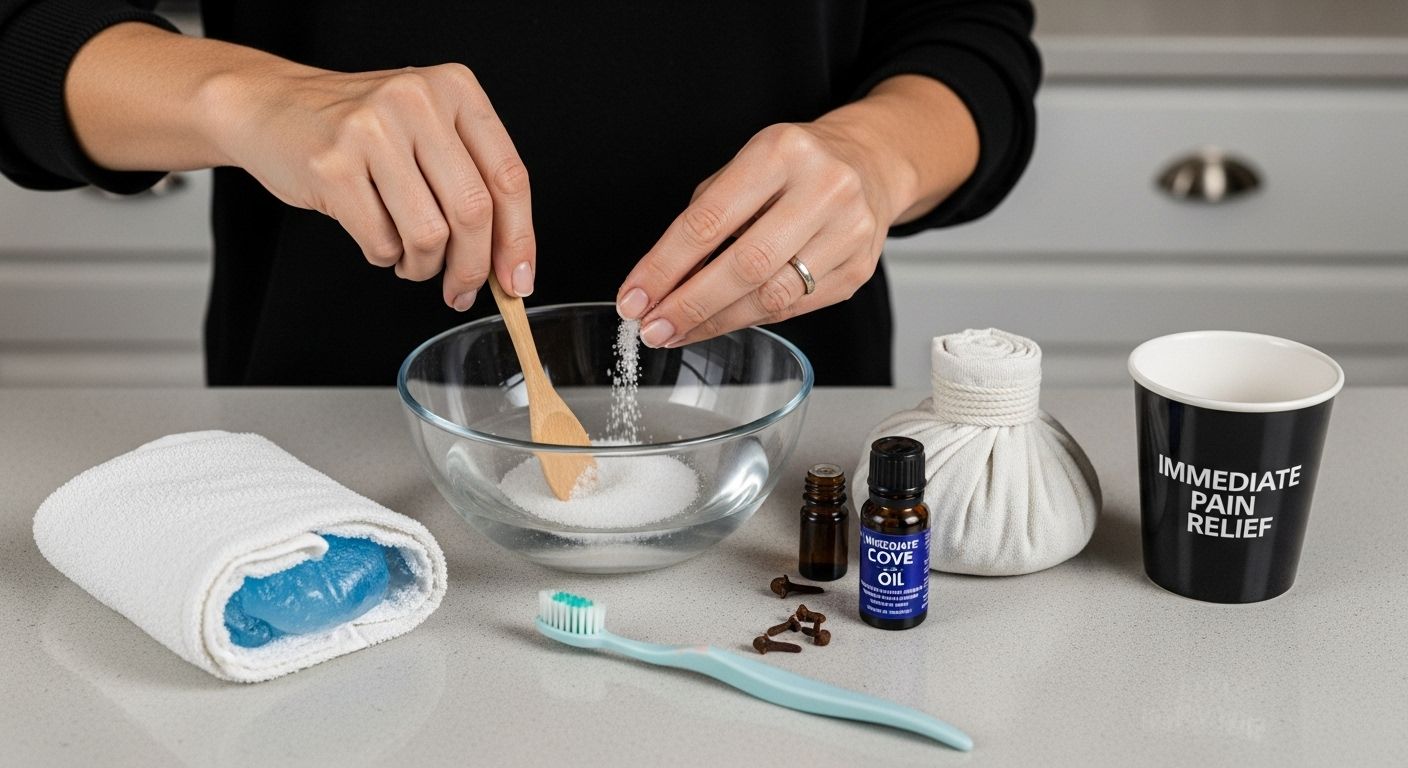
Next, apply a cold compress to the external cheek area near the painful tooth. Wrap ice or a cold pack in a thin towel to prevent direct skin contact, which could cause additional discomfort. Hold the compress against your cheek for 15-20 minute intervals, with 10-minute breaks between applications. This technique helps reduce swelling, numb pain receptors, and slow blood flow to the affected area.
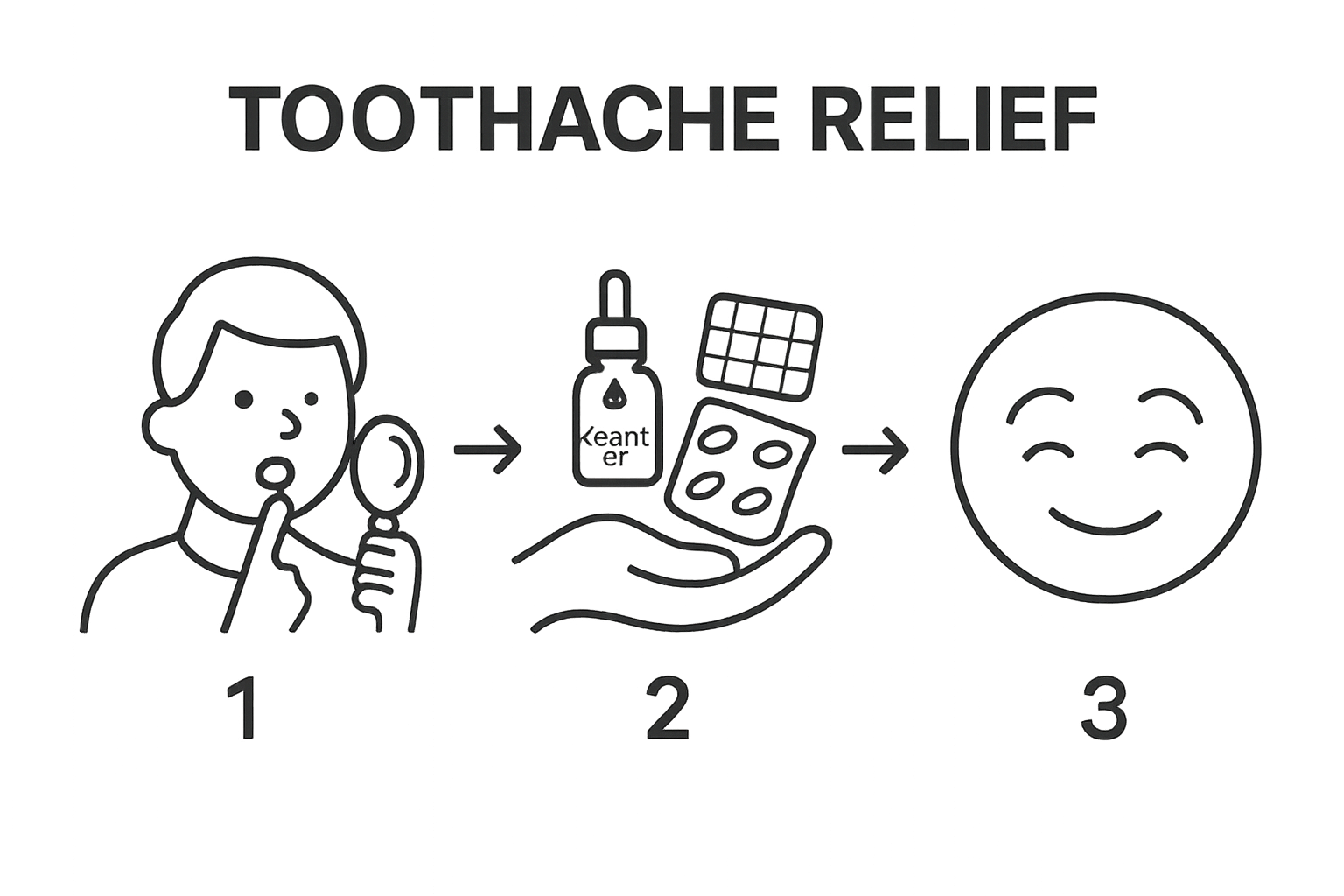
If you’re experiencing significant facial swelling, the cold compress becomes especially important in managing inflammation.
Key application techniques for immediate relief include:
- Gentle salt water rinses every few hours
- Precise cold compress application
- Careful clove oil spot treatment
- Measured over-the-counter pain medication
For targeted relief, consider using clove oil as a natural analgesic. Dip a clean cotton swab into the oil and carefully apply a small amount directly to the painful tooth and surrounding gum area. The eugenol in clove oil provides natural numbing and antibacterial properties. Be cautious and use sparingly, as excessive application can cause additional irritation.
Our emergency dental team recommends monitoring your symptoms closely. If pain persists beyond 24-48 hours or becomes increasingly severe, professional intervention becomes necessary. Remember that these home techniques provide temporary relief and are not substitutes for professional dental treatment.
Step 4: Implement Ongoing Care Strategies
Ongoing care is essential to prevent further dental complications and manage your toothache effectively. This step focuses on creating a comprehensive approach that addresses both immediate pain management and long-term oral health maintenance. Your goal is to support healing while protecting against future dental issues.
Begin by establishing a rigorous oral hygiene routine that goes beyond your current pain management efforts. Invest in a soft-bristled toothbrush that can clean sensitive areas without causing additional irritation. Brush gently but thoroughly, using circular motions and paying extra attention to the affected tooth. Choose a toothpaste designed for sensitive teeth, which typically contains ingredients that help block pain signals and protect tooth enamel. When flossing, use a gentle technique, carefully navigating around the painful area to remove debris without causing additional discomfort.
Dietary modifications play a crucial role in ongoing toothache management. Temporarily adjust your diet to avoid extreme temperatures and foods that might trigger pain. Opt for soft, lukewarm foods that require minimal chewing. Cold treats like smoothies or room temperature soups can provide nutrition without causing additional dental stress. Avoid sugary, acidic, and hard foods that might exacerbate your existing tooth pain or create additional dental complications. Staying hydrated with water helps maintain oral moisture and supports overall healing processes.
Essential ongoing care strategies include:
- Consistent gentle oral hygiene
- Dietary modifications
- Regular pain monitoring
- Stress reduction techniques
- Careful medication management
Maintain a detailed pain journal to track your symptoms and recovery progress. Note the intensity of pain, duration of discomfort, and effectiveness of different relief techniques. This documentation becomes valuable information if you need to consult our emergency dental services. Pay attention to any changes in pain characteristics, such as increased intensity, new symptoms, or spreading discomfort, which might indicate a more serious underlying condition requiring professional intervention.
Remember that home care strategies are temporary solutions. Persistent or worsening tooth pain demands professional dental evaluation. Your ongoing care approach should balance immediate relief with a proactive mindset toward comprehensive dental health.
Step 5: Monitor Symptoms and Assess Effectiveness
The final stage of managing your toothache involves carefully tracking your symptoms and evaluating the effectiveness of the home relief strategies you’ve implemented. Systematic monitoring is crucial in determining whether your current approach is working or if professional intervention becomes necessary. Think of this step as your personal dental detective work, where keen observation can prevent potential complications.
Create a detailed symptom tracking journal that goes beyond simple pain documentation. Record not just the intensity of your discomfort, but also its specific characteristics. Note the time of day when pain peaks, any triggers that intensify the sensation, and how long each episode of discomfort lasts. Pay special attention to changes in pain quality – a sharp, intermittent pain transforming into a constant, throbbing sensation could signal an escalating dental issue. Use a consistent pain scale from 1-10 to track your experience, allowing you to objectively measure improvement or deterioration.
Assess the effectiveness of your home remedies by observing specific indicators. Reduction in pain intensity, decreased swelling, and improved ability to eat or drink without significant discomfort are positive signs that your current strategies are working. However, be equally vigilant about warning signs that suggest your home treatment approach may not be sufficient. Persistent pain lasting more than 48 hours, increased facial swelling, fever, or the development of a visible abscess are clear signals that immediate professional dental intervention is required.
Key monitoring criteria to track include:
- Pain intensity and frequency
- Swelling progression
- Response to home remedies
- Overall oral comfort level
- Ability to perform daily functions
Utilize technology to your advantage. Take periodic photographs of the affected area to visually document any changes in swelling or visible symptoms. Consider setting reminder alarms for medication doses and tracking intervals. If you’re experiencing complex or recurring symptoms, our emergency dental services can provide comprehensive evaluation and targeted treatment.
Remember that home relief strategies are temporary measures. Your ultimate goal is to identify the root cause of the toothache and seek professional dental care. Trust your body’s signals and don’t hesitate to transition from home management to professional treatment when your symptoms indicate a more serious underlying condition.
Stop Living with Tooth Pain – Discover Modern Relief at Paynless Dental
If you are caught in a cycle of salt water rinses, clove oil, and temporary relief, you are not alone. As highlighted in the article, toothaches can have many causes such as cavities, infections, or fractures, and home remedies only offer short-term comfort. Persistent pain, swelling, or difficulty eating are signs your dental issue may need more than home management. The sooner you address the root cause, the faster you can reclaim your comfort and daily routine.
Our team at Paynless Dental understands how disruptive dental pain can be. We offer advanced solutions tailored to your unique needs, whether you require emergency dental care for an ongoing toothache, gentle root canal treatment to save a painful tooth, or expert restoration with crowns and implants. You deserve more than quick fixes. Reach out today, book your appointment, and let our caring professionals deliver lasting relief so you can stop worrying about your toothache and focus on what matters most.
Frequently Asked Questions
What are some effective home remedies for toothache relief?
Some effective home remedies include using over-the-counter pain medications like ibuprofen or acetaminophen, applying clove oil directly to the affected area, and rinsing with warm salt water to reduce inflammation and clean the area.
How can I identify the cause of my toothache?
To identify the cause, assess the pain’s intensity, duration, and triggers. Carefully examine the tooth and surrounding area for visible signs like chips, cracks, or swelling. Keep track of any symptoms and their changes to discuss with a dental professional if necessary.
Is it safe to use clove oil for toothache relief?
Yes, clove oil is considered safe for temporary relief from tooth pain due to its natural analgesic and antimicrobial properties. Apply it sparingly using a clean cotton swab to the affected tooth and surrounding area, avoiding excessive application that may irritate the gums.
When should I seek professional dental care for my toothache?
If your toothache persists beyond 48 hours, worsens, or is accompanied by symptoms like fever, significant swelling, or visible abscesses, it’s crucial to consult with a dental professional for proper evaluation and treatment.