
Over one in three Australian adults experience signs of enamel erosion without even realising it. Dental enamel is your strongest natural defence against tooth decay and sensitivity, yet daily habits and hidden risk factors can undermine this crucial layer. Understanding how to protect enamel matters for every Australian seeking lifelong oral health. Get practical, expert-backed guidance for assessing, maintaining, and strengthening your enamel at every step.
Table of Contents
- Step 1: Assess Current Enamel Health And Dental Risks
- Step 2: Optimise Daily Oral Hygiene Habits Safely
- Step 3: Choose Enamel-Friendly Foods And Drinks
- Step 4: Limit Exposure To Acidic And Sugary Substances
- Step 5: Schedule Professional Enamel Checks Regularly
Quick Summary
| Key Point | Explanation |
|---|---|
| 1. Regularly assess enamel health | Schedule annual professional examinations to identify early signs of enamel damage and receive tailored protective strategies. |
| 2. Practice gentle oral hygiene routines | Use a soft-bristled toothbrush and fluoride toothpaste; brush twice daily to maintain enamel without causing wear. |
| 3. Choose enamel-friendly foods | Incorporate calcium-rich foods like dairy and leafy greens; avoid sugary and acidic items that promote erosion. |
| 4. Limit exposure to acids and sugars | Use straws with acidic drinks and rinse with water to protect enamel; wait 30 minutes before brushing after acidic food. |
| 5. Schedule regular dental check-ups | Ensure comprehensive evaluations every six to twelve months to monitor enamel condition and get preventive advice. |
Step 1: Assess current enamel health and dental risks
Understanding your current enamel condition is crucial for developing targeted protection strategies. Your tooth enamel serves as the first line of defence against decay and damage, making regular assessment a key preventive health measure. Professional dental evaluations provide comprehensive insights into enamel integrity and potential risks.
To effectively assess your enamel health, schedule a professional examination at Paynless Dental. Dentists use specialised diagnostic tools to evaluate surface wear, sensitivity, and potential erosion indicators. Dental professionals recommend screening for early signs of enamel damage through visual inspections, digital imaging, and diagnostic tests. Key assessment areas include checking for surface roughness, translucency, colour changes, and measuring tooth sensitivity. These evaluations help identify risk factors such as acidic diet patterns, medical conditions like acid reflux, or teeth grinding habits that might compromise enamel integrity.
The assessment process typically involves a comprehensive review of your oral health history, lifestyle factors, and current dental condition. Your dentist will examine your teeth for signs of erosion, discuss dietary habits, and recommend personalised protective strategies. Healthdirect Australia emphasises the irreversible nature of enamel loss, underscoring the importance of early detection and proactive management.
Advanced Tip: Schedule a professional enamel health screening annually, even if you do not experience noticeable dental issues. Early detection can prevent significant long-term damage and preserve your natural tooth structure.
Here is a summary of common enamel risk factors and their typical impact:
| Risk Factor | Description | Typical Impact on Enamel |
|---|---|---|
| Acidic diet | Regular intake of citrus, soft drinks, wine | Accelerated enamel erosion |
| Teeth grinding | Habitual jaw clenching or bruxism | Surface wear and sensitivity |
| Acid reflux | Stomach acid exposure in mouth | Increased likelihood of erosion |
| Poor oral hygiene | Inadequate brushing and flossing | Plaque build-up, decay risk |
Step 2: Optimise daily oral hygiene habits safely
Developing a robust daily oral hygiene routine is fundamental to protecting your tooth enamel and maintaining overall dental health. Your approach should focus on gentle yet effective cleaning techniques that preserve enamel while thoroughly removing harmful bacteria and food particles.
Effective oral hygiene guidelines recommend using a soft bristled toothbrush and fluoride toothpaste when cleaning your teeth. Brush gently in circular motions for at least two minutes, covering all tooth surfaces and paying special attention to the gumline. Aim to brush twice daily morning and night, ensuring you use a technique that cleans thoroughly without causing unnecessary abrasion to your enamel. When selecting your toothbrush, choose one with soft bristles that can reach between teeth without causing damage.
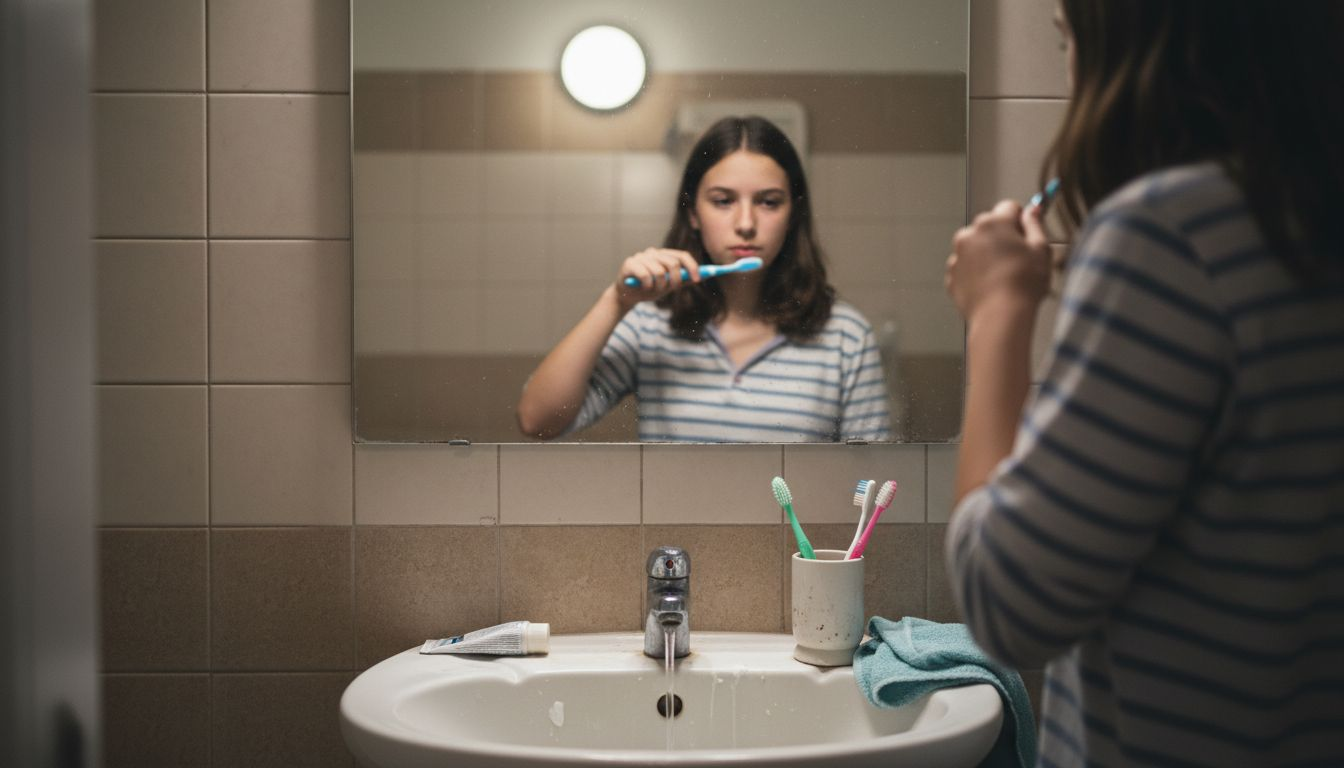
Proper brushing and flossing techniques are essential for comprehensive oral care, with flossing playing a critical role in removing plaque from areas your toothbrush cannot reach. After brushing, avoid immediately rinsing your mouth to allow the fluoride in your toothpaste to continue protecting your teeth. Complement your brushing routine with regular flossing to remove food particles and bacteria between teeth, which helps prevent enamel erosion and potential decay.
Pro tip: Replace your toothbrush every three to four months or sooner if bristles become frayed. This ensures optimal cleaning effectiveness and prevents bacterial buildup on your toothbrush.
Step 3: Choose enamel-friendly foods and drinks
Protecting your tooth enamel begins with making intelligent dietary choices that support dental health and minimise potential damage. Your nutrition plays a critical role in maintaining strong, resilient teeth and preventing long-term enamel erosion.
Nutritional strategies for dental health recommend consuming foods rich in calcium, phosphorus, and vitamin D to strengthen tooth enamel naturally. Focus on incorporating dairy products, leafy green vegetables, and fish into your diet. These nutrient-dense foods help remineralise tooth surfaces and provide essential building blocks for maintaining strong teeth. Water should be your primary beverage, replacing sugary and acidic drinks that can gradually wear down enamel. When consuming acidic foods like citrus fruits, consider eating them as part of a meal to reduce direct contact with tooth surfaces.
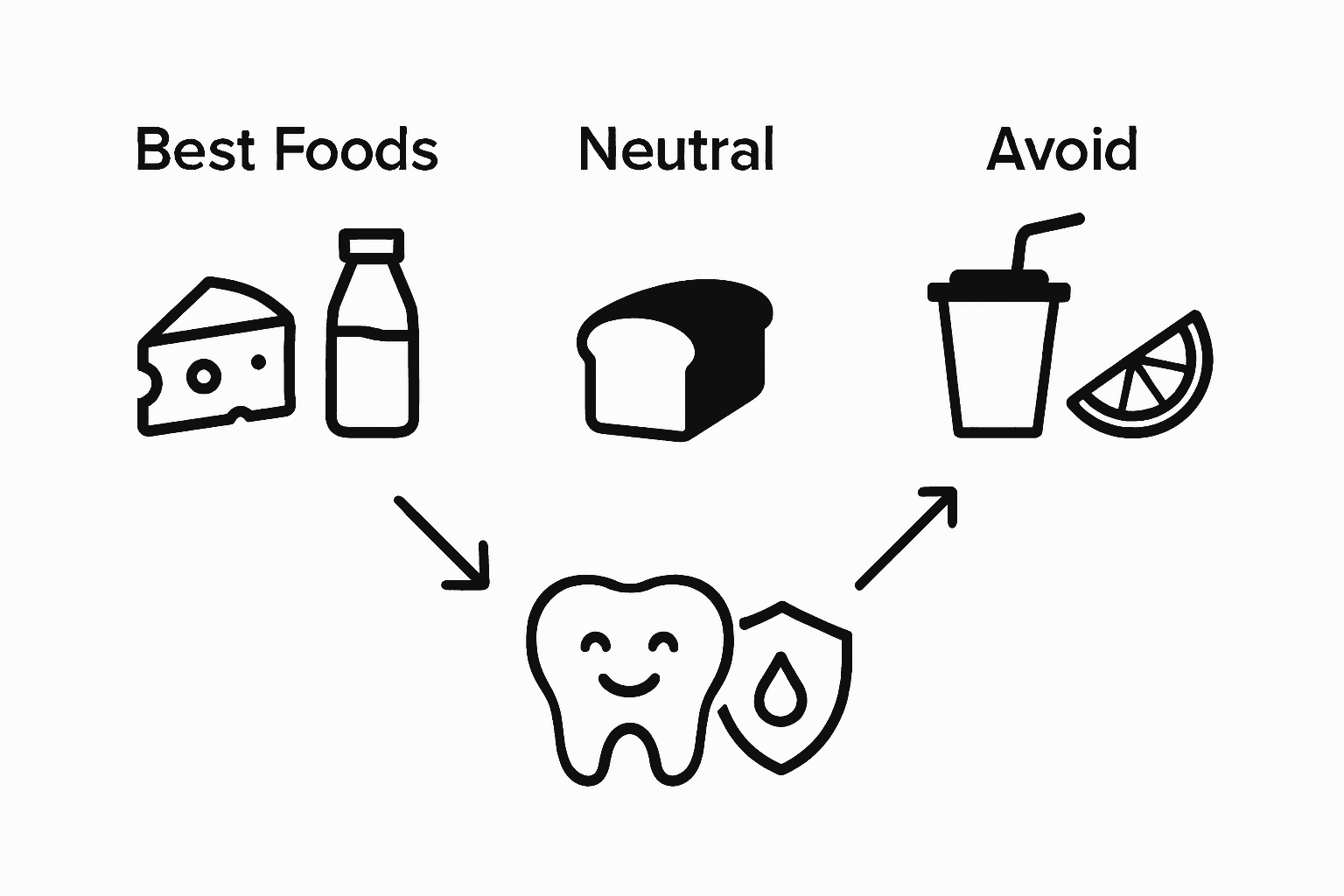
A balanced diet is crucial for maintaining optimal oral health and preventing enamel erosion, so aim to create meals that support dental wellness. Choose whole foods over processed snacks, and be mindful of your sugar intake. Cheese, yoghurt, and nuts can actually help neutralise acid in your mouth, providing a protective effect for your tooth enamel. Drinking water after meals can help rinse away food particles and maintain a balanced oral environment.
Pro tip: Keep a reusable water bottle with you and take small sips throughout the day to help maintain saliva production and naturally protect your tooth enamel.
Compare foods and drinks based on their effect on enamel:
| Item Type | Example Foods/Drinks | Enamel Effect | Recommendation |
|---|---|---|---|
| Protective | Cheese, leafy greens, yoghurt | Supports remineralisation | Consume regularly |
| Neutral | Water, milk | Minimal effect | Excellent daily choices |
| Potentially Harmful | Citrus, soft drink, confectionery | Promotes erosion and decay | Consume sparingly |
Step 4: Limit exposure to acidic and sugary substances
Protecting your tooth enamel requires strategic management of your dietary intake, particularly when it comes to substances that can cause rapid and progressive erosion. Understanding how different foods and drinks interact with your tooth surface is crucial for long-term dental health.
Strategies for minimising dental erosion recommend carefully managing acidic food and beverage consumption, with specific techniques to reduce potential damage. When drinking acidic beverages like fruit juices or soft drinks, use a straw positioned towards the back of your mouth to minimise direct contact with teeth. This simple technique helps prevent prolonged acid exposure to your tooth enamel. Additionally, avoid swishing these drinks around in your mouth and aim to consume them quickly rather than sipping slowly over extended periods.
Dental professionals advise implementing practical approaches to limit sugar and acid intake, including drinking plain tap water to help neutralise acids and rinse away harmful substances. Wait at least 30 minutes after consuming acidic foods before brushing your teeth, as immediate brushing can actually cause more enamel damage when tooth surfaces are temporarily softened. Choose water or milk as primary beverages, and if you do consume sugary or acidic items, rinse your mouth with water immediately afterwards to help restore a balanced oral environment.
Pro tip: Keep a glass of water nearby during meals and drink small sips between bites to help neutralise acids and protect your tooth enamel throughout your eating experience.
Step 5: Schedule professional enamel checks regularly
Maintaining optimal dental health requires proactive and consistent professional monitoring of your tooth enamel. By establishing a routine of regular dental check-ups, you can detect and address potential issues before they become significant problems.
Professional dental practitioners recommend scheduling comprehensive oral health examinations every six to twelve months to track enamel condition and identify early signs of potential deterioration. During these check-ups, dental professionals will conduct thorough assessments using advanced diagnostic tools to evaluate your enamel’s strength, detect microscopic erosion, and provide personalised recommendations for prevention. These examinations go beyond simple visual inspections, using specialised equipment to measure enamel thickness and assess potential risk factors specific to your oral health profile.
Comprehensive dental evaluations play a critical role in maintaining overall oral health and preventing long-term damage, allowing for timely interventions and targeted treatment strategies. Your dentist can provide insights into your unique enamel challenges, considering factors like diet, lifestyle, and genetic predispositions. They can also offer tailored advice on protective treatments such as fluoride applications or specialised remineralisation procedures that can help strengthen your tooth enamel.
Pro tip: Set recurring calendar reminders for your dental check-ups and book your next appointment before leaving the dental clinic to ensure you maintain consistent professional monitoring of your oral health.
Strengthen Your Enamel with Expert Care at Paynless Dental
Protecting your tooth enamel naturally requires more than just good daily habits. If you are concerned about enamel erosion, sensitivity, or want to prevent irreversible damage as highlighted in the article, professional dental support is essential. At Paynless Dental, our experienced team uses advanced technology to assess enamel health accurately and develop personalised prevention or treatment plans that align with your lifestyle and oral health goals.
Whether you need a thorough enamel check during a regular dental examination or specialised treatments like porcelain crowns to restore damaged teeth, we are here to help. Our clinics in Toongabbie and North Ryde provide premium dental care focused on comfort and long-term oral wellness. Act now to protect your smile by scheduling a consultation with us. Visit our website at Paynless Dental to book your appointment today and take the first step towards stronger, healthier teeth.
Frequently Asked Questions
How can I assess my enamel health effectively?
To assess your enamel health effectively, schedule a professional dental examination. Your dentist will use diagnostic tools to examine your teeth for signs of erosion, sensitivity, and other indicators of enamel integrity.
What daily habits can help protect my tooth enamel?
To protect your tooth enamel, implement a daily oral hygiene routine that includes brushing twice a day with a soft-bristled toothbrush and fluoride toothpaste. Additionally, incorporate regular flossing to remove plaque from between your teeth, reducing the risk of erosion.
What foods can naturally help strengthen my enamel?
Incorporate foods rich in calcium, phosphorus, and vitamin D, such as dairy products, leafy greens, and fish, to support enamel strength. Aim to include these nutrient-dense foods in your diet daily for optimal protection.
How do I limit my exposure to acidic foods and drinks?
To limit exposure to acidic foods and drinks, consume them quickly rather than sipping slowly, and consider using a straw to minimise direct contact with your teeth. Additionally, rinse your mouth with water after consuming such items to help neutralise acids.
How often should I schedule professional dental examinations?
Schedule professional dental check-ups every six to twelve months to monitor your enamel health. These assessments can help identify early signs of enamel deterioration and allow for timely preventative measures.
What is the role of fluoride in protecting tooth enamel?
Fluoride strengthens tooth enamel by promoting remineralisation and making teeth more resistant to decay. Incorporate fluoride toothpaste into your daily routine to enhance your enamel protection efforts.
Recommended
- The Ultimate Guide to Dental Veneers: Transform Your Smile with Veneers – Paynless Dental Clinic
- No Gaps Dental: Unlocking the Secrets to a Perfect Smile – Paynless Dental Clinic
- The Ultimate Guide to Finding the Best Dentist in Blacktown for Your Oral Health Needs – Paynless Dental Clinic
- A Comprehensive Guide to Dental Implants: Types, Procedure, and Aftercare – Paynless Dental Clinic