
Waking up with a parched mouth or struggling through the day with a dry, sticky feeling is more common than many adults in Western Sydney realise. When saliva levels drop due to medications or medical conditions, everyday comfort and oral health can quickly suffer. Finding answers starts with understanding the root causes and recognising that managing dry mouth is about more than just drinking water. Discover practical strategies and what to expect when you seek professional dental support for lasting relief.
Table of Contents
- Step 1: Identify Potential Causes Of Dry Mouth
- Step 2: Implement Daily Oral Care Adjustments
- Step 3: Increase Natural Saliva Flow Effectively
- Step 4: Monitor Hydration And Nutrition Choices
- Step 5: Verify Improvements And Seek Dental Advice
Quick Summary
| Important Takeaway | Clear Explanation |
|---|---|
| 1. Identify underlying causes of dry mouth | Various medical conditions, medications, and lifestyle choices can contribute to dry mouth symptoms. Understanding these is crucial for effective management. |
| 2. Implement daily oral care changes | Adjust your routine with hydration, saliva stimulation, and proper oral hygiene to relieve dry mouth and improve comfort. |
| 3. Monitor hydration and nutrition | Stay hydrated and choose water-rich foods to maintain oral moisture and support saliva production effectively. |
| 4. Track symptoms and seek dental advice | Keep a record of your dry mouth symptoms and consult a dental professional if issues persist to avoid complications. |
Step 1: Identify potential causes of dry mouth
Dry mouth is more than just feeling thirsty. It’s a condition where your salivary glands aren’t producing enough moisture to keep your mouth comfortably lubricated. Understanding the potential causes is crucial for finding the right treatment approach.
The root causes of dry mouth are diverse and can stem from multiple health factors. Medical conditions and medications play a significant role in reducing saliva production. Here are the key categories to investigate:
Medical Conditions:
- Diabetes
- Stroke
- Alzheimer’s disease
- Autoimmune disorders like Sjogren’s syndrome
- Nerve damage
- Chronic illnesses
Medication Side Effects:
- Chemotherapy drugs
- Antihistamines
- Antidepressants
- Blood pressure medications
- Muscle relaxants
Lifestyle Factors:
- Alcohol consumption
- Smoking
- Recreational drug use
- Excessive caffeine intake
- Mouth breathing
Identifying the underlying cause is the first step in effectively managing dry mouth and restoring your oral comfort.
If you’re experiencing persistent dry mouth symptoms, consulting with a healthcare professional can help pinpoint the exact cause. They’ll review your medical history, current medications, and conduct necessary assessments to determine the most appropriate treatment strategy.
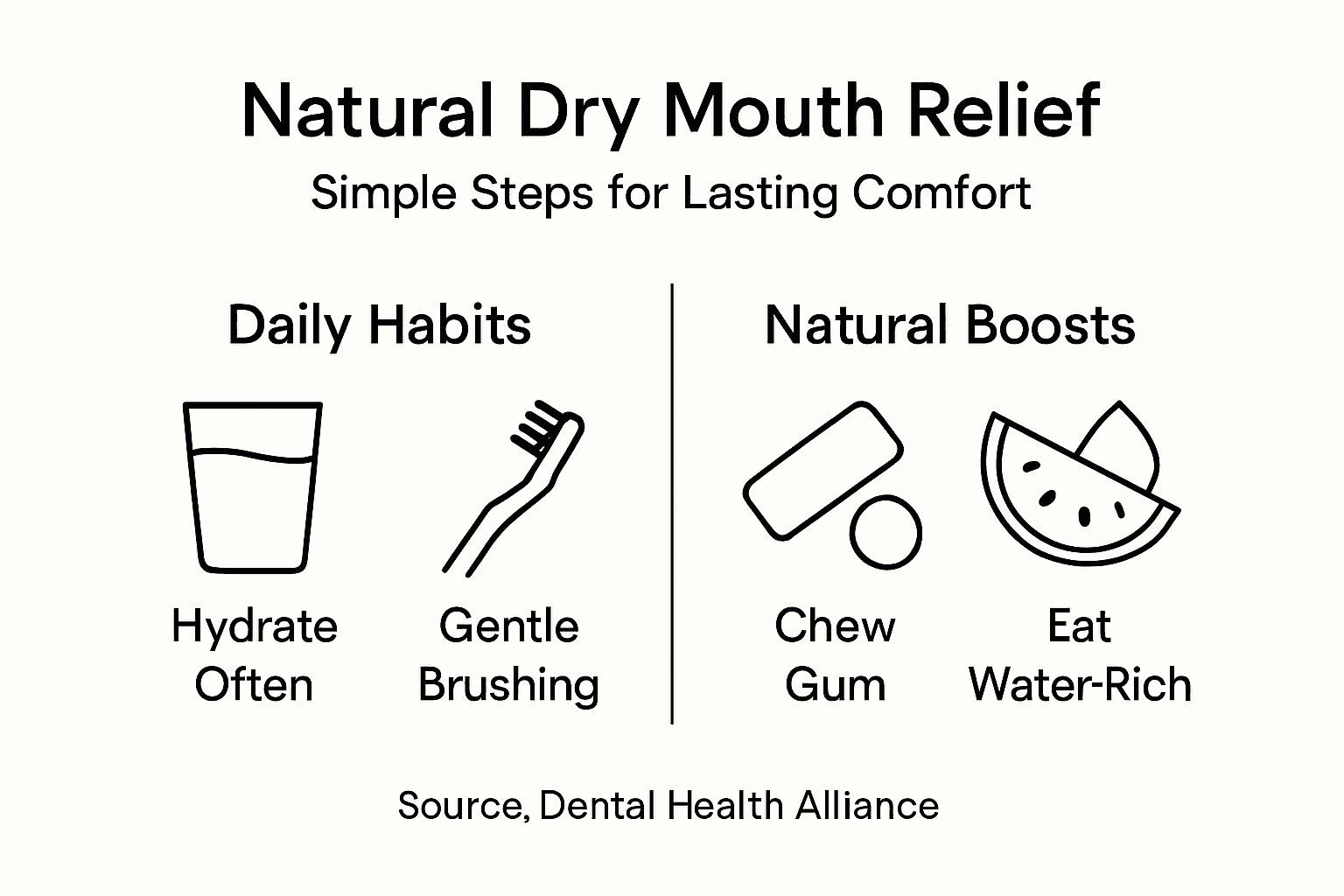
Pro tip: Keep a detailed symptom diary noting frequency, triggers, and any associated discomfort to help your healthcare provider make an accurate diagnosis.
Here’s a summary of how different factors contribute to dry mouth:
| Factor Type | Common Triggers | Possible Impact on Oral Health |
|---|---|---|
| Medical Conditions | Diabetes, autoimmune issues | Higher risk of infections, discomfort |
| Medication Side Effects | Antidepressants, chemotherapy | Reduced saliva, tooth decay risk |
| Lifestyle Choices | Alcohol, smoking, caffeine | Irritation, worsened dryness |
Step 2: Implement daily oral care adjustments
Managing dry mouth requires a strategic daily approach that focuses on maintaining oral moisture and preventing potential complications. By implementing targeted oral care techniques, you can significantly improve your comfort and protect your dental health.
Your daily routine should incorporate several key strategies to combat dry mouth. Effective oral hydration techniques can help stimulate saliva production and provide relief. Here are some critical adjustments to make:
Hydration Strategies:
- Sip water frequently throughout the day
- Carry a water bottle as a constant reminder
- Drink small amounts regularly, not large volumes at once
Saliva Stimulation Methods:
- Chew sugar-free gum containing xylitol
- Use xylitol-based candies
- Avoid sugary alternatives that can damage teeth
Environmental Moisture Control:
- Use a humidifier in your bedroom
- Place humidifiers in living areas
- Aim for 30-50% humidity levels
Consistent oral care is your primary defence against the discomforts of dry mouth.
Oral hygiene remains paramount. Use a soft-bristled toothbrush with fluoride toothpaste, and be gentle during brushing to avoid irritating sensitive oral tissues. Consider specialised dry mouth oral care products like moisturising gels or specific mouthwashes designed for reduced saliva conditions.
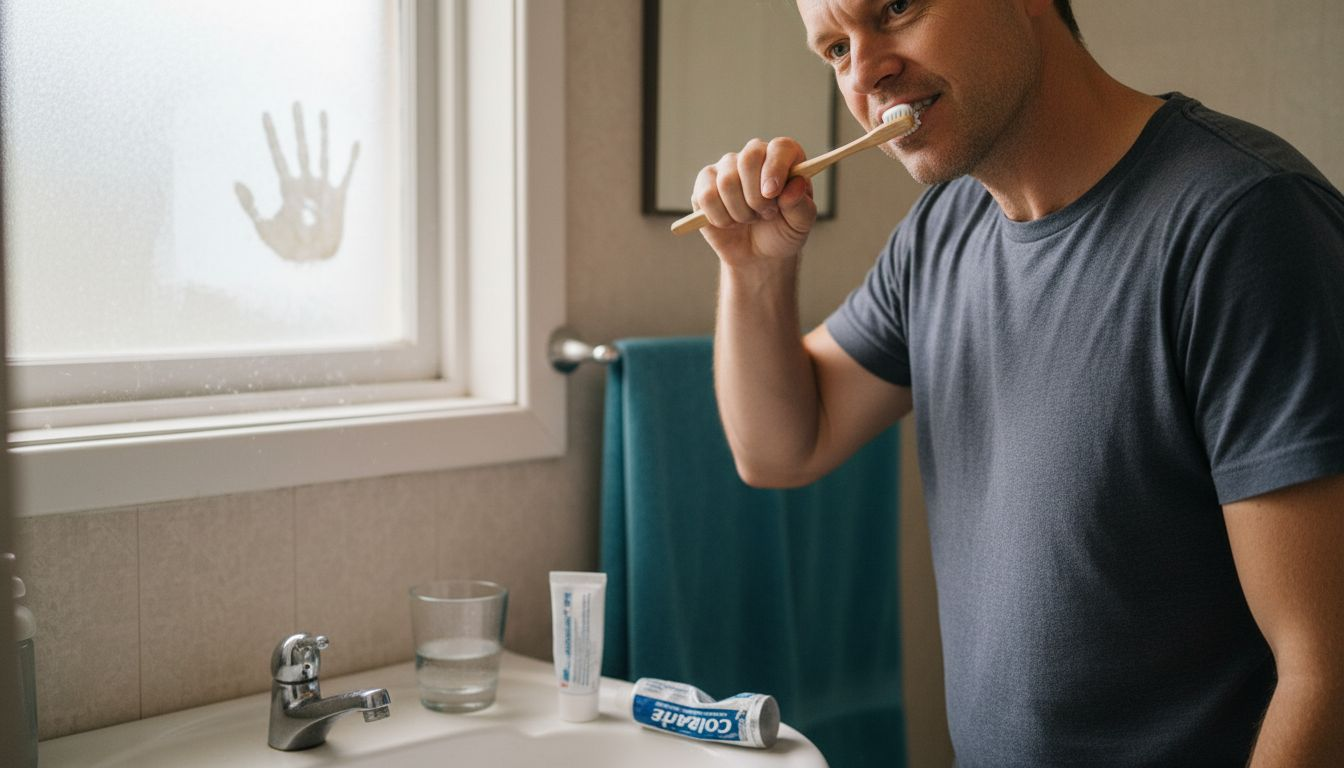
Pro tip: Create a dedicated oral care kit with water, sugar-free gum, moisturising oral spray, and a small water bottle to ensure you’re always prepared to manage dry mouth symptoms.
Step 3: Increase natural saliva flow effectively
Restoring your mouth’s natural moisture is more than just drinking water. It’s about strategically stimulating your salivary glands to produce the lubrication your oral health desperately needs. Understanding how to naturally boost saliva production can make a significant difference in managing dry mouth symptoms.
Saliva stimulation techniques offer multiple approaches to encourage your body’s natural moisture production. Here are some effective strategies to help increase your saliva flow:
Mechanical Stimulation Methods:
- Chew sugar-free gum with xylitol
- Suck on sugar-free lozenges
- Perform gentle chewing exercises
Dietary Strategies:
- Snack on crunchy vegetables like carrots
- Eat celery sticks
- Include foods that require more chewing
Natural Stimulation Techniques:
- Practice gentle jaw movements
- Use tongue exercises
- Stay hydrated with small, frequent sips
Consistent stimulation is key to maintaining natural saliva production and oral health.
Be mindful of substances that can inhibit saliva production. Avoid tobacco, excessive caffeine, and alcohol, as these can further reduce your mouth’s natural moisture. If natural methods prove insufficient, consult your healthcare provider about prescription medications that might help stimulate saliva production.
Pro tip: Keep a small journal tracking which saliva stimulation techniques work best for you, helping you develop a personalised dry mouth management strategy.
Compare methods for stimulating saliva naturally:
| Method | How It Works | When Most Effective |
|---|---|---|
| Chewing (gum/veggies) | Activates salivary reflexes | After meals, on the go |
| Hydration (small sips) | Keeps oral tissues moist | Throughout the day |
| Oral exercises (jaw/tongue) | Boosts gland activity | During dry mouth episodes |
Step 4: Monitor hydration and nutrition choices
Your diet and hydration habits play a crucial role in managing dry mouth symptoms. Understanding how different foods and drinks impact your oral moisture levels can help you make smarter choices that support your overall oral health and comfort.
Effective hydration strategies are essential for combating dry mouth and maintaining optimal saliva production. Consider these targeted approaches to improve your nutrition and hydration:
Water-Rich Food Choices:
- Consume fruits like watermelon and oranges
- Eat vegetables such as cucumbers and lettuce
- Include broths and soups in your diet
Hydration Tracking Methods:
- Use a marked water bottle
- Set hourly hydration reminders
- Monitor urine colour as a hydration indicator
Dehydration Avoidance Tactics:
- Limit caffeine intake
- Reduce alcohol consumption
- Avoid high-sodium processed foods
Small, consistent hydration efforts can dramatically improve your oral moisture levels.
Be mindful of your body’s unique hydration needs. Some medications and health conditions can affect fluid retention, so personalise your approach. Aim to drink water consistently throughout the day, rather than consuming large volumes at once.
Pro tip: Create a daily hydration log to track your fluid intake and identify patterns that best support your oral health.
Step 5: Verify improvements and seek dental advice
As you implement strategies to manage dry mouth, tracking your progress and knowing when to seek professional guidance becomes crucial. Monitoring your symptoms and understanding when expert intervention is necessary can prevent potential long-term oral health complications.
Professional dental evaluation strategies can help you effectively manage your dry mouth symptoms. Consider these important steps for verifying improvements and determining when to consult a dental professional:
Symptom Tracking Methods:
- Document daily moisture levels
- Note frequency of dry mouth episodes
- Record any discomfort or changes
Warning Signs Requiring Immediate Attention:
- Persistent dry mouth lasting over two weeks
- Difficulty swallowing
- Sudden increase in tooth decay
- Mouth sores or infections
- Significant changes in saliva consistency
Preparation for Dental Consultation:
- Compile detailed symptom history
- List current medications
- Prepare questions about your oral health
- Bring your symptom tracking documentation
Regular professional assessments are your best defence against potential oral health complications.
Dental professionals can conduct comprehensive evaluations, including saliva production tests and oral health assessments. They might recommend specific treatments such as saliva substitutes, prescription medications, or tailored oral care routines based on your unique health profile.
Pro tip: Schedule your dental check-up with a prepared list of specific questions and your symptom tracking notes to ensure a thorough and productive consultation.
Discover Lasting Relief from Dry Mouth with Paynless Dental
Living with dry mouth can make every meal uncomfortable and affect your daily oral health. If you struggle with persistent dryness caused by lower saliva flow or medication side effects, you are not alone. At Paynless Dental, we understand the importance of restoring moisture and protecting your smile through tailored dental care solutions designed to bring comfort back to your mouth.
Whether you need expert advice or advanced treatment options like implant-supported dentures or specialised oral health assessments we offer premium services across our Toongabbie and North Ryde Clinics. Start improving your oral wellbeing today by exploring our comprehensive dental treatments including Dentures and Oral Surgery options at your convenience.
Don’t wait for discomfort to worsen. Take control of your dry mouth symptoms now by connecting with the caring team at Paynless Dental via our main website Paynless Dental and experience expert care focused on lasting relief and comfort.
Frequently Asked Questions
What natural methods can I use to manage dry mouth?
To manage dry mouth naturally, focus on hydration, saliva stimulation, and dietary choices. Drink water frequently, chew sugar-free gum, and consume water-rich foods like fruits and vegetables.
How can I stimulate saliva production effectively?
You can stimulate saliva production by chewing sugar-free gum or sucking on sugar-free lozenges. Try incorporating these techniques several times throughout the day to ensure consistent saliva flow.
What dietary changes should I consider for dry mouth relief?
To relieve dry mouth, include water-rich foods in your diet, such as cucumbers and watermelon. Aim to snack on these foods regularly to help maintain hydration and oral moisture.
How do I track my symptoms and improvements for dry mouth?
Monitor your dry mouth symptoms by documenting daily moisture levels and noting any discomfort. Keep a symptom diary for at least two weeks to observe patterns and share this information during your next dental visit.
When should I seek professional dental advice for dry mouth?
Consider consulting a dental professional if your dry mouth persists for over two weeks, leads to swallowing difficulties, or causes mouth sores. Schedule an appointment to discuss your symptoms and any changes in oral health.
Recommended
- The Ultimate Guide to Finding the Best Dentist in Blacktown for Your Oral Health Needs – Paynless Dental Clinic
- No Gaps Dental: Unlocking the Secrets to a Perfect Smile – Paynless Dental Clinic
- A Comprehensive Guide to Dental Implants: Types, Procedure, and Aftercare – Paynless Dental Clinic
- Treating Dry Mouth: Relieve Symptoms Naturally at Home | Paynless
- Why Pure Water Boosts Health and Vitality – Coway Water Purifier