
Nearly one in four people struggle with chronic bad breath, making it a far more common problem than most realize. Halitosis does more than cause awkward moments in close conversations. It also affects self-esteem and can hint at underlying health issues that are easily missed. By learning the real causes and dismissing the myths, you can take confident steps toward fresher breath and stronger overall well-being.
Table of Contents
- What Is Halitosis? Key Facts And Myths
- Oral Hygiene And Dental Causes Explained
- Medical Conditions That Trigger Halitosis
- Lifestyle Factors And Dietary Impacts
- Risks, Mistakes, And Prevention Strategies
Key Takeaways
| Point | Details |
|---|---|
| Understanding Halitosis | Halitosis, or bad breath, can stem from various causes beyond dental hygiene, including medical conditions and dietary choices. |
| Importance of Oral Hygiene | Regular brushing, flossing, and dental check-ups are crucial to prevent bad breath caused by dental issues. |
| Medical Indicators | Persistent bad breath may signal underlying health problems, necessitating consultation with healthcare professionals. |
| Lifestyle Factors | Diet and habits such as smoking and dehydration can significantly affect breath quality; maintaining a balanced lifestyle is key. |
What Is Halitosis? Key Facts and Myths
Halitosis, or bad breath, is more than just an embarrassing social inconvenience. According to healthdirect, it’s a condition characterized by an unpleasant oral odour that can significantly impact personal confidence and social interactions.
Contrary to popular belief, halitosis isn’t always a result of poor dental hygiene. Better Health reveals that the primary cause is actually sulfur-producing bacteria residing in the throat and on the tongue. These microscopic organisms break down proteins in your mouth, releasing volatile sulfur compounds that create the distinctive unpleasant smell.
Some key facts about halitosis include:
- It’s normal to experience temporary bad breath upon waking
- Morning breath typically resolves after eating or brushing teeth
- Persistent bad breath might signal underlying health conditions
- Factors beyond oral hygiene contribute to halitosis, such as:
- Dry mouth
- Specific dietary choices
- Tobacco use
- Certain medical conditions
While many people feel embarrassed about bad breath, understanding its complex origins can help demystify this common condition and encourage proactive oral health management.
Oral Hygiene and Dental Causes Explained
When it comes to halitosis, dental health plays a pivotal role in determining breath quality. Evident highlights that several specific dental issues can directly contribute to persistent bad breath, making regular oral care crucial for maintaining fresh breath.
The most common dental causes of halitosis include:
- Tooth Decay: Cavities create protected spaces where bacteria thrive
- Gum Disease: Periodontal infections produce sulfur compounds
- Dental Abscesses: Infected tooth roots generate significant odour
- Poor Oral Hygiene: Inadequate brushing and flossing allow bacterial buildup
Understanding these dental factors requires recognizing how bacteria interact within your mouth. Untreated dental problems create ideal environments for odour-producing microorganisms. Bacteria accumulate in hard-to-clean areas like between teeth, around dental work, and along the gumline, progressively worsening breath quality.
To combat these issues, consistent oral hygiene practices are essential. This means brushing twice daily, flossing regularly, using antiseptic mouthwash, and scheduling routine dental check-ups. By addressing potential dental problems early, you can significantly reduce the likelihood of developing chronic halitosis and maintain optimal oral health.
Proactive dental care isn’t just about fresh breath—it’s about preventing more serious health complications that can arise from neglected oral hygiene.
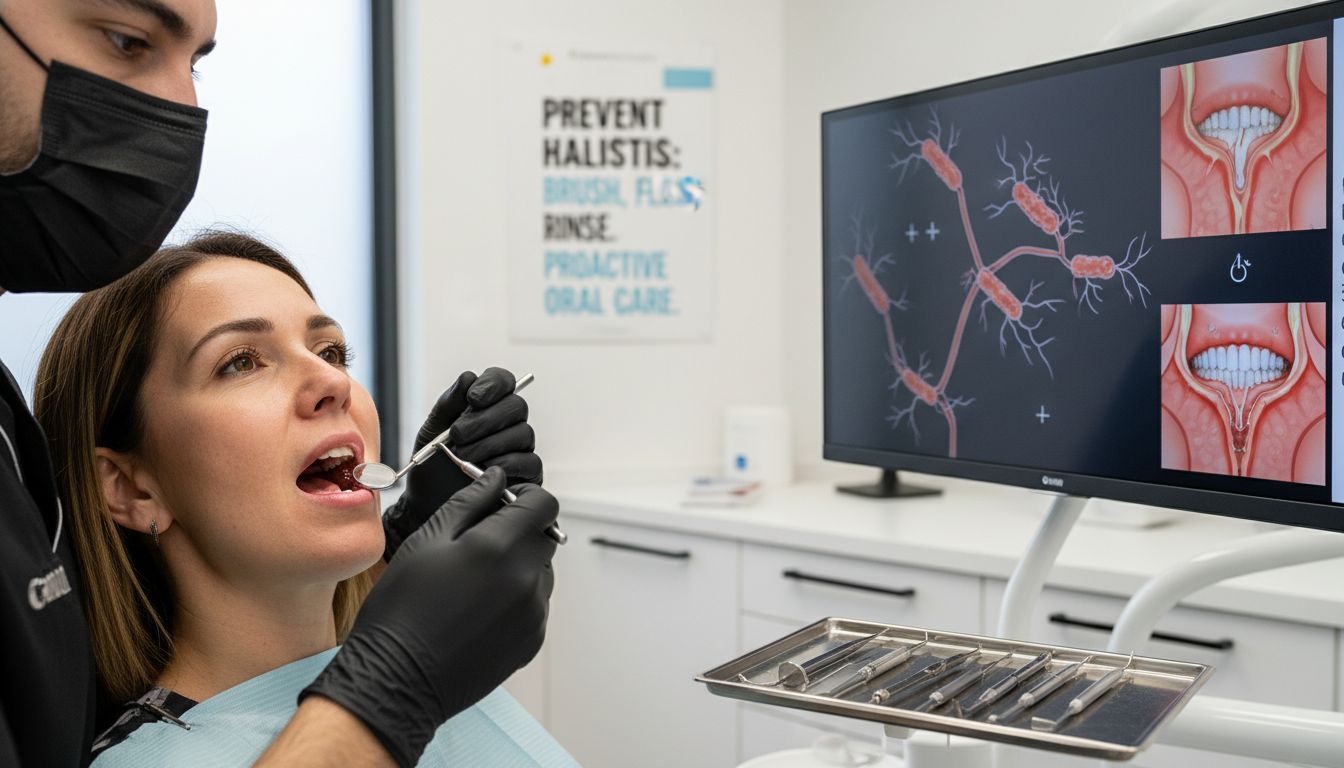 Remember, your mouth is a gateway to your overall health, and maintaining it requires dedicated, systematic care.
Medical Conditions That Trigger Halitosis
Halitosis isn’t always just a dental hygiene issue—sometimes it’s a warning sign of deeper health challenges. According to healthdirect, various medical conditions can significantly contribute to persistent bad breath, making it crucial to look beyond oral care when addressing this concern.
Respiratory and Systemic Conditions play a substantial role in breath odour. Evident highlights several key medical triggers for halitosis:
- Sinus Infections: Mucus and bacterial buildup create odorous environments
- Throat Infections: Bacterial and viral infections produce distinctive breath changes
- Lung Diseases: Respiratory conditions can alter breath composition
- Kidney Disorders: Metabolic changes impact breath chemistry
- Liver Diseases: Compromised organ function can manifest through breath
- Diabetes: Metabolic irregularities often produce distinct breath odours
These medical conditions create unique biochemical environments that can dramatically alter breath composition. For instance, diabetic patients might experience ketoacidosis, which produces a sweet, fruity breath odour. Similarly, liver or kidney dysfunction can lead to a distinctly ammonia-like breath smell.
Understanding these medical connections underscores the importance of comprehensive health evaluations. Bad breath isn’t just a cosmetic concern—it can be a critical indicator of underlying health issues that require professional medical attention. When persistent halitosis doesn’t improve with standard oral hygiene practices, consulting healthcare professionals becomes essential for accurate diagnosis and targeted treatment.
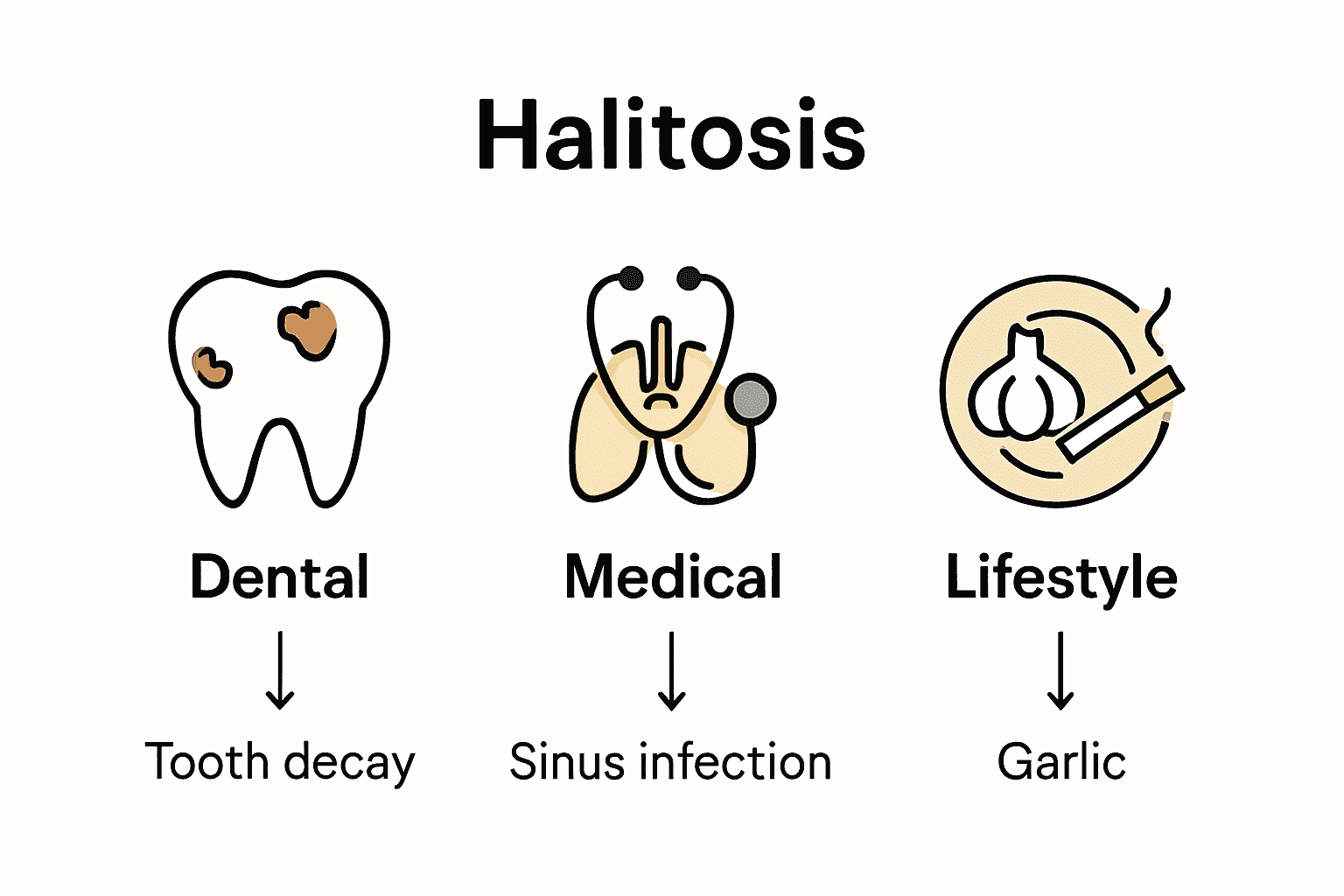
Here’s a comparison of dental, medical, and lifestyle causes of halitosis:
| Cause Type | Common Examples | Main Mechanism |
|---|---|---|
| Dental | Tooth decay Gum disease Dental abscesses Poor oral hygiene | Bacterial buildup and odour production |
| Medical | Sinus infections Liver disease Kidney disorders Diabetes | Systemic changes affecting breath |
| Lifestyle/Diet | Garlic/onion Coffee/alcohol Protein-rich diets Smoking | Foods and habits alter mouth chemistry |
 |
|
Lifestyle Factors and Dietary Impacts
Your daily habits and food choices play a significant role in breath quality, often more dramatically than many people realize. Health Direct reveals that diet and lifestyle can substantially influence halitosis, creating temporary or persistent breath challenges.
Certain foods are notorious for causing immediate breath changes:
- Garlic and Onions: Release pungent sulfur compounds absorbed into bloodstream
- Coffee: Dehydrates mouth, reducing saliva production
- Alcohol: Decreases natural mouth moisture
- Dairy Products: Can create mucus and bacterial growth
- Protein-Heavy Diets: Generate ketones during metabolic breakdown
Interestingly, dietary patterns can trigger unexpected breath issues. As noted by Colgate, skipping meals or following restrictive diets can lead to ketosis, a metabolic state where fat breakdown produces distinctive breath odours. This biochemical process releases ketones that create a noticeable, often unpleasant smell.
Lifestyle factors extend beyond diet, encompassing habits that directly impact oral ecosystem. Smoking, chronic stress, medications, and inconsistent hydration can dramatically alter mouth chemistry, creating environments conducive to odour-producing bacteria. Maintaining balanced nutrition, staying hydrated, and practicing consistent oral hygiene are crucial strategies for managing breath quality and overall oral health.
Risks, Mistakes, and Prevention Strategies
Halitosis isn’t just an embarrassing social problem—it can signal serious health complications. Healthdirect warns that neglecting persistent bad breath can lead to more severe dental and systemic health risks, making proactive prevention crucial.
Common mistakes that exacerbate halitosis include:
- Inadequate Brushing: Failing to clean all tooth surfaces thoroughly
- Skipping Flossing: Leaving bacteria-laden food particles between teeth
- Ignoring Tongue Cleaning: Overlooking bacterial buildup on tongue surface
- Inconsistent Dental Check-ups: Missing professional oral health assessments
- Using Harsh Mouthwashes: Disrupting natural oral microbiome balance
According to Better Health, addressing underlying health conditions is equally important. Prevention strategies extend beyond basic oral hygiene and require a holistic approach to personal health.
To effectively combat halitosis, implement a comprehensive prevention plan: maintain rigorous oral hygiene, stay hydrated, consume a balanced diet, manage stress, and schedule regular dental check-ups. Remember, persistent bad breath is your body’s way of signaling that something needs attention—listening and responding promptly can prevent more serious health complications.
Take Control of Your Breath and Oral Health Today
Halitosis can affect your confidence and everyday interactions, especially when caused by underlying dental issues like gum disease or tooth decay as outlined in the article. If persistent bad breath is holding you back, understanding the root causes is the first step toward lasting relief. At Paynless Dental, we focus on advanced treatments including Dental Implants and comprehensive oral care solutions to target bacteria buildup and restore your oral health with comfort and precision.
Don’t let halitosis define your social life or well-being. Book a consultation with our expert team at either our Toongabbie Clinic or North Ryde Clinic to receive a personalised assessment and tailored treatment plan. Address the problem now and enjoy fresher breath with confidence by visiting Paynless Dental for premium care and cutting-edge dental technology.
Frequently Asked Questions
What are the main causes of halitosis?
Halitosis can be caused by dental issues such as tooth decay and gum disease, medical conditions like sinus infections and diabetes, as well as lifestyle factors including certain diets and smoking.
How can oral hygiene affect halitosis?
Poor oral hygiene can lead to bacterial buildup in the mouth, contributing to bad breath. Regular brushing, flossing, and tongue cleaning are essential to maintain fresh breath and reduce halitosis.
Can diet really impact my breath quality?
Yes, certain foods like garlic, onions, and protein-rich diets can create noticeable changes in breath quality, while dehydration from coffee and alcohol can worsen halitosis by reducing saliva production.
When should I see a doctor for bad breath?
If persistent bad breath continues despite proper oral hygiene practices, it may be a sign of an underlying health condition. Consulting a healthcare professional is essential for accurate diagnosis and treatment.
Recommended
- The Ultimate Guide to Finding the Best Dentist in Blacktown for Your Oral Health Needs – Paynless Dental Clinic
- Trusted Toongabbie Dentist for All Your Dental Care Needs – Paynless Dental Clinic
- No Gaps Dental: Unlocking the Secrets to a Perfect Smile – Paynless Dental Clinic
- Top Dental Care in Toongabbie: Routine, Cosmetic & Emergency Services