
Every parent wants to see their child’s brightest smile last, but keeping teeth healthy in Western Sydney can feel challenging with all the tempting treats around. Dental professionals across Australia agree that fluoride is vital for building strong enamel and protecting against tooth decay. With local community water supplies and age-appropriate toothpaste, giving your child daily protection is simple. Discover how fluoride acts as a powerful shield and learn easy ways to help your kids avoid painful dental problems for years to come.
Table of Contents
- Fluoride And Dental Health Basics
- Types Of Fluoride And How They Work
- How Fluoride Protects Children’s Teeth
- Safety, Risks, And Australian Guidelines
- Mistakes To Avoid And Safer Alternatives
Key Takeaways
| Point | Details |
|---|---|
| Fluoride Strengthens Teeth | Regular exposure to fluoride is essential for enhancing tooth enamel and preventing decay in children. |
| Community Water Fluoridation | Drinking tap water in Western Sydney provides continuous fluoride protection without extra effort from parents. |
| Age-Appropriate Toothpaste | Use a pea-sized amount of low-fluoride toothpaste for children aged 2 to 5 and standard fluoride toothpaste for those aged 6 and up. |
| Consistent Dental Visits | Regular dental check-ups can provide additional fluoride treatments for children at higher risk of tooth decay. |
Fluoride and Dental Health Basics
Fluoride is a naturally occurring mineral that plays a crucial role in keeping your child’s teeth strong and healthy. Found naturally in water, soil, and many foods, fluoride works by strengthening tooth enamel, making it far more resistant to the acids that cause decay. Think of it like adding an invisible protective shield to your child’s teeth. This mineral actively repairs early acid damage and can even reverse the very earliest stages of tooth decay before permanent damage occurs. When your child’s teeth are exposed to fluoride regularly, the enamel becomes denser and tougher, which means those sticky lollies from the school canteen or sugary drinks are far less likely to cause problems.
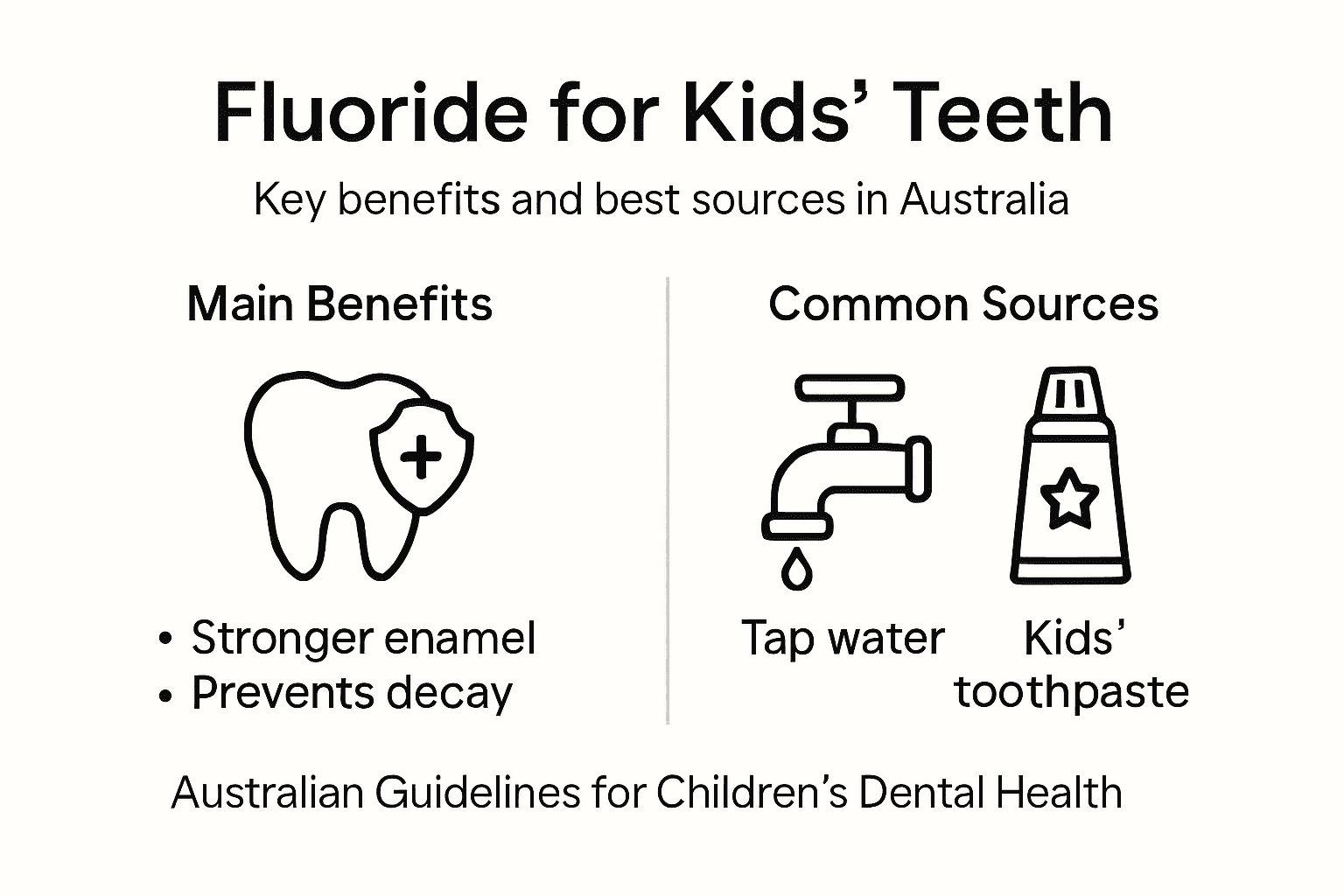
In Australia, fluoride protection is readily available through multiple sources. Most community water supplies in Western Sydney are fluoridated, meaning your kids receive protective benefits simply by drinking tap water at school and home. Fluoridated toothpaste offers another excellent source, and Australian health guidelines specifically recommend age-appropriate fluoride toothpaste for children. For younger kids aged 2 to 5 years, a pea-sized amount of low-fluoride toothpaste is ideal. Children aged 6 and older can use standard fluoride toothpaste. Your dentist can also apply stronger fluoride treatments during regular check-ups for additional protection, particularly if your child is at higher risk of tooth decay. The combination of these sources ensures comprehensive coverage without overwhelming your child’s system.
The science behind fluoride is well-established in Australia. Fluoride remineralises tooth enamel, essentially restoring microscopic damage before it becomes visible cavities. This process happens continuously when fluoride is present in your mouth. Unlike treatments that only address problems after they occur, fluoride actively prevents them from starting. For Western Sydney families, this means fewer dental visits for fillings, less discomfort for your child, and significantly lower dental costs over time. The evidence is clear: children who receive consistent fluoride exposure have substantially fewer cavities than those who don’t.
Pro tip: Start your child with fluoride toothpaste from age 2, use just a pea-sized amount, and ensure they see a dentist regularly for professional fluoride treatments to maximise protection throughout their childhood.
Types of Fluoride and How They Work
Fluoride comes in several forms, each designed to protect your child’s teeth in different ways. The most common types include fluoridated water, toothpaste, and professional treatments applied by dentists. Understanding what each type does helps you make informed choices about your child’s dental care. The key difference between them isn’t just the source but the concentration and how often your child receives the protection. Water fluoridation provides consistent, low-level exposure every single day, whilst professional treatments deliver concentrated doses when your child needs extra protection.
Community water fluoridation is the backbone of dental health in Australian cities. This form delivers a steady stream of fluoride protection that works topically to enhance enamel resistance and interrupts the acid production that causes decay. Every time your child drinks tap water, brushes their teeth, or has a drink at school, they’re receiving this protective benefit. The fluoride compounds used in Australian water supplies meet strict purity standards, so you can be confident about safety. For families in Western Sydney, this means your kids get reliable protection without any extra effort on your part.
Toothpaste and professional treatments offer targeted, higher-concentration protection. Fluoride toothpaste works similarly to water fluoridation but at stronger levels, which is why using the correct amount matters for different ages. Professional treatments like fluoride varnishes, foams, and gels are reserved for children at higher risk of decay or those who need extra strengthening. Your dentist applies these directly to the tooth surface, where they penetrate deeper than toothpaste alone. These concentrated applications are particularly valuable for children who consume lots of sugary foods or drinks, have deep grooves in their teeth, or have a family history of cavities. The combination of all three types creates layered protection: daily water fluoridation, twice-daily toothpaste brushing, and periodic professional treatments when needed.
Pro tip: Ask your dentist at your next visit whether your child would benefit from professional fluoride treatments based on their individual decay risk, and stick to water fluoridation and age-appropriate toothpaste as your foundation.
Here’s how common fluoride sources support your child’s dental health:
| Fluoride Source | Frequency of Use | Main Benefit |
|---|---|---|
| Tap water | Daily, with every drink | Constant cavity protection |
| Fluoride toothpaste | Twice daily, during brushing | Strengthens and repairs enamel |
| Professional treatments | Every 6–12 months at dentist | Intensive defence for high-risk kids |
| Fluoride varnish/gel | As advised by dentist | Direct, controlled enamel therapy |
How Fluoride Protects Children’s Teeth
Fluoride protection works in two main ways that keep your child’s teeth healthy throughout childhood. First, it strengthens the enamel before and after teeth emerge, making the surface significantly more resistant to the acids that bacteria produce. Second, fluoride actively repairs early damage from acid attacks, stopping decay in its tracks before it becomes a visible cavity. This dual action means your child’s teeth are getting both offensive and defensive protection. The earlier children receive consistent fluoride exposure, the stronger their teeth develop, and this advantage lasts throughout their lives.
During the critical years when your child’s permanent teeth are developing beneath the gums, fluoride plays an essential role in building strong enamel structure. Fluoride protection begins even before teeth erupt into the mouth, which is why babies and young toddlers benefit from fluoridated water. As teeth come through and your child eats and drinks throughout the day, fluoride continues to work by making enamel more acid-resistant. The research is compelling: children in areas with fluoridated water have significantly less tooth decay and higher rates of completely decay-free teeth compared to children without this exposure. For Western Sydney families, your tap water is doing much of this protective work automatically.
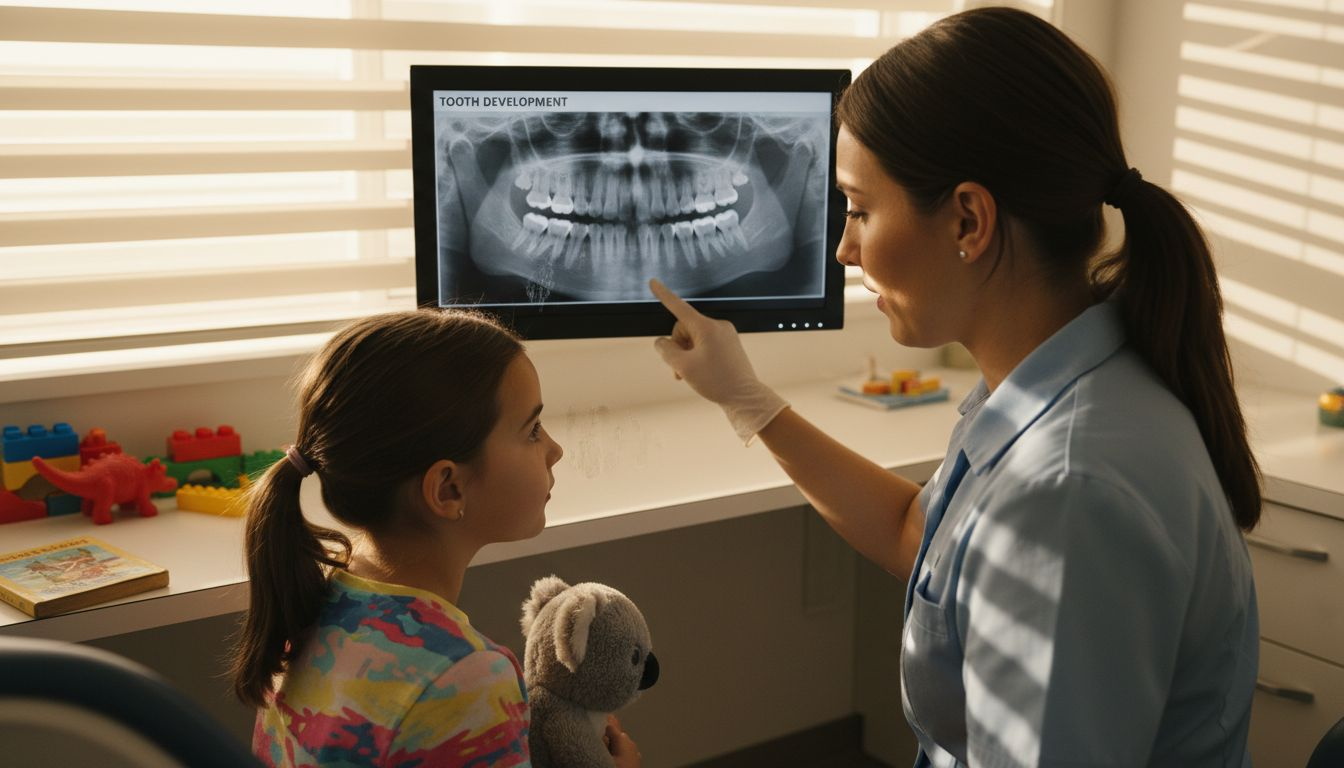
Baby teeth matter more than many parents realise. Strong baby teeth prevent painful infections, allow proper eating and nutrition, and guide permanent teeth into the correct positions. Preventing decay in baby teeth reduces painful and costly dental issues down the track, saving your family from emergency dentist visits and complex treatments later. When baby teeth decay severely, they can be lost prematurely, which throws off the space available for adult teeth and creates crowding problems. Fluoride prevents this chain reaction by keeping baby teeth strong and healthy throughout their lifespan. By the time your child reaches school age, years of consistent fluoride exposure have already created teeth that are far more resistant to the decay-causing foods and drinks they encounter at school and parties.
Pro tip: Encourage your child to drink tap water regularly and avoid rinsing their mouth immediately after brushing to allow fluoride from toothpaste to work longer on their teeth.
Safety, Risks, and Australian Guidelines
Parents often worry about whether fluoride is truly safe for their children, and that concern deserves a straight answer. Australia’s National Health and Medical Research Council has thoroughly reviewed the evidence, and community water fluoridation is safe and effective at the levels used across the country. Their research found no reliable evidence that fluoridation at current concentrations causes health problems. Regulatory bodies constantly monitor fluoride levels in Australian water supplies to maintain safety, and the decades of data from fluoridated communities show excellent dental outcomes without adverse health effects. Your tap water in Western Sydney is regulated and tested regularly to ensure it contains the right amount of fluoride for protection without risk.
The only significant risk from fluoride is dental fluorosis, which occurs when children receive excessive fluoride during tooth development. Dental fluorosis causes white spots or streaks on teeth and, in severe cases, brown staining. However, this condition is rare in Australia because guidelines strictly limit fluoride exposure for young children. This is precisely why age-appropriate fluoride recommendations exist. For children under 18 months, no fluoride toothpaste should be used. From 18 months to 5 years, low-fluoride toothpaste is recommended to minimise any risk. Children aged 6 and older can use full-strength fluoride toothpaste. These guidelines exist because they balance maximum protective benefit against minimal risk, and they are based on extensive research.
Following Australian guidelines protects your child completely. Never give your child fluoride supplements without professional dental advice, as supplements can push fluoride intake too high. Stick to fluoridated tap water, age-appropriate toothpaste, and professional treatments recommended by your dentist. Avoid fluoride mouth rinses for children under 6 years unless your dentist specifically suggests them. Western Sydney families benefit enormously from community water fluoridation, which provides consistent, safe protection that requires no effort on your part. The regulatory framework in Australia is rigorous, and water authorities test fluoride levels constantly. You can trust that the fluoride in your child’s water is precisely calibrated for safety and effectiveness.
Pro tip: Supervise your child’s tooth brushing until age 8 to ensure they use only a pea-sized amount of toothpaste and spit it out rather than swallowing it, which minimises any fluoride intake risks.
Mistakes to Avoid and Safer Alternatives
Many parents accidentally undermine their child’s fluoride protection by making simple but costly mistakes. The most common error is using too much toothpaste or starting fluoride too early. Young children naturally swallow toothpaste during brushing, which means excessive amounts increase the risk of dental fluorosis. Using fluoride toothpaste in inappropriate amounts or at incorrect ages is one of the biggest preventable risks. For children aged 18 months to 5 years, a pea-sized amount is all you need, not the full brush head that many parents squeeze out. Children under 18 months should not use fluoride toothpaste at all. After age 6, a pea-sized amount remains the standard even though toothpaste concentration increases. Another common mistake is using fluoride mouth rinses in children under 6 years, which concentrates fluoride exposure unnecessarily.
Supervision during tooth brushing is non-negotiable if you want to protect your child from fluoride risks. Many parents hand their toddlers a toothbrush and walk away, only to find their child has swallowed half the tube. Children lack the coordination and self-control to spit consistently until around age 7 or 8, which means you must watch them brush and help them spit out toothpaste properly. Make it a routine where you stand right beside them, guide their brushing, and ensure they rinse and spit rather than swallow. This supervision also teaches good habits that last into adulthood. If your child resists, make it fun rather than skipping it entirely. Stickers or a special brushing song can transform supervision from a battle into bonding time.
If your family doesn’t have access to fluoridated water or you prefer additional protection, professionally applied fluoride varnishes and gels offer safer alternatives without the risk of accidental swallowing. Your dentist applies these directly to teeth, controlling the exact amount and ensuring nothing is ingested. Professional applications are particularly valuable for children at higher decay risk or those who struggle with toothpaste supervision. Combine professional treatments with proper home care: age-appropriate toothpaste in correct amounts, supervised brushing, and good eating habits. Limiting sugary snacks and drinks between meals reduces decay risk far more effectively than any fluoride product alone. Water as the main drink, especially in lunchboxes at school, protects teeth far better than juice or cordial.
To help you avoid common fluoride mistakes, compare best practices below:
| Mistake | Safer Alternative | Why It Matters |
|---|---|---|
| Using too much toothpaste | Only a pea-sized amount | Reduces risk of fluorosis |
| Starting fluoride too early | Begin at age 2 with low-fluoride | Prevents white spots on teeth |
| Using mouth rinse under 6 | Use only on dentist’s advice | Avoids unnecessary exposure |
| Unsupervised brushing | Supervise until age 8 | Ensures correct toothpaste use |
Pro tip: Create a visual chart showing your child the correct pea-sized amount of toothpaste, and let them practice with a damp toothbrush and water before adding fluoride toothpaste to their routine.
Protect Your Child’s Smile with Expert Care at Paynless Dental
Ensuring your child benefits from fluoride is essential to preventing tooth decay and promoting strong enamel as described in the article. If you want to complement the daily fluoride protection from water and toothpaste with professional advice and treatments tailored to your child’s needs, Paynless Dental is here to help. Our caring team understands the importance of following Australian guidelines to maximise fluoride benefits while minimising risks such as dental fluorosis. We provide comprehensive dental care including check-ups where your dentist can apply professional fluoride varnishes or gels for extra decay defence.
Take the next step to secure your child’s oral health today. Whether you live near Toongabbie or North Ryde, our clinics offer a comfortable environment with advanced technology designed for all ages. Learn more about our range of services like Oral Surgery to manage any dental issues early and Orthodontics to keep your child’s smile straight and healthy as they grow. Visit Paynless Dental now to book an appointment and give your child the best start to lifelong dental wellness.
Frequently Asked Questions
What is fluoride and how does it benefit children’s teeth?
Fluoride is a natural mineral that strengthens tooth enamel, making it more resistant to decay. It helps to repair early damage from acids, thereby preventing cavities.
How can I ensure my child gets enough fluoride for dental health?
Your child can receive fluoride through fluoridated tap water, age-appropriate fluoride toothpaste, and professional treatments from the dentist. Consistent exposure is key.
Is fluoride safe for my child?
Yes, fluoride is considered safe when used according to Australian guidelines. These guidelines balance the protective benefits of fluoride against potential risks, minimising the chance of dental fluorosis.
What are the signs of dental fluorosis and how can I prevent it?
Dental fluorosis results in white spots or streaks on teeth; preventing it involves ensuring your child uses only a pea-sized amount of toothpaste and avoiding fluoride toothpaste for children under 18 months.