
Most Aussies book dental cleanings for a healthy smile but often wonder if they are in for an uncomfortable ride. You might be surprised to learn that about one in three people feel anxious about dental cleanings, usually worrying it will hurt. Strangely enough, dental experts say the cleaning process itself is usually painless and it is anxiety—not the actual treatment—that makes it feel worse.
Table of Contents
- The Nature Of Teeth Cleanings: What Happens?
- Why Pain During Cleanings Can Occur
- Understanding Dental Tools And Techniques
- How To Prepare For A Comfortable Cleaning
- Factors Influencing Individual Experiences
Quick Summary
| Takeaway | Explanation |
|---|---|
| Dental cleanings are essential for oral health. | Regular cleanings prevent complex dental issues by removing plaque and tartar buildup. |
| Use communication to manage discomfort. | Discuss any sensitivity concerns with your hygienist; they can adjust techniques for your comfort. |
| Prepare for your cleaning appointment. | Maintaining good oral hygiene and managing anxiety can lead to a more pleasant cleaning experience. |
| Understand the tools used in cleanings. | Familiarity with ultrasonic scalers and polishing tools can reduce anxiety about the cleaning process. |
| Individual health factors influence cleaning experience. | Factors like sensitive teeth and gum health can affect comfort during the procedure, making personalization crucial. |
The Nature of Teeth Cleanings: What Happens?
A dental cleaning is a professional procedure designed to remove plaque, tartar, and surface stains from your teeth, helping maintain optimal oral health. While many patients wonder, “Do teeth cleanings hurt?”, understanding the process can help alleviate anxiety and demystify the experience.
Professional Tools and Techniques
Dental hygienists use specialized instruments to thoroughly clean teeth and gums. These tools include:
- Ultrasonic scaler: A vibrating device that breaks down tartar and plaque using high-frequency sound waves
- Hand scalers: Precision metal tools used to manually remove stubborn deposits
- Polishing tools: Rotating brushes that smooth tooth surfaces and remove minor surface stains
Each instrument serves a specific purpose in creating a comprehensive cleaning that goes beyond what regular brushing can achieve. Check out our Toongabbie dentist clinic services to understand how we approach professional dental cleaning with patient comfort in mind.
The Cleaning Process Explained
According to Healthdirect Australia, a standard teeth cleaning typically involves several sequential steps. First, the dental hygienist examines your mouth to identify areas requiring special attention. They then use scaling tools to remove calculus (hardened plaque) from tooth surfaces and along the gumline. This process might create slight sensations of pressure or scraping, but should not cause significant discomfort.
After scaling, teeth are professionally polished to remove surface stains and create a smooth finish that makes it harder for plaque to accumulate. The entire procedure usually takes between 30 to 60 minutes, depending on the individual’s oral health condition and the amount of tartar buildup.
By understanding what happens during a teeth cleaning, patients can approach the procedure with confidence, knowing it’s a crucial preventative measure for maintaining long-term dental health and preventing more complex dental issues.
Why Pain During Cleanings Can Occur
While dental cleanings are generally designed to be comfortable, some patients might experience varying levels of discomfort. Understanding the reasons behind potential pain can help patients better prepare and communicate with their dental professionals.
Individual Oral Health Conditions
Sensitive teeth and underlying dental issues significantly contribute to potential pain during cleaning procedures. Our pain-free tooth extraction experts understand that each patient’s oral health is unique.
Key factors that might increase sensitivity during cleaning include:
- Receding gum lines exposing tooth roots
- Existing tooth decay or cavities
- Recent dental procedures
- Advanced periodontal disease
- Thin tooth enamel
Inflammation and Gum Sensitivity
According to Healthdirect Australia, gum inflammation plays a crucial role in dental cleaning discomfort.
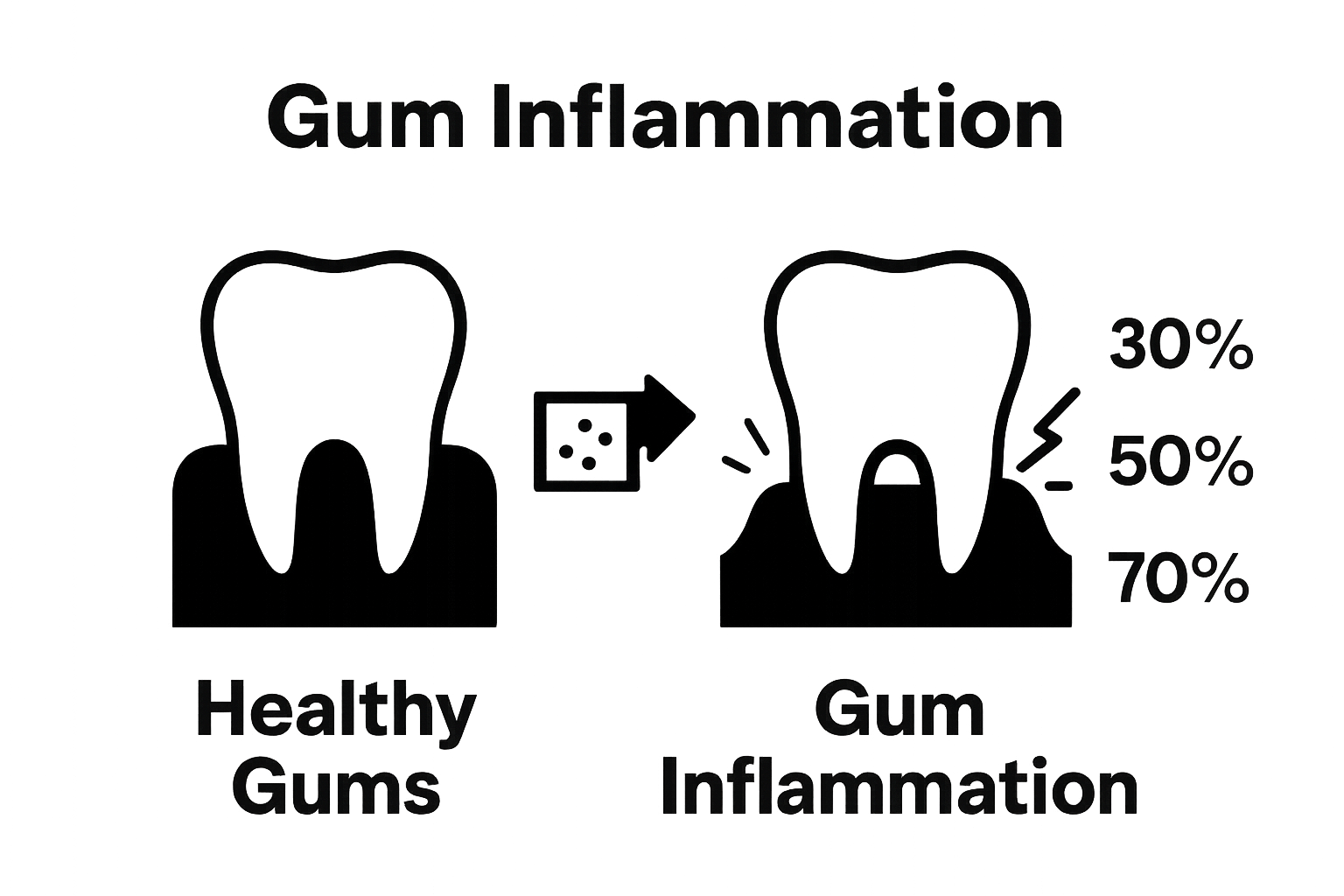 Patients with gingivitis or periodontitis might experience more sensitivity during scaling and cleaning procedures. The presence of plaque and tartar can cause gum inflammation, making the cleaning process potentially more uncomfortable.
Gum inflammation typically occurs due to:
- Poor oral hygiene practices
- Bacterial buildup along the gumline
- Hormonal changes
- Genetic predisposition
- Certain medical conditions
Psychological and Physical Factors
Pain perception during dental cleanings is not just physical but also psychological. Dental anxiety, past traumatic experiences, and general fear can heighten sensitivity and discomfort. Some patients might experience:
- Increased muscle tension
- Heightened pain perception
- Anticipatory stress
- Involuntary jaw clenching
Open communication with your dental hygienist about your concerns and previous experiences can help them adjust their approach, ensuring a more comfortable cleaning experience. Professional dental teams are trained to manage patient comfort and can recommend strategies to minimise potential pain or discomfort during routine dental cleanings.
Understanding Dental Tools and Techniques
Dental professionals employ a sophisticated array of tools and techniques designed to ensure thorough cleaning, minimal discomfort, and optimal oral health. Our comprehensive dental implants guide reflects our commitment to advanced, patient-focused dental technology.
Advanced Cleaning Instruments
Modern dental cleaning relies on precision instruments that have evolved significantly. According to MedlinePlus, these tools are engineered to address various oral health challenges with minimal invasiveness:
- Ultrasonic Scalers: Utilizing high-frequency vibrations to break down tartar
- Hand Scalers: Precision metal instruments for manual tartar removal
- Airflow Polishing Systems: Gentle water and powder combination for stain removal
- Laser Cleaning Tools: Advanced technology for deep cleaning and bacterial reduction
Technique Considerations
Dental hygienists employ nuanced techniques to minimise patient discomfort. Graduated pressure and strategic positioning are crucial in managing potential sensitivity. Professional cleaning techniques involve:
- Systematic quadrant-based cleaning approach
- Careful monitoring of patient response
- Adjusting instrument pressure based on individual tooth and gum sensitivity
- Using cooling techniques to reduce potential discomfort
Personalised Approach to Dental Cleaning
Each dental cleaning is a personalised experience. Dental professionals assess individual factors such as:
- Existing dental work
- Overall oral health condition
- Patient’s pain threshold
- Specific areas of sensitivity
- Historical dental treatment experiences
By understanding and utilising advanced tools and patient-specific techniques, dental professionals can transform what might seem like a potentially uncomfortable procedure into a manageable, precise, and relatively comfortable experience. The key lies in professional expertise, technological advancement, and a deep commitment to patient comfort.
Below is a table summarising the main dental tools and techniques used during professional teeth cleanings, outlining their purpose and typical patient sensations.
| Tool/Technique | Purpose | Usual Sensation |
|---|---|---|
| Ultrasonic scaler | Removes plaque and tartar using sound vibrations | Mild vibration/tingle |
| Hand scalers | Manually removes stubborn calculus | Scraping/pressure |
| Polishing tools | Smooths enamel and removes surface stains | Gentle brushing |
| Airflow polishing system | Cleans with water and powder for stain removal | Cool, gentle spray |
| Laser cleaning tools | Deep clean and bacterial reduction | Minimal sensation |
| Graduated pressure technique | Adjusts pressure for patient comfort | Customised comfort |
| Quadrant-based cleaning | Systematic, section-by-section cleaning approach | Varies |
How to Prepare for a Comfortable Cleaning
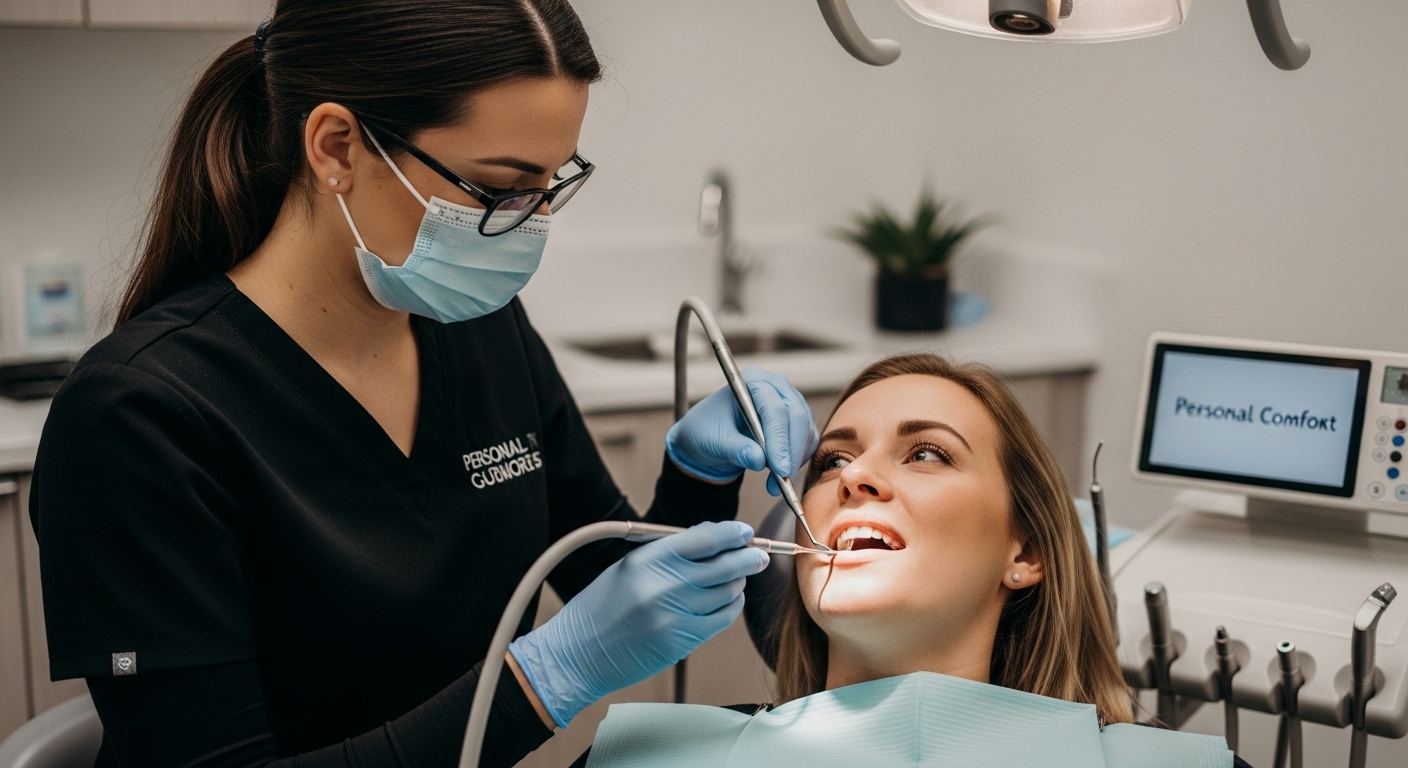
Preparing for a dental cleaning can significantly impact your overall experience and comfort level. By taking proactive steps and understanding what to expect, patients can minimise anxiety and potential discomfort during their dental appointment. The ultimate guide to finding the best dentist provides additional insights into creating a positive dental experience.
Pre-Cleaning Health Considerations
Before your dental cleaning, several health-related factors can influence your comfort and preparation. According to SA Health, patients should consider the following pre-cleaning strategies:
- Maintain regular oral hygiene routine
- Schedule cleaning when you are feeling relaxed
- Inform your dentist about any medical conditions
- Review your medical history and current medications
- Manage any existing tooth sensitivity
Communication and Anxiety Management
Open communication is crucial in managing dental cleaning anxiety. Patients can prepare by:
- Discussing previous dental experiences with the hygienist
- Explaining specific areas of concern or sensitivity
- Requesting breaks during the cleaning if needed
- Asking about available comfort options
- Practicing relaxation techniques before the appointment
Practical Preparation Techniques
Practical steps can help ensure a more comfortable dental cleaning experience:
- Brush and floss thoroughly before the appointment
- Avoid consuming extremely hot or cold foods prior to cleaning
- Arrive slightly early to acclimate to the dental environment
- Wear comfortable clothing
- Consider bringing noise-cancelling headphones or stress-relief items
By implementing these preparation strategies, patients can transform a potentially stressful dental cleaning into a manageable and even positive experience. The key is proactive communication, understanding personal comfort needs, and working collaboratively with dental professionals to create an optimal environment.
Factors Influencing Individual Experiences
Dental cleaning experiences vary widely among patients, with multiple interconnected factors determining comfort and perception.
This table presents a comparison of key factors that can influence the level of comfort or pain experienced during a dental cleaning, organised by source and examples described in the article.
| Influencing Factor | Description | Examples/Considerations |
|---|---|---|
| Individual Oral Health | Underlying issues impacting sensitivity | Sensitive teeth, receding gums, decay |
| Gum Inflammation | Swelling or irritation due to bacteria or disease | Gingivitis, periodontitis |
| Psychological Factors | Emotional/mental influences on pain perception | Anxiety, past trauma, stress |
| Physiological Variations | Biological traits affecting response | Enamel thickness, nerve density |
| Medical History | Patient-specific health and medication considerations | Chronic illness, medications |
| Preparation & Communication | Proactive steps and open discussion with practitioner | Communicating needs, relaxation |
Physiological Variations
Physiological differences significantly impact how individuals experience dental cleanings. According to Healthdirect Australia, key physiological factors include:
- Tooth enamel thickness
- Gum tissue sensitivity
- Individual pain threshold
- Nerve density in oral tissues
- Existing dental conditions
- Hormonal influences on oral sensitivity
Psychological and Emotional Factors
Psychological preparedness plays a crucial role in dental cleaning experiences. Mental state, past experiences, and emotional responses can dramatically influence perceived discomfort:
- Previous traumatic dental experiences
- Generalised anxiety disorders
- Cultural background and dental care attitudes
- Personal stress levels
- Learned responses from family or social environments
- Cognitive perception of medical procedures
Complex Interaction of Personal Factors
The experience of dental cleaning represents a complex interplay between physiological, psychological, and environmental elements. Critical considerations include:
- Genetic predisposition to oral sensitivity
- Age-related changes in oral tissues
- Overall physical health
- Current medication interactions
- Nutritional status
- Mental health conditions
By recognising these multifaceted influences, dental professionals can develop more nuanced, patient-centred approaches that acknowledge individual differences. The goal is not just clinical effectiveness, but creating a holistic, comfortable experience that respects each patient’s unique physiological and emotional landscape.
Find Real Comfort in Every Clean with Paynless Dental
Worried about teeth cleanings causing pain or feeling anxious about dental visits? Our article explored how discomfort during cleanings can stem from sensitive gums, anxiety, and specific dental conditions. At Paynless Dental, we recognise the emotional weight this concern carries for many people. We understand how important your comfort and trust are each time you visit. That is why our team prioritises gentle techniques and the latest technology to make every dental experience as stress-free as possible.
If you are ready to say goodbye to painful cleanings, you can discover how our patient-first approach puts you at ease from the moment you walk in. See how our Toongabbie dentist clinic services or extensive dental implants guide deliver both peace of mind and lasting results. You deserve dental care that is focused on your wellbeing. Take control of your oral health today by booking your next visit or learning more at Paynless Dental. Experience the difference now and ensure your next cleaning is comfortable and reassuring.
Frequently Asked Questions
Do teeth cleanings hurt?
Dental cleanings are generally not painful but may cause slight discomfort depending on individual sensitivities and oral health conditions. Communication with your dental hygienist can help ensure a comfortable experience.
What tools are used during a dental cleaning?
Dental hygienists use various tools including ultrasonic scalers, hand scalers, and polishing tools. Each of these instruments serves specific purposes to effectively clean teeth and gums.
How can I prepare for a dental cleaning appointment?
To prepare for a comfortable dental cleaning, maintain good oral hygiene, communicate any concerns to your hygienist, and consider scheduling your appointment when you feel relaxed.
Why might I experience pain during a dental cleaning?
Pain during a dental cleaning might occur due to factors such as sensitive teeth, underlying dental issues, or gum inflammation. Discussing your dental history with your hygienist can help them adjust their approach to minimise discomfort.
Recommended
- A Comprehensive Guide to Dental Implants: Types, Procedure, and Aftercare – Paynless Dental Clinic
- Pain-Free Tooth Extraction Services in Toongabbie by Experts – Paynless Dental Clinic
- The Ultimate Guide to Finding the Best Dentist in Blacktown for Your Oral Health Needs – Paynless Dental Clinic
- Trusted Toongabbie Dentist for All Your Dental Care Needs – Paynless Dental Clinic
- Quando fare la pulizia dei denti: guida semplice per tutti – dentalnetcare.it