
Did you know that almost 70 percent of pregnant women develop gingivitis during pregnancy? Hormonal shifts, morning sickness, and changing eating habits all make dental health a serious concern for expectant mothers. Without proper care, these changes can do more than harm your smile. Protecting your oral health now means lower risks for problems like gum disease, tooth decay, and even preterm birth. Learn how to keep your teeth and gums healthy through every stage of pregnancy.
Table of Contents
- Understanding Dental Health in Pregnancy
- Common Dental Issues Pregnant Women Face
- Safe Dental Treatments and Safety Guidelines
- Preventive Tips for Healthy Pregnancy Smiles
- Risks of Neglected Dental Care in Pregnancy
Key Takeaways
| Point | Details |
|---|---|
| Importance of Dental Care | Pregnant women face increased risks of dental issues due to hormonal changes, making dental health monitoring essential. |
| Common Dental Issues | Approximately 67% of pregnant women experience gingivitis, with risks of periodontitis and dental caries heightened during pregnancy. |
| Safety of Dental Treatments | Most dental treatments, including routine cleanings, are safe during pregnancy; however, it’s vital to inform your dentist of your pregnancy status. |
| Preventive Strategies | Maintaining good oral hygiene, such as brushing with fluoride toothpaste and rinsing after vomiting, is crucial for protecting dental health during pregnancy. |
Understanding Dental Health in Pregnancy
Pregnancy triggers significant hormonal changes that can dramatically impact your oral health, making dental care during this critical period more important than ever. According to pregnancybirthbaby.org.au, women experience increased risks of dental problems due to hormonal fluctuations and pregnancy-related side effects.
The most common dental challenges during pregnancy include increased mouth acidity, potential tooth enamel damage from frequent vomiting, and gum inflammation. Teeth.org.au highlights that hormonal shifts and changes in eating habits can elevate the risk of dental complications both during and after pregnancy. These transformations can lead to conditions like pregnancy gingivitis, characterised by swollen and bleeding gums.
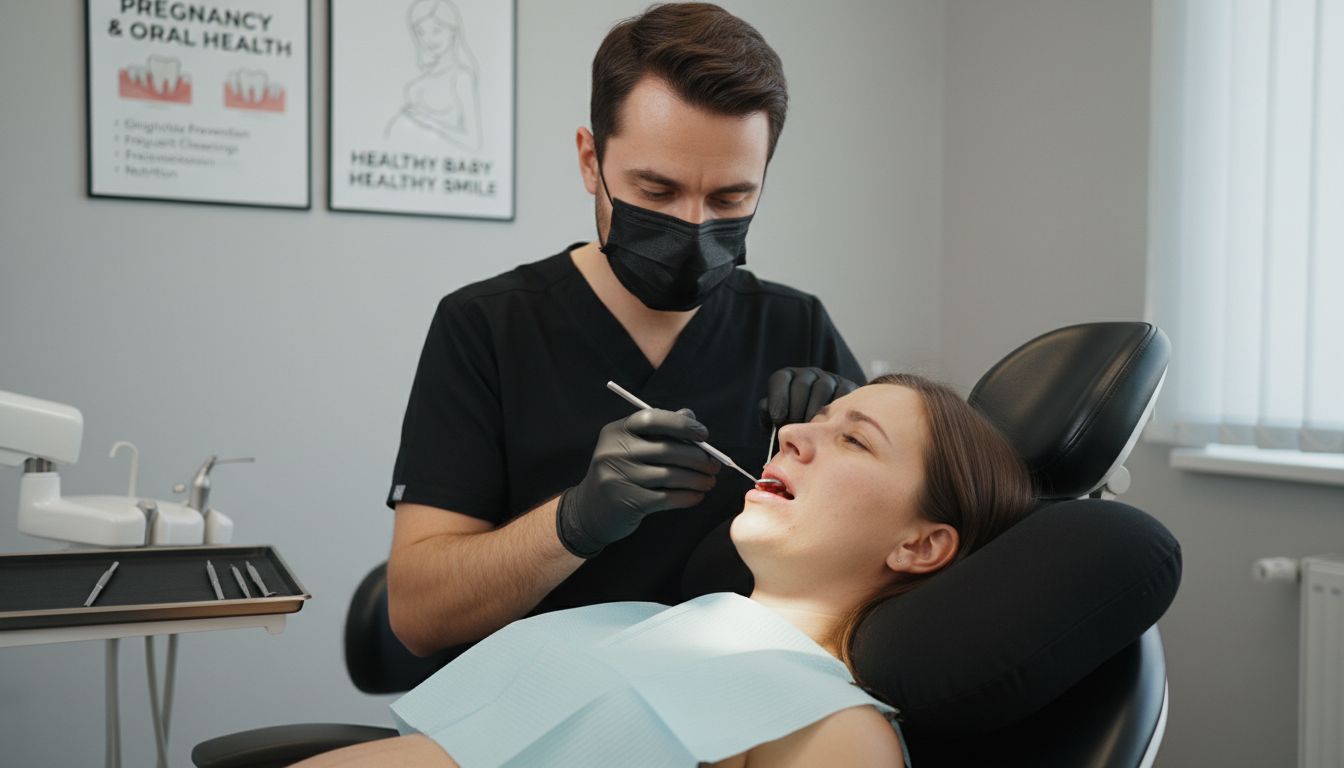
To protect your oral health during pregnancy, dental professionals recommend several key strategies:
- Schedule a pre-pregnancy or early pregnancy dental consultation
- Maintain rigorous oral hygiene practices
- Use a soft-bristled toothbrush to prevent gum irritation
- Rinse your mouth after vomiting to neutralise stomach acid
- Consider additional calcium and vitamin D intake for dental health
By understanding these potential risks and taking proactive measures, expectant mothers can safeguard their dental wellness throughout this transformative life stage. Regular check-ups with our comprehensive dental guide to Blacktown dentists can provide personalised advice tailored to your specific needs.
Common Dental Issues Pregnant Women Face
Pregnancy can significantly transform a woman’s oral health, introducing a range of dental challenges that require careful attention and management. According to dhsv.org.au, approximately 67% of pregnant women experience gingivitis, a condition characterised by swollen and bleeding gums due to hormonal changes.
The most prevalent dental issues during pregnancy include:
Here’s a summary of the most common dental issues faced by pregnant women:
| Dental Issue | Prevalence Among Pregnant Women | Key Symptoms | Main Causes |
|---|---|---|---|
| Gingivitis | ~67% | Swollen gums Bleeding gums | Hormonal changes Increased bacteria |
| Periodontitis | ~40% | Gum recession Loose teeth | Untreated gingivitis Bacterial infection |
| Dental Caries | Increased risk | Tooth decay Discomfort | Sugary cravings Morning sickness |
| Dental Erosion | Not stated | Enamel loss Sensitivity | Vomiting Acid reflux |
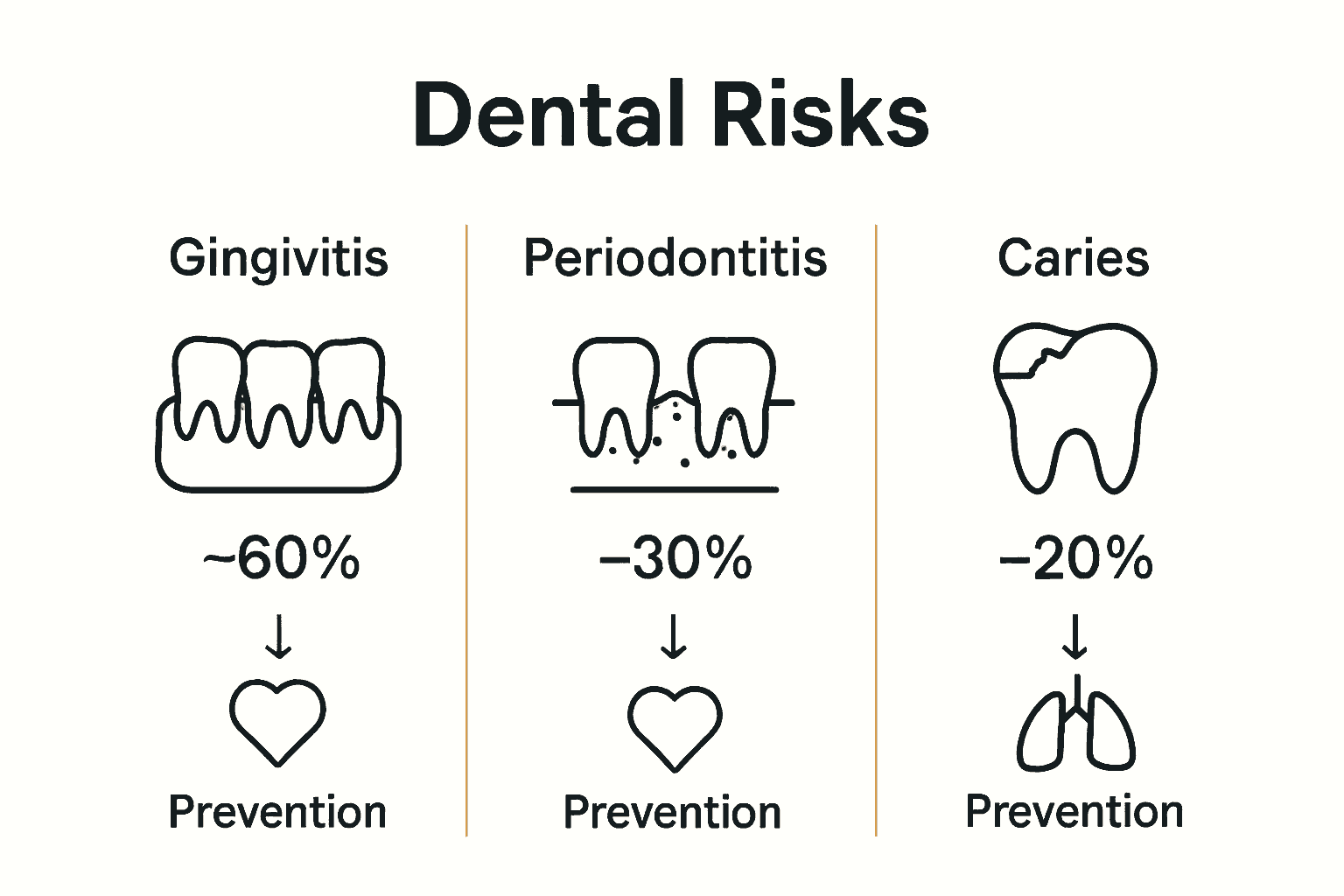
- Gingivitis: Inflammation of gum tissues affecting nearly two-thirds of expectant mothers
- Periodontitis: A more severe gum disease impacting around 40% of pregnant women
- Dental Caries: Increased risk of tooth decay
- Dental Erosion: Enamel damage from frequent vomiting and acid reflux
Teeth.org.au emphasises that hormonal fluctuations make gums more sensitive to bacterial growth, while pregnancy-related vomiting and reflux can expose teeth to harmful stomach acids. Sweet food cravings during pregnancy can further elevate the risk of tooth decay, creating a complex oral health landscape for expectant mothers.
Moreover, these dental complications aren’t just cosmetic concerns. Research indicates potential serious health implications, with periodontitis linked to increased risks of preterm birth, low birth weight, and preeclampsia. For comprehensive dental care during this critical period, consider exploring our guide to dental implants to understand advanced treatment options and preventive strategies.
Safe Dental Treatments and Safety Guidelines
Prenatal dental care requires careful consideration and informed decision-making. According to Teeth.org.au, dental treatment is generally safe during pregnancy, with key precautions to ensure both maternal and foetal health. Communicating your pregnancy status to your dentist is the critical first step in receiving appropriate and safe dental care.
Key safety guidelines for dental treatments during pregnancy include:
- Inform your dentist about your pregnancy immediately
- Schedule routine check-ups and cleanings
- Prioritise dental visits during the second trimester
- Use local anaesthetic with professional guidance
- Postpone non-essential complex procedures
SESLHD Health confirms that most dental work can be conducted without increasing risk, particularly routine treatments like cleaning and basic procedures. Dental X-rays can be performed safely with proper protective measures such as lead aprons to minimise radiation exposure.
While most dental treatments are considered safe, certain procedures and medications should be carefully evaluated, especially during the first trimester. For comprehensive guidance tailored to your specific needs, consider consulting our trusted Toongabbie dentist services to ensure a personalised approach to your prenatal dental care.
Preventive Tips for Healthy Pregnancy Smiles
Maintaining optimal oral health during pregnancy requires a strategic and proactive approach. Health NSW recommends a comprehensive oral care routine that goes beyond standard dental hygiene practices, emphasising the unique challenges expectant mothers face.
Key preventive strategies for maintaining a healthy smile during pregnancy include:
- Brush twice daily with fluoride toothpaste
- Floss consistently to remove interdental plaque
- Consume a nutrient-rich diet with calcium and vitamins
- Limit sugary foods and acidic drinks
- Stay hydrated to support saliva production
Dental SA highlights a crucial tip for managing morning sickness: always rinse your mouth with water after vomiting and wait 30 minutes before brushing to protect tooth enamel from acid erosion. Your diet plays a significant role in oral health, so focus on vegetables, lean proteins, and dairy while avoiding frequent sugary snacks.
For personalised guidance tailored to your specific dental needs during pregnancy, consider exploring our no gaps dental guide to understand comprehensive preventive care strategies that support both maternal and oral health.
Risks of Neglected Dental Care in Pregnancy
Dental health during pregnancy is far more complex than many expectant mothers realise. Queensland Health emphasises that neglecting dental care can lead to significant health complications that extend beyond oral hygiene, potentially impacting both maternal and foetal well-being.
The most critical risks of overlooking dental care during pregnancy include:
- Increased risk of premature birth
- Higher likelihood of low birth weight
- Progression of gum disease
- Accelerated tooth decay
- Potential systemic health complications
DHSV warns that hormonal changes during pregnancy can dramatically accelerate oral health deterioration. The surge in hormones like progesterone and oestrogen makes gum tissues more susceptible to bacterial infections, creating an environment where periodontal disease can rapidly develop if left unchecked.
These potential health risks underscore the importance of proactive dental care. For expectant mothers seeking financial support for necessary treatments, our guide on superannuation for dental care can provide valuable insights into managing dental health expenses during this crucial period.
Ensure a Healthy Smile for You and Your Baby with Paynless Dental
Pregnancy can bring unique dental challenges like sensitivity, gum inflammation, and enamel erosion. These issues require gentle, specialised care to protect both you and your baby. At Paynless Dental, we understand the importance of maintaining excellent oral health during this important time. Our expert team offers tailored solutions from routine check-ups to advanced treatments such as dental implants and root canal therapy designed with your comfort and safety in mind.
Don’t wait until dental problems affect your well-being or your little one’s health. Experience compassionate care with advanced technology at our Toongabbie or North Ryde clinics. Take control of your oral health journey today by visiting Paynless Dental and booking a consultation tailored specifically for expectant mothers. Your smile and your baby deserve the best care now.
Frequently Asked Questions
What dental issues are common during pregnancy?
Pregnant women often experience dental issues such as gingivitis, which affects about 67% of expectant mothers, periodontitis, an advanced gum disease affecting around 40%, increased risk of dental caries due to sugary cravings, and dental erosion caused by frequent vomiting and acid reflux.
How can I maintain oral health during pregnancy?
To maintain optimal oral health during pregnancy, brush twice daily with fluoride toothpaste, floss regularly, consume a nutrient-rich diet, limit sugary foods and acidic drinks, and stay hydrated to support saliva production. Rinse your mouth with water after vomiting and wait 30 minutes before brushing to protect tooth enamel.
Is dental treatment safe during pregnancy?
Yes, dental treatment is generally safe during pregnancy. It’s essential to inform your dentist about your pregnancy, schedule routine check-ups during the second trimester, and consider postponing non-essential complex procedures until after childbirth.
What are the risks of neglecting dental care during pregnancy?
Neglecting dental care during pregnancy can lead to significant health risks for both mother and baby, including increased risk of premature birth, low birth weight, progression of gum disease, accelerated tooth decay, and potential systemic health complications.
Recommended
- The Ultimate Guide to Finding the Best Dentist in Blacktown for Your Oral Health Needs – Paynless Dental Clinic
- A Comprehensive Guide to Dental Implants: Types, Procedure, and Aftercare – Paynless Dental Clinic
- Early Release Of Super For Dental Work
- No Gaps Dental: Unlocking the Secrets to a Perfect Smile – Paynless Dental Clinic