
Every parent faces that stressful moment when a child’s tooth pain interrupts daily life. In many australian households across Western Sydney, understanding dental conditions like cavities and abscesses is the first step toward peace of mind and good health. With over one in three children experiencing untreated dental decay in Australia, knowing the difference between these issues helps families respond quickly, prevent serious complications, and make confident choices for their child’s wellbeing.
Table of Contents
- What Is A Cavity And An Abscess?
- Types And Stages: Cavity Versus Abscess
- Symptoms And Warning Signs To Watch
- Risks If Untreated And Complications
- Treatment Options And Prevention In Sydney
Key Takeaways
| Point | Details |
|---|---|
| Cavities and Abscesses are Different | Cavities are early stages of tooth decay, while abscesses indicate advanced infection requiring urgent treatment. |
| Prevention is Key | Maintaining proper oral hygiene, including regular brushing and dental check-ups, can prevent both conditions. |
| Recognise Early Symptoms | Early signs like tooth sensitivity and visible holes can indicate a cavity, prompting timely professional care. |
| Seek Immediate Care for Severe Symptoms | Severe pain, swelling, or systemic symptoms should be addressed immediately to avoid serious health complications. |
What Is a Cavity and an Abscess?
When it comes to dental health, understanding the difference between a cavity and an abscess is crucial for Western Sydney families. These two conditions might sound similar, but they represent distinct stages of tooth damage that require specific approaches to treatment and prevention.
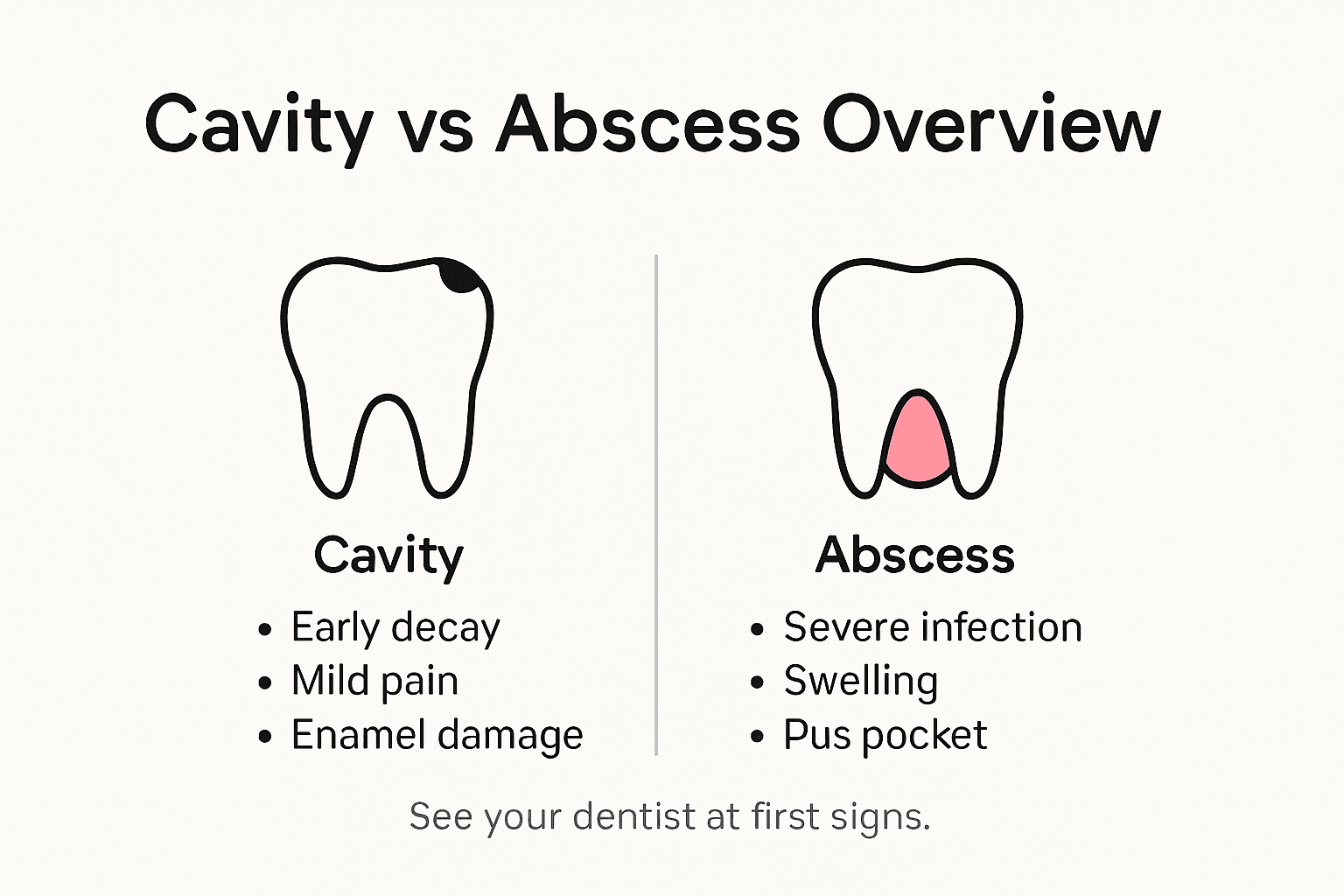
A cavity occurs when tooth decay damages the hard enamel of your tooth, exposing the softer dentine underneath. Think of it like a small hole forming in your tooth’s protective outer layer. This damage typically develops from prolonged exposure to sugary foods, poor oral hygiene, and bacteria that produce acid. Over time, the cavity can grow deeper, potentially reaching the tooth’s inner pulp if left untreated.
An abscess, by contrast, is a more serious condition representing an advanced stage of infection. It represents a collection of pus caused by bacterial infection that typically develops when a cavity is ignored and the infection spreads beyond the tooth into surrounding tissues or bone. Imagine a cavity as a small crack in a wall, while an abscess is like that crack turning into a full structural failure with dangerous complications.
Both cavities and abscesses are preventable with proper dental care, including regular brushing, flossing, and routine check-ups with your local dental professional. Understanding these conditions helps Western Sydney residents take proactive steps to protect their oral health.
Here’s how cavities and abscesses differ and progress:
| Aspect | Cavity | Abscess |
|---|---|---|
| Stage | Early, localised decay | Advanced, spreading infection |
| Main Cause | Bacterial acid demineralising enamel | Untreated cavity allowing bacterial spread |
| Symptoms | Sensitivity, mild pain, visible hole | Severe pain, swelling, possible fever |
| Potential Outcome | Restorable with filling if detected early | May need surgical treatment, risk of sepsis |
Pro tip: Schedule a dental check-up every six months to catch and treat cavities before they develop into more serious abscesses.
Types and Stages: Cavity Versus Abscess
Dental health can be complex, especially when understanding the nuanced progression of tooth damage. Western Sydney residents need to recognise the distinct stages and types of cavities and abscesses to seek timely intervention and prevent serious complications.
Dental cavities progress through several critical stages that represent increasing levels of tooth damage. The initial stage involves enamel demineralisation, where microscopic mineral loss occurs without visible damage. As bacterial activity continues, the cavity advances to dentine involvement, creating a noticeable hole. If left untreated, the infection can penetrate the tooth’s pulp, causing significant pain and potential nerve damage.
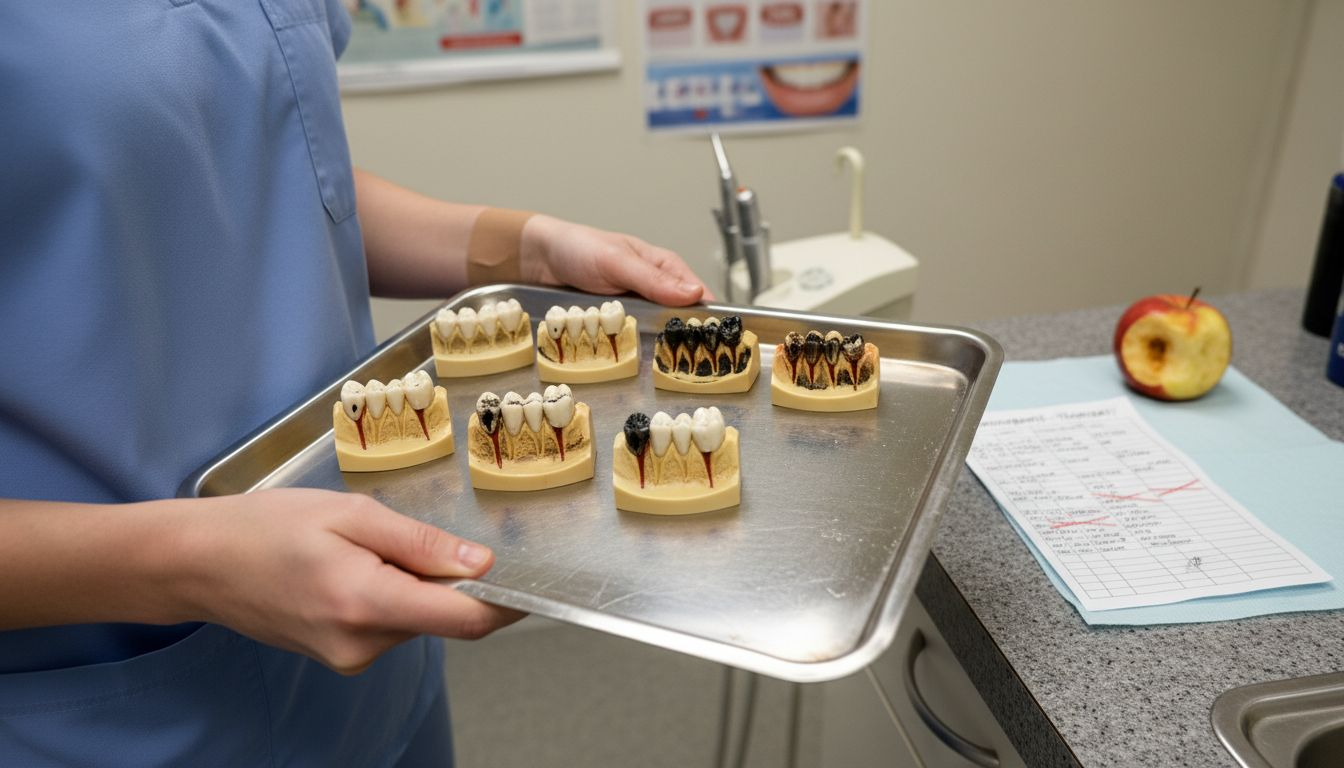
Abscesses represent a more advanced stage of dental infection, typically developing when earlier cavity stages are ignored. They manifest in different forms: periapical abscesses form at the tooth’s root, while periodontal abscesses develop in the surrounding gum tissues. These painful infections can lead to serious complications, including facial swelling and potential systemic health risks if bacteria enter the bloodstream.
Understanding these stages helps Western Sydney families recognise early warning signs and seek professional dental care before minor issues escalate into major health concerns. Each progression represents increasing complexity and potential long-term damage to oral health.
Pro tip: Monitor any tooth sensitivity or discoloration, as these can be early indicators of cavity progression requiring professional assessment.
Symptoms and Warning Signs to Watch
Recognising the early signs of dental problems can be the difference between a simple treatment and a complex medical emergency. For Western Sydney residents, understanding the subtle yet critical symptoms of cavities and abscesses is crucial for maintaining optimal oral health.
Early symptoms of dental infections can manifest in various ways, with key warning signs including:
- Persistent tooth pain that doesn’t subside
- Increased sensitivity to hot or cold temperatures
- Visible holes or dark spots on teeth
- Swelling around the gum line or face
- Unexplained bad breath or unpleasant taste
Serious warning signs requiring immediate medical attention include systemic symptoms such as:
- High fever
- Significant facial swelling
- Difficulty swallowing or breathing
- Rapid heart rate
- Spreading redness or warmth around the affected area
These symptoms can indicate that a simple cavity has progressed to a more serious infection that could potentially spread beyond the oral cavity. Western Sydney families should never ignore persistent dental discomfort, as early intervention can prevent more complex and painful treatments.
Pro tip: Keep a symptom diary if you experience recurring dental pain, noting intensity, duration, and any triggers to help your dentist make an accurate diagnosis.
Risks if Untreated and Complications
Dental infections are not just a localised problem but can escalate into life-threatening conditions if ignored. Western Sydney residents must understand the severe potential consequences of untreated cavities and abscesses.
Untreated dental infections can lead to catastrophic systemic health risks, including:
- Airway obstruction from severe facial swelling
- Potential sepsis as infection enters the bloodstream
- Risk of brain abscess from spreading bacterial infection
- Potential heart complications from unchecked bacterial growth
- Rare but possible risk of fatal infection
Long-term complications can permanently damage oral and overall health, potentially resulting in:
- Complete tooth loss
- Permanent facial bone damage
- Chronic infection
- Compromised immune system function
- Potential surgical interventions
These risks underscore why prompt dental care is crucial. What might seem like a minor toothache could quickly develop into a serious medical emergency requiring hospitalisation. Western Sydney families should never underestimate the importance of regular dental check-ups and immediate treatment for any signs of dental infection.
Pro tip: If you experience persistent dental pain or swelling, seek professional medical advice within 24 hours to prevent potential serious complications.
Treatment Options and Prevention in Sydney
Managing dental health in Western Sydney requires a comprehensive approach that combines professional treatment and proactive prevention strategies. Understanding the right interventions can make a significant difference in maintaining long-term oral wellness.
Treatment for dental abscesses often involves precise medical procedures, which may include:
- Incision and drainage under local anaesthesia
- Prescription of targeted antibiotics
- Potential surgical intervention for complex cases
- Professional wound management and follow-up care
- Pain management techniques
Preventative strategies play a crucial role in maintaining dental health across Sydney, including:
- Regular brushing with fluoride toothpaste
- Limiting sugar and acidic food intake
- Scheduling routine dental check-ups
- Using appropriate dental hygiene tools
- Implementing early intervention techniques
Local Sydney dental clinics like Paynless Dental offer comprehensive care tailored to individual needs, combining advanced treatment options with personalised prevention strategies. The key is early detection and consistent oral care, which can significantly reduce the risk of serious dental complications.
Pro tip: Invest in an electric toothbrush with pressure sensors to ensure thorough yet gentle cleaning and reduce the risk of enamel damage.
Below is a quick summary of treatment and prevention approaches:
| Approach | Treatment Focus | Prevention Focus | Long-Term Benefit |
|---|---|---|---|
| Professional Dental Care | Address infection, restore tooth | Early detection, routine cleaning | Reduced risk of severe complications |
| Personal Oral Hygiene | Alleviate acute symptoms | Maintain enamel and gum health | Fewer cavities and abscesses overall |
Protect Your Sydney Smile From Cavities and Abscesses with Expert Care
Understanding the difference between a cavity and an abscess is vital to avoid escalating pain and complex dental issues. If you are experiencing persistent tooth sensitivity or swelling the risk of advanced infections affecting your overall health is real. At Paynless Dental, we recognise these challenges and offer tailored treatments such as Root Canal Treatment and Oral Surgery to effectively address infections before they worsen.
Do not wait for your dental discomfort to turn into an emergency. Schedule a consultation at one of our convenient Sydney clinics to benefit from premium care using advanced technology designed to restore and preserve your natural smile. Visit Paynless Dental now to secure your appointment and take control of your dental health today.
Frequently Asked Questions
What is the difference between a cavity and an abscess?
A cavity is an early stage of tooth decay that results in a small hole in the enamel, while an abscess is a more serious condition caused by an untreated cavity, leading to a collection of pus and infection in surrounding tissues.
What are common symptoms of cavities?
Common symptoms of cavities include sensitivity to hot or cold, mild tooth pain, visible holes or dark spots on teeth, and unpleasant tastes in the mouth.
What happens if a cavity is left untreated?
If left untreated, a cavity can progress to an abscess, causing severe pain, swelling, and potentially leading to systemic health complications such as sepsis or airway obstruction.
How can I prevent cavities and abscesses?
Preventing cavities and abscesses involves regular brushing with fluoride toothpaste, flossing, reducing sugar intake, and scheduling routine dental check-ups for early detection and treatment.
Recommended
- Trusted Toongabbie Dentist for All Your Dental Care Needs – Paynless Dental Clinic
- Pain-Free Tooth Extraction Services in Toongabbie by Experts – Paynless Dental Clinic
- Toongabbie Dentist Clinic – Paynless Dental Clinic
- The Ultimate Guide to Finding the Best Dentist in Blacktown for Your Oral Health Needs – Paynless Dental Clinic
- What happens if there is decay under a crown? – Albania Dental Implants