
More than half of Australian adults experience some form of gum disease, underscoring how vital good daily habits are for a healthy smile. Consistent brushing and flossing do more than keep teeth clean; they protect against discomfort and serious health problems that can affect your whole body. Understanding exactly how these techniques work makes it easier to maintain better oral hygiene and set the foundation for long-term wellness.
Table of Contents
- Brushing And Flossing Defined And Explained
- Key Benefits Of Brushing Versus Flossing
- Proper Techniques For Brushing And Flossing
- Risks Of Neglecting Brushing Or Flossing
- Expert Tips For Optimal Oral Hygiene
Key Takeaways
| Point | Details |
|---|---|
| Brushing and Flossing Are Essential | Regular brushing and flossing are vital for maintaining oral health and preventing dental issues. Combined, they offer comprehensive protection against plaque build-up and gum disease. |
| Proper Techniques Matter | Mastering the correct techniques for both brushing and flossing enhances their effectiveness, ensuring thorough cleaning of teeth and gums. |
| Neglect Leads to Health Risks | Ignoring oral hygiene can result in serious health consequences, including tooth decay, gum disease, and potential systemic health issues. |
| Consistency Is Key | Establishing a daily routine that prioritises both practices significantly contributes to long-term oral health and a bright smile. |
Brushing and flossing defined and explained
Oral hygiene revolves around two fundamental practices: brushing and flossing. These techniques are critical for maintaining healthy teeth and preventing dental problems. When performed correctly, teeth cleaning techniques can significantly reduce the risk of tooth decay, gum disease, and other oral health issues.
Brushing involves using a soft-bristled toothbrush and fluoride toothpaste to systematically clean all tooth surfaces. The goal is to remove dental plaque, food particles, and bacteria that accumulate throughout the day. Proper brushing requires gentle circular motions, covering the front, back, and chewing surfaces of each tooth. Most dental professionals recommend brushing twice daily for at least two minutes to ensure thorough cleaning.
Flossing complements brushing by targeting areas a toothbrush cannot reach. This technique involves using a thin, flexible thread to clean between teeth and just beneath the gumline, where plaque and food debris tend to accumulate. Regular flossing helps prevent cavities, reduces bad breath, and supports gum health by removing trapped particles that could lead to bacterial growth.
Key Differences Between Brushing and Flossing:
- Brushing cleans tooth surfaces and removes surface-level plaque
- Flossing targets hard-to-reach spaces between teeth
- Both techniques are essential for comprehensive oral hygiene
- Combining both practices provides maximum protection against dental problems
Key benefits of brushing versus flossing
Brushing and flossing each play a unique and critical role in maintaining optimal oral health. Dental cleaning techniques are essential for preventing plaque buildup, reducing the risk of tooth decay, and supporting overall systemic health. While both practices are important, they address different aspects of oral hygiene.
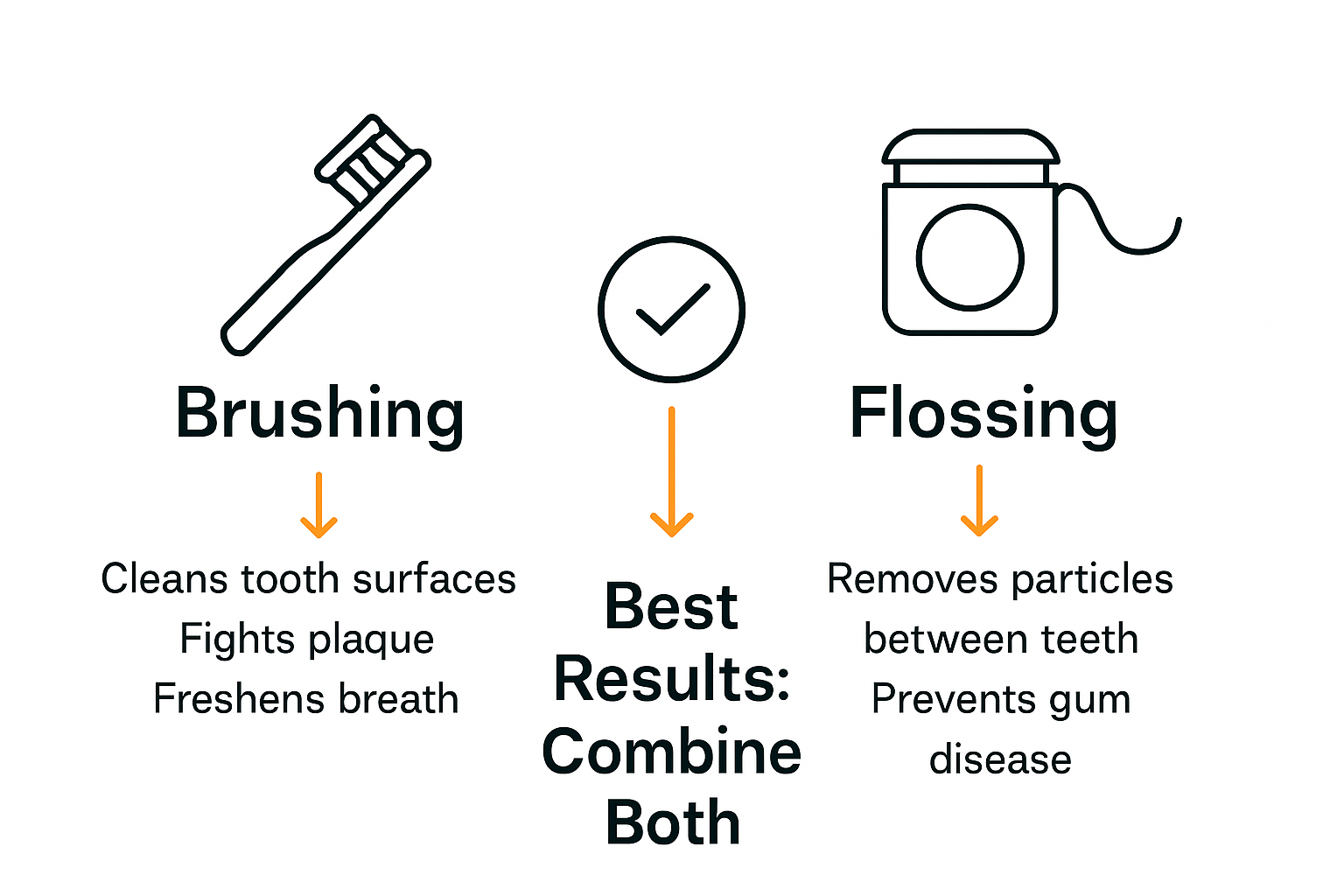
Brushing provides comprehensive surface cleaning by removing plaque, food particles, and bacteria from tooth enamel. It freshens breath, helps prevent cavities, and allows for the application of fluoride toothpaste. Most dental professionals recommend using a soft-bristled toothbrush with gentle circular motions to effectively clean the front, back, and chewing surfaces of teeth. Brushing twice daily helps maintain a clean oral environment and supports long-term dental health.
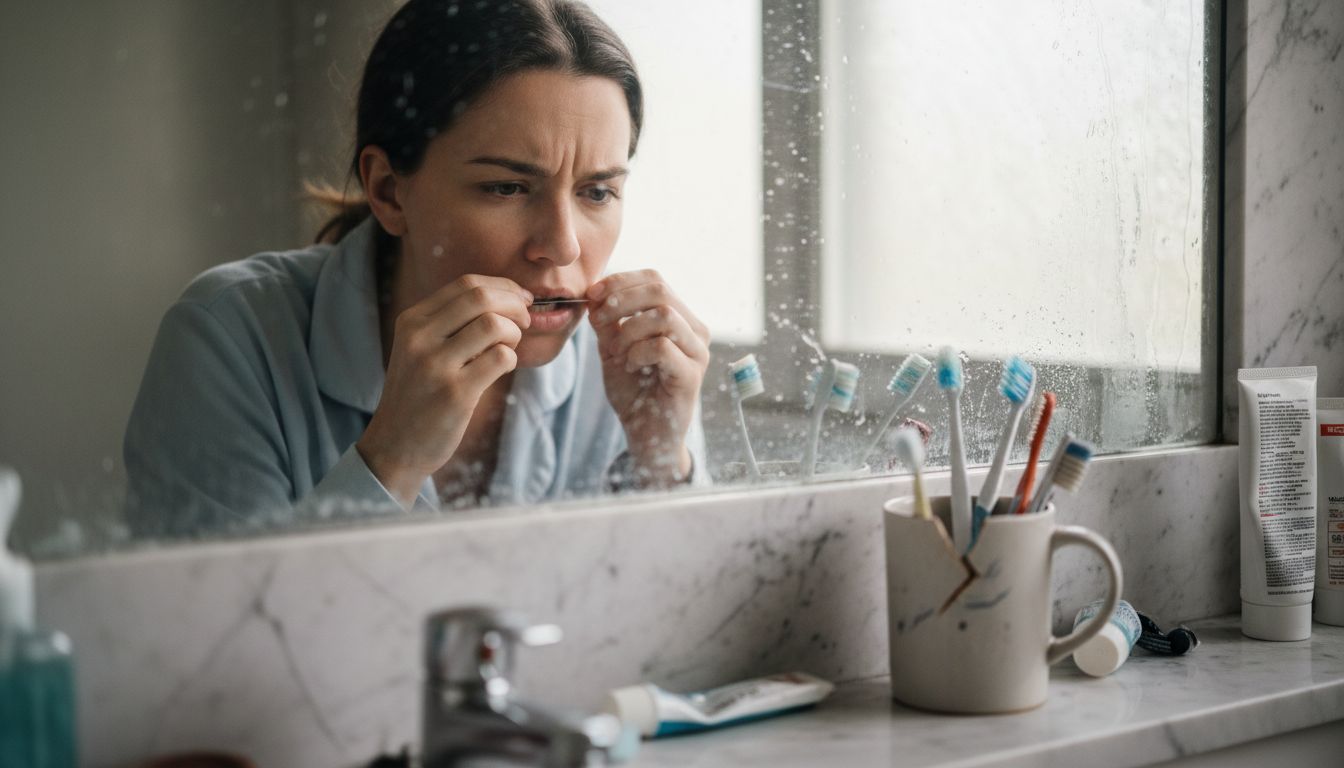
Flossing, in contrast, targets the critical spaces between teeth and beneath the gumline that toothbrushes cannot reach. Interdental cleaning is crucial for removing trapped food particles and preventing plaque accumulation in hard-to-clean areas. Regular flossing reduces the risk of gum disease, helps prevent bad breath, and has been linked to broader health benefits, including potential reductions in cardiovascular risks.
Comparative Benefits:
Brushing Benefits:
- Cleans tooth surfaces
- Applies fluoride protection
- Freshens breath
- Removes surface-level plaque
Flossing Benefits:
- Reaches between teeth
- Removes hidden food debris
- Prevents gum disease
- Supports overall oral health
Pro Tip: The most effective oral hygiene routine combines both brushing and flossing, providing comprehensive protection for your teeth and gums.
Proper techniques for brushing and flossing
Mastering the correct techniques for brushing and flossing is essential for maintaining optimal oral hygiene. Dental care techniques require precision, patience, and consistent practice to effectively remove plaque and prevent tooth decay.
Brushing demands careful attention to detail. Start by selecting a soft-bristled toothbrush and using a pea-sized amount of fluoride toothpaste. Position the toothbrush at a 45-degree angle to the gumline, using gentle circular motions that cover all tooth surfaces. Systematically clean the outer, inner, and chewing surfaces of each tooth, ensuring you spend at least two minutes brushing. Pay special attention to hard-to-reach areas like back molars and along the gumline, where plaque tends to accumulate.
Flossing requires equally meticulous technique. Wrap approximately 45 centimetres of floss around your middle fingers, leaving a small section to work with. Gently slide the floss between teeth using a smooth, careful motion, curving it into a ‘C’ shape around each tooth. Move the floss up and down, ensuring you clean beneath the gumline without causing irritation. Use a fresh section of floss for each tooth to prevent spreading bacteria.
Step-by-Step Brushing Technique:
- Use soft-bristled toothbrush
- Apply pea-sized fluoride toothpaste
- Hold brush at 45-degree angle to gums
- Use gentle circular motions
- Clean all tooth surfaces
- Brush for minimum two minutes
Step-by-Step Flossing Technique:
- Use 45cm of dental floss
- Wrap around middle fingers
- Slide gently between teeth
- Curve floss in ‘C’ shape around each tooth
- Move floss up and down
- Use fresh floss section per tooth
Pro Tip: Consistency is key. Develop a routine of brushing twice daily and flossing once daily to maintain excellent oral health.
Risks of neglecting brushing or flossing
Neglecting oral hygiene practices can have far-reaching consequences that extend well beyond simple tooth discomfort. Dental health risks associated with poor oral care can impact not just your mouth, but your entire body’s overall health and wellbeing.
When brushing is consistently skipped, plaque quickly accumulates on tooth surfaces, creating an ideal environment for harmful bacteria to thrive. This buildup leads to tooth decay, cavities, and enamel erosion. Over time, untreated plaque can harden into tartar, which cannot be removed by regular brushing and requires professional dental intervention. The bacterial growth can also trigger gingivitis, an early stage of gum disease characterised by inflammation, bleeding, and sensitivity.
Similarly, avoiding flossing creates significant risks for interdental health. Without regular flossing, food particles and bacteria accumulate in the tight spaces between teeth where toothbrushes cannot reach. This can rapidly progress to periodontitis, a severe gum infection that damages soft tissue and can ultimately destroy the bone supporting your teeth. Chronic gum infections have been linked to broader systemic health issues, including increased risks of heart disease, diabetes, and respiratory complications.
Potential Health Consequences of Poor Oral Hygiene:
- Tooth decay and cavities
- Gum inflammation and bleeding
- Periodontitis
- Tooth loss
- Increased risk of systemic health problems
- Chronic bad breath
- Reduced overall immune function
Warning Signs: Watch for persistent bad breath, bleeding gums, tooth sensitivity, and visible plaque buildup as critical indicators that your oral hygiene routine needs immediate attention.
Expert tips for optimal oral hygiene
Achieving exceptional oral health requires more than just occasional brushing and sporadic flossing. Dental cleaning recommendations from professional organisations emphasise the importance of consistent, thorough oral care techniques that protect your teeth and gums from potential damage.
Establish a robust daily routine that prioritises both brushing and flossing. Use a soft-bristled toothbrush with fluoride toothpaste, holding the brush at a 45-degree angle to your gums. Brush for a minimum of two minutes, using gentle circular motions and ensuring you clean all tooth surfaces thoroughly. Replace your toothbrush every three to four months, or sooner if the bristles become frayed, to maintain optimal cleaning effectiveness.
Comprehensive oral hygiene strategies extend beyond basic cleaning. Incorporate interdental cleaning into your daily routine, using floss or interdental brushes to remove plaque and food particles from spaces between teeth. Consider using an antiseptic mouthwash to reduce bacterial growth and freshen breath. Regular dental check-ups every six months can help identify and address potential issues before they become serious problems.
Expert Oral Hygiene Checklist:
- Brush twice daily for two minutes
- Use soft-bristled toothbrush
- Apply fluoride toothpaste
- Floss at least once daily
- Use interdental cleaning tools
- Rinse with antiseptic mouthwash
- Replace toothbrush every 3-4 months
- Schedule regular dental check-ups
Pro Tip: Consistency is crucial. Developing and maintaining a disciplined oral hygiene routine is the most effective way to prevent dental problems and maintain a healthy smile.
Take Control of Your Oral Health with Paynless Dental
Brushing and flossing are the foundation of great oral hygiene but sometimes professional support is essential to address complex dental needs or persistent issues. If you have concerns about plaque buildup between teeth or want expert guidance on improving your brushing and flossing routine, Paynless Dental offers advanced solutions tailored for your comfort and long-term health. Whether you need preventative care or specialised treatments like root canal therapy or crowns and bridges, our experienced team is ready to help.
Don’t let oral health challenges escalate. Experience premium dental care across our convenient locations in Toongabbie and North Ryde. Take the first step to a healthier smile today by visiting Paynless Dental and booking a consultation. Your teeth and gums deserve expert care that complements your daily brushing and flossing routine.
Frequently Asked Questions
What is the main difference between brushing and flossing?
Brushing primarily cleans the surfaces of the teeth to remove plaque and bacteria, while flossing targets the spaces between teeth and beneath the gumline that toothbrushes cannot reach.
How often should I brush and floss my teeth?
Most dental professionals recommend brushing twice a day for at least two minutes and flossing at least once a day to ensure optimal oral hygiene.
Can I skip flossing if I brush my teeth regularly?
No, skipping flossing can lead to plaque and food particle accumulation between teeth, increasing the risk of gum disease and tooth decay that brushing alone cannot prevent.
What are the risks associated with neglecting brushing or flossing?
Neglecting oral hygiene can lead to tooth decay, gum disease, cavities, bad breath, and even systemic health issues, such as cardiovascular problems if poor oral health persists.
Recommended
- The Ultimate Guide to Finding the Best Dentist in Blacktown for Your Oral Health Needs – Paynless Dental Clinic
- Top Dental Care in Toongabbie: Routine, Cosmetic & Emergency Services
- The Ultimate Guide to Dental Veneers: Transform Your Smile with Veneers – Paynless Dental Clinic
- Trusted Toongabbie Dentist for All Your Dental Care Needs – Paynless Dental Clinic
- Scrub or Cleanser First? Tips and Recommendations – Claribelskincare.com